

Sky-Watcher Heritage 130P Review – Is It Worth It for Beginners?
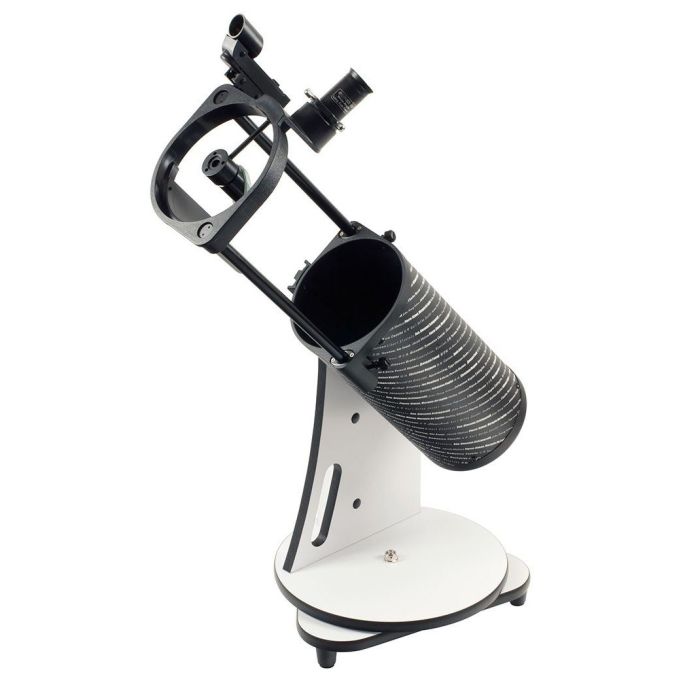
If you’re stepping into amateur astronomy and looking for a budget-friendly, portable telescope that offers a genuine Dobsonian experience, the Sky-Watcher Heritage 130P is a popular choice. This tabletop Dobsonian promises ease of use and decent optical performance without breaking the bank. But does it truly deliver for beginners, or are there compromises that might frustrate new stargazers? This review dives into the practical realities of owning and using the Heritage 130P, helping you decide if it’s the right starter telescope for your night sky adventures.
Quick Verdict
The Sky-Watcher Heritage 130P stands out as an accessible entry-level Dobsonian telescope, combining affordability with a compact, collapsible design that appeals to beginners prioritizing portability. It offers respectable views of planetary and some deep-sky objects, making it a solid first scope for casual observers. However, its flextube design requires regular collimation and is vulnerable to dew and stray light, which can impact the viewing experience. Stock eyepieces are serviceable but upgrading them is almost essential to unlock the scope’s full potential.
In short, if you want a lightweight, budget-conscious Dobsonian for quick setup and learning the ropes, the Heritage 130P fits well. If you seek a more robust, maintenance-free scope or higher-end optics from the start, looking elsewhere might save frustration.
What This Product Does Well
The Heritage 130P’s most compelling strength is its affordable price point. At around $82.50, it opens the door to Dobsonian-style stargazing without a significant upfront investment. For many beginners, this means they can explore astronomy without feeling locked into an expensive hobby prematurely.
Its compact flextube design is another highlight. The collapsible tube reduces storage space and makes transport easier, especially compared to bulkier rigid tube Dobsonians. This design suits users who want a telescope they can quickly set up on a stable tabletop and pack away just as fast, which is ideal for casual backyard sessions or trips to dark sky spots.
Despite the modest 130mm aperture, the scope delivers surprisingly good views of planets like Jupiter and Saturn, as well as brighter deep-sky objects such as the Orion Nebula and the Andromeda Galaxy. The Dobsonian mount offers smooth manual tracking and intuitive pointing, making it easier for beginners to learn the night sky without complicated controls.
- Good entry-level aperture for planetary and bright deep-sky viewing
- Lightweight and portable flextube design
- Simple Dobsonian mount encourages hands-on learning
- Very reasonable price for a 130mm Newtonian
The Compromises Buyers Need to Understand
While the Heritage 130P’s flextube collapsible design enhances portability, it also introduces important tradeoffs. The tube is less rigid than closed-tube alternatives, making it more susceptible to stray light and dew forming on the optics during humid or cold nights. This can degrade image quality and require additional accessories like dew shields or heaters to mitigate.
Another significant consideration is maintenance. The Heritage 130P requires frequent collimation — the alignment of its mirrors — to keep images sharp. Collimation is a skill that beginners must learn, and the flextube’s flexible structure means this needs doing more often than with rigid tube Dobsonians. For users who want a grab-and-go telescope with minimal upkeep, this can be a source of frustration.
The stock eyepieces included in the kit are serviceable but average in quality. They provide a decent starting point but tend to limit the scope’s resolving power and comfort during extended viewing sessions. Most users will want to invest in at least one higher-quality eyepiece for improved magnification and contrast.
- Flextube design prone to dew and stray light intrusion
- Requires regular collimation, which can challenge beginners
- Included eyepieces are basic and may hamper viewing experience
- Tabletop mount demands a stable surface, limiting setup locations
Real-World Use Cases and Beginner Experience
For a beginner, the Heritage 130P is a practical telescope for learning the fundamentals of visual astronomy. Its lightweight and compact form make it easy to transport to a backyard, balcony, or local park with a sturdy table. Setting it up usually takes minutes, and the intuitive Dobsonian mount simplifies tracking objects as they move across the sky.
On clear nights, users can expect satisfying views of the Moon’s craters, the rings of Saturn, and the cloud bands of Jupiter. Bright nebulae and star clusters reveal themselves with decent clarity, though faint deep-sky objects may require dark skies and patience. The scope also serves as a useful tool for practicing collimation — a valuable skill for anyone pursuing Newtonian telescopes.
However, beginners should anticipate spending some time mastering collimation and learning to handle the flextube carefully to avoid misalignment. The collapsible design means the tube may flex during transport, so frequent checks are advisable. The basic eyepieces may not provide the best comfort or sharpness, so planning for upgrades will enhance the experience.
As for astrophotography, the Heritage 130P is not designed for beginners interested in imaging without advanced setups. Its mount is manual and lacks tracking motors, and the flextube design limits stability for long exposures.
Who Should Buy It
The Heritage 130P is best suited for:
- Beginners who want an affordable introduction to Dobsonian telescopes without a heavy or bulky rig.
- Casual stargazers looking for a portable tabletop telescope to quickly set up and explore the night sky.
- Users on a budget who value the balance between price and decent optical performance.
- Astronomy enthusiasts aiming to learn telescope operation and maintenance skills like collimation.
- Those who prioritize portability and easy storage over rigid build quality.
Its combination of compactness and price makes it a compelling option for hobbyists who want a no-frills Dobsonian experience with manageable learning curves.
Who Should Not Buy It
The Heritage 130P is less ideal for:
- Astrophotography enthusiasts seeking a beginner scope that supports long exposure imaging out of the box.
- Users who prefer a rigid tube design for greater optical stability and lower maintenance.
- Those unwilling to invest time learning collimation and upkeep, since the flextube requires regular alignment.
- Observers demanding premium eyepieces and highest optical performance without immediate upgrades.
- People lacking access to a stable tabletop or flat surface, as the scope’s mount depends on this for steadiness.
If minimal fuss and robust build are priorities, or if you want a telescope ready for astrophotography with minimal modification, the Heritage 130P might lead to disappointment.
Final Recommendation
Overall, the Sky-Watcher Heritage 130P is a pragmatic, budget-friendly entry point into Dobsonian astronomy. Its collapsible flextube design and tabletop mount provide portability and a hands-on experience that beginners can appreciate. The scope delivers satisfying planetary views and bright deep-sky objects, making it a worthy companion for those starting their stargazing journey.
However, buyers should approach with realistic expectations about the maintenance required. Frequent collimation and susceptibility to dew mean the Heritage 130P demands a bit of care and learning. The included eyepieces, while functional, are a stepping stone and should be upgraded to improve viewing comfort and detail.
If portability and price are your top priorities, and you’re eager to develop basic telescope skills, the Heritage 130P is a solid choice that won’t overwhelm your wallet. For those who want more rugged tube construction, less maintenance, or a setup more tailored to astrophotography, exploring options with rigid tubes or larger apertures may be the better path.
In essence, the Heritage 130P shines as a beginner’s first Dobsonian—affordable, portable, and educational—provided you’re prepared to invest some time in its care and incremental improvements.
More Shopping Guide Articles
- Buying Guide: How to Choose the Right Tabletop Dobsonian Telescope
- Sky-Watcher Heritage 130P vs Heritage 150P: Which Dobsonian is Better for You?
- Sky-Watcher Heritage 130P vs Bresser 130/650 Tabletop: Tube Design and Durability Showdown
- Best Dobsonian Telescopes for Beginners: Heritage 130P and Alternatives Compared