
Buying Guide: How to Choose the Right Tabletop Dobsonian Telescope
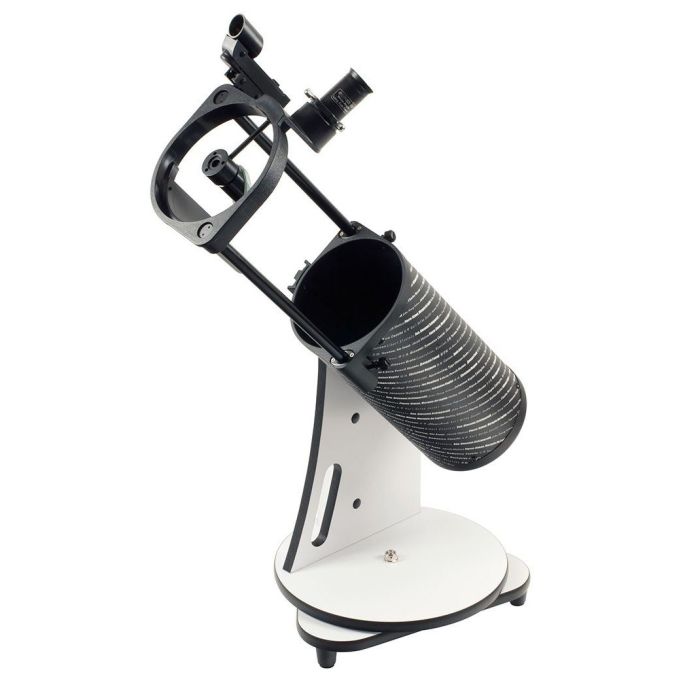
If you’re new to amateur astronomy, selecting your first telescope can feel overwhelming. Tabletop Dobsonian telescopes, like the Sky-Watcher Heritage 130P, offer an accessible entry point with a balance of affordability, portability, and decent optical capability. However, not every Dobsonian fits every beginner’s needs equally. This guide will help you understand key factors to consider before purchasing, using the Heritage 130P as a practical reference to clarify tradeoffs and priorities.
What Buyers Should Decide Before Choosing the Sky-Watcher Heritage 130P
Before committing to a tabletop Dobsonian like the Heritage 130P, clarify your primary goals and constraints. Ask yourself:
- What kind of astronomical objects do I want to observe? Planets, the Moon, and some brighter deep-sky objects are well within reach of a 130mm aperture, but more demanding targets may require larger scopes.
- How important is portability? The Heritage 130P’s collapsible flextube design makes it compact and easy to transport, but it requires a stable tabletop surface for setup.
- Am I prepared to perform routine maintenance? Flextube Dobsonians need frequent collimation to maintain image quality, which might be a learning curve for first-timers.
- What is my budget? The Heritage 130P is an affordable option in the Dobsonian category, but investing in upgraded eyepieces is recommended to enhance viewing.
Clarifying these points helps you align expectations with what this telescope offers and avoid surprises after purchase.
Key Decision Factors When Choosing a Tabletop Dobsonian
Price
For beginners, price is often the leading concern. The Heritage 130P stands out for its accessible price point (around $82.50), making it a low-risk choice for entry-level stargazers. However, keep in mind that the included kit eyepieces are basic. Budgeting for better eyepieces will significantly improve your experience but add to overall cost.
Aperture Size
Aperture—the diameter of the telescope’s main mirror—is critical because it determines image brightness and detail. The Heritage 130P’s 130mm aperture strikes a reasonable balance, offering clear views of the Moon, planets like Jupiter and Saturn, and some brighter deep-sky objects such as star clusters and nebulae.
Still, this aperture size has limits: faint deep-sky objects will appear dimmer and less detailed compared to larger apertures. If your goal is to explore a wide variety of deep-sky targets in greater detail, you might consider larger Dobsonians, though they often sacrifice portability and affordability.
Tube Design and Rigidity
The Heritage 130P features a collapsible flextube optical tube assembly (OTA). This design enhances portability by allowing the tube to fold down for transport and storage. However, flextubes are inherently less rigid than closed, rigid tubes, which can affect optical alignment and image stability.
Additionally, flextubes are more susceptible to dew formation and stray light intrusion, potentially degrading viewing conditions. In contrast, rigid tube Dobsonians like the Meade 5-inch tabletop models offer better protection against these issues but are bulkier and less portable.
Portability vs Stability
Portability is a major advantage of tabletop Dobsonians, especially the Heritage 130P. Its compact size and lightweight design make it easy to carry to dark-sky sites or set up on a patio table. However, this portability depends on having a stable, level surface for mounting. Without a sturdy platform, image stability suffers.
By contrast, larger floor-standing Dobsonians or rigid tube tabletop models provide more stability but at the cost of heavier, bulkier setups that are less convenient for casual or travel use.
Ease of Maintenance
The Heritage 130P requires regular collimation—the alignment of its mirrors—to ensure crisp images. This maintenance step can be challenging for beginners but is a valuable learning experience for those interested in telescope mechanics. Flextube designs generally need more frequent collimation than rigid tubes because the optical elements can shift as the tube flexes.
If minimal maintenance is a priority, rigid tube Dobsonians or other telescope types with sealed optics may be better suited. However, the tradeoff is reduced portability.
Included Accessories
The telescope comes with basic kit eyepieces and a Dobsonian mount. While sufficient for initial use, these eyepieces are average in quality. Upgrading to higher-quality eyepieces or adding a Barlow lens can greatly enhance magnification options and image clarity. Factor the cost of these accessories into your overall budget.
Also, the Heritage 130P’s mount is simple and user-friendly, ideal for beginners learning manual tracking and aiming. More advanced mounts with motorized tracking are available but come at a higher price and complexity.
Where the Sky-Watcher Heritage 130P Fits Well
The Heritage 130P shines as an affordable, beginner-friendly tabletop Dobsonian for casual stargazing. Its portability makes it easy to transport and set up quickly for spontaneous observing sessions. This telescope is well-suited for:
- Exploring the Moon’s craters and maria with clarity.
- Observing bright planets such as Jupiter’s cloud bands and Saturn’s rings.
- Viewing brighter deep-sky objects like the Orion Nebula or the Pleiades star cluster.
- Learning basic telescope operation, including collimation and manual tracking.
- Users with limited space or who want a compact scope for travel.
Its collapsible tube design makes it convenient for those who want a balance between aperture and portability without a steep investment. The Dobsonian mount’s simplicity allows beginners to focus on learning the night sky without complicated setup.
Where the Heritage 130P Is the Wrong Fit
Despite its strengths, the Heritage 130P is not ideal for everyone. Consider avoiding this model if you:
- Want a telescope with minimal maintenance—its flextube design demands frequent collimation to maintain image quality.
- Prefer a rigid optical tube to reduce dew issues and stray light, which can hamper viewing clarity.
- Plan to pursue astrophotography seriously; the Heritage 130P’s design and mount lack the stability and tracking precision needed without significant additional equipment.
- Require the highest optical performance possible within your budget—larger aperture or higher-end models offer brighter, more detailed images.
- Do not have access to a stable tabletop surface, as the mount depends on this for steady viewing.
- Are on a tight budget and unwilling or unable to invest in accessory upgrades like better eyepieces.
In these cases, alternatives like the Bresser 130/650 Tabletop Dobsonian with a closed tube design or larger rigid tube Dobsonians may better suit your needs, albeit often at higher prices and reduced portability.
What Kind of Buyer Should Choose the Heritage 130P
The Heritage 130P is best for beginners and casual astronomy enthusiasts who value portability and affordability over advanced features. It suits buyers who:
- Are interested in learning telescope basics, including collimation and manual operation.
- Want a compact, lightweight telescope easy to carry and set up on a stable table.
- Have a limited budget but still want a quality Dobsonian experience with decent aperture.
- Focus on lunar and planetary observing, with occasional deep-sky exploration.
- Do not require motorized tracking or astrophotography capabilities initially.
These users will appreciate the Heritage 130P’s balance of features and price, as well as the value of its included Dobsonian mount for hands-on learning.
Final Buying Advice
Choosing a tabletop Dobsonian telescope involves balancing aperture, portability, maintenance, and budget. The Sky-Watcher Heritage 130P exemplifies this balance, offering a 130mm aperture in a compact, affordable flextube design that appeals to many beginners. However, this convenience comes with tradeoffs:
- The flextube’s susceptibility to dew and stray light can reduce image quality, especially in humid or light-polluted environments.
- Frequent collimation is necessary to keep optics aligned, which requires patience and some technical learning.
- Included eyepieces are functional but upgrading them will improve your viewing experience considerably.
- Portability depends on having a stable tabletop; if you lack such a surface, consider a floor-standing Dobsonian or rigid tube model.
If you prioritize ease of maintenance and optical stability, or if you want to delve into astrophotography, this model may not be your best fit. Conversely, if you seek an affordable, portable telescope to start exploring the night sky with practical hands-on experience, the Heritage 130P is a compelling choice.
Before purchasing, consider your observing environment, how much time you want to spend on upkeep, and your long-term goals. If you envision progressing to larger or more advanced telescopes, starting with the Heritage 130P offers a solid foundation without a heavy upfront investment.
Ultimately, the best tabletop Dobsonian is one that matches your budget, observing habits, and willingness to engage with the learning curve of telescope maintenance. The Heritage 130P provides a balanced entry point for many beginners, making it a worthy candidate to consider as your first telescope.
More Shopping Guide Articles
- Sky-Watcher Heritage 130P Review: Affordable Dobsonian for Beginners
- Sky-Watcher Heritage 130P vs Heritage 150P: Which Dobsonian is Better for You?
- Sky-Watcher Heritage 130P vs Bresser 130/650 Tabletop: Tube Design and Durability Showdown
- Best Dobsonian Telescopes for Beginners: Heritage 130P and Alternatives Compared