
Best Dobsonian Telescopes for Beginners: Heritage 130P and Alternatives Compared
For newcomers to astronomy, Dobsonian telescopes offer an approachable gateway to exploring the night sky. Among the options, the Sky-Watcher Heritage 130P stands out as an affordable, compact, and portable tabletop Dobsonian designed for beginners. However, the market also offers a range of alternatives that differ in aperture size, tube design, and maintenance needs, which can significantly affect your observing experience and ease of use.
This guide helps you understand where the Heritage 130P fits within the beginner-friendly Dobsonian category, how it compares to similar models, and what tradeoffs are involved. Whether you value portability, optical performance, or simplicity, this comparison will assist you in narrowing down the best telescope to match your budget and stargazing goals.
1. Where Sky-Watcher Heritage 130P Fits in the Dobsonian Market
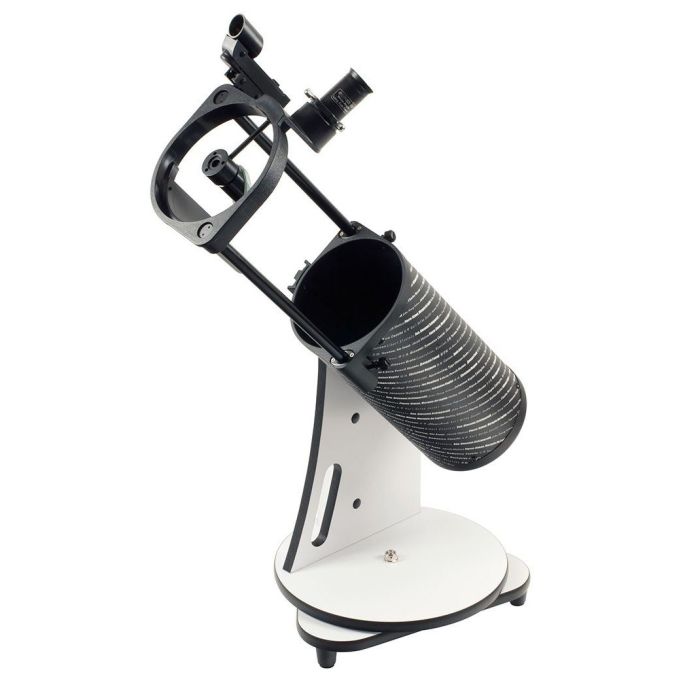
The Heritage 130P is positioned as an entry-level tabletop Dobsonian featuring a 130mm aperture and a collapsible flextube design. Its price point, typically around $82.50, makes it one of the most accessible Dobsonians for beginners. This model targets users who want a lightweight, portable scope that offers decent views of the Moon, planets, and some brighter deep-sky objects without requiring a large investment.
Unlike larger Dobsonians with rigid tubes, the Heritage 130P’s collapsible tube allows for compact storage and easy transport, but it requires a stable tabletop surface for setup. It includes basic kit eyepieces and a Dobsonian mount, providing a ready-to-use package for casual astronomy.
Within the beginner Dobsonian class, it sits alongside other tabletop models like the Sky-Watcher Heritage 150P and Bresser 130/650, but differs from those with closed, rigid tubes and larger apertures. For users considering an upgrade path, the Heritage 130P offers a balance of affordability and portability but entails certain compromises in tube rigidity and maintenance.
2. Comparing Key Buying Factors: Heritage 130P Versus Alternatives
Price and Value
The Heritage 130P’s affordability is a major draw, making it a practical choice for first-time telescope buyers. Models like the Heritage 150P and Bresser 130/650 generally command higher prices—often 20-40% more—due to larger apertures or more robust designs. Larger Dobsonians with 6-inch or greater apertures typically exceed beginner budgets but offer substantial optical gains.
Aperture Size and Optical Performance
Aperture size directly affects light-gathering capability and image detail. The Heritage 130P’s 130mm aperture is sufficient for clear views of lunar craters, planetary features, and some bright deep-sky objects. However, upgrading to the Heritage 150P’s 150mm aperture noticeably improves image brightness and resolution, especially for faint objects.
Larger tabletop Dobsonians like the Meade 5-inch or Zhumell 5-inch models provide similar or slightly larger apertures with rigid tubes, enhancing image stability and potentially better optical quality. For those seeking brighter and sharper views, stepping up to 6-8 inch Dobsonians offers a significant leap but at the cost of higher price and reduced portability.
Portability and Tube Design
The Heritage 130P’s collapsible flextube is a portability advantage, enabling compact storage and ease of transport. This makes it well-suited for users who often travel to dark sky sites or have limited storage space. However, the flextube’s open design increases vulnerability to dew formation and stray light intrusion, which can degrade viewing quality and require more frequent adjustments.
Alternatives like the Bresser 130/650 and Meade 5-inch tabletop Dobsonians use rigid, closed tubes that protect optics better from environmental factors. While less portable, these designs usually demand less maintenance and provide more stable optical alignment.
Maintenance and Ease of Use
Regular collimation is necessary for the Heritage 130P to maintain optimal image quality due to its flextube construction. Beginners may find this additional step challenging initially. In contrast, rigid tube models generally hold collimation longer, reducing upkeep demands. The Heritage 130P’s kit eyepieces are functional but average; upgrading eyepieces can enhance the viewing experience significantly.
3. Best Fit Scenarios for the Heritage 130P
The Heritage 130P is ideal for:
- Beginners and casual astronomers who want a budget-friendly telescope to explore lunar and planetary features without a steep learning curve or large upfront cost.
- Users valuing portability who require a lightweight scope that can easily be transported and set up on a stable tabletop, such as for trips to dark skies or backyard observing.
- Entry-level learners interested in gaining experience with telescope operation, maintenance, and collimation, as the flextube design provides a practical introduction to these skills.
- Observers focused on planetary and brighter deep-sky objects who do not need the brightest or highest-resolution images but want a solid start in astronomy.
4. Less Ideal Scenarios for the Heritage 130P
The Heritage 130P may be less suitable if you:
- Require a rigid tube for stability and minimal maintenance. Its flextube design demands frequent collimation and is more susceptible to dew and stray light, which can be inconvenient for some users.
- Have astrophotography ambitions without advanced equipment. Although capable of basic planetary imaging with additional setup, the 130P is not optimized for astrophotography, especially compared to larger or more stable scopes.
- Prioritize the highest optical performance. Users seeking brighter images and finer detail may find the 130mm aperture limiting and might benefit from larger Dobsonians or models with better optics.
- Prefer minimal accessory upgrades. The included eyepieces are basic; those wanting excellent views will likely invest in higher-quality eyepieces shortly after purchase.
- Need a self-contained scope without reliance on an external stable surface. Since the Heritage 130P is a tabletop scope, it requires a steady platform, unlike full-sized Dobsonians with their own mount bases.
5. Final Shortlist Recommendation
When selecting a beginner Dobsonian telescope, consider these key tradeoffs:
- Sky-Watcher Heritage 130P: Best for those who want a very affordable, portable, and compact telescope that introduces basic collimation and maintenance. It suits casual stargazing of lunar and planetary targets, with the flexibility of easy transport. Expect to invest in better eyepieces and perform routine alignment.
- Sky-Watcher Heritage 150P: A strong next step if you desire brighter, sharper views with a modest increase in price and weight. It retains the collapsible flextube design but improves aperture by nearly 15%, enhancing deep-sky performance. Ideal for beginners ready to invest a bit more for better optics while tolerating similar maintenance.
- Bresser 130/650 Tabletop Dobsonian: Best for users who prefer a closed, rigid tube to reduce dew and stray light, improving durability and ease of use. It offers a higher-quality focuser and less frequent collimation, at the cost of bulkier size and potentially higher price. Suited for beginners who prioritize stability over compactness.
- Meade 5-inch Tabletop Dobsonian (and similar 5-inch rigid tube models): Appropriate for beginners wanting a robust, rigid tube telescope with improved optical stability. These scopes are less portable but provide a sturdier platform and less maintenance. They fit users who have space and prefer longer observing sessions with minimal fuss.
- Larger Dobsonian Telescopes (6-8 inch): Recommended for those with higher budgets and a strong interest in deep-sky astronomy or astrophotography. These offer significant gains in brightness and detail but sacrifice portability and ease of setup. They are less beginner-friendly but are excellent for serious hobbyists ready to invest in advanced equipment.
In summary, the Sky-Watcher Heritage 130P is a compelling choice for beginner astronomers seeking a portable and affordable introduction to Dobsonian telescopes. If you prioritize image quality and reduced maintenance, consider rigid tube alternatives like the Bresser 130/650 or larger aperture scopes. Evaluating your observing habits, transport needs, and willingness to perform routine maintenance will guide you toward the best fit.
More Shopping Guide Articles
- Sky-Watcher Heritage 130P Review: Affordable Dobsonian for Beginners
- Buying Guide: How to Choose the Right Tabletop Dobsonian Telescope
- Sky-Watcher Heritage 130P vs Heritage 150P: Which Dobsonian is Better for You?
- Sky-Watcher Heritage 130P vs Bresser 130/650 Tabletop: Tube Design and Durability Showdown