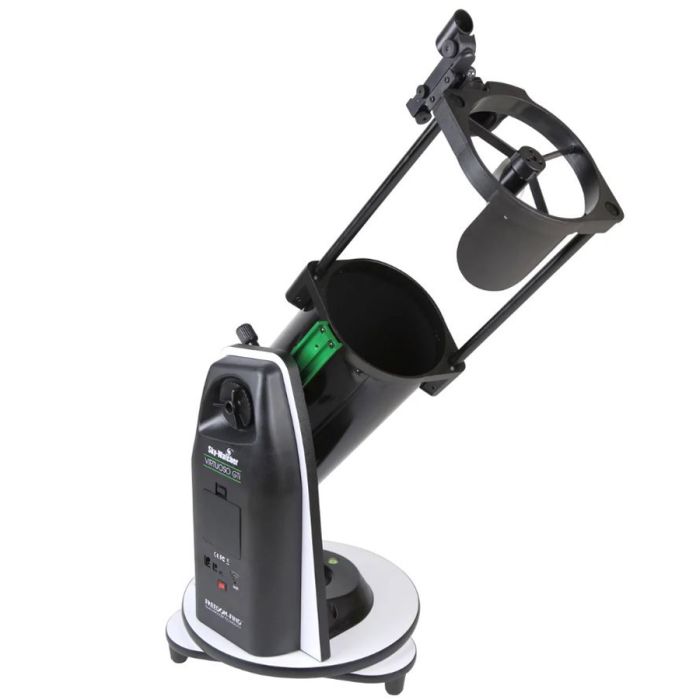

Virtuoso GTi 150 vs Larger Aperture Manual Dobsonians: Portability vs Power
Choosing the right telescope often means balancing portability, ease of use, and raw optical power. The Sky-Watcher Virtuoso GTi 150 tabletop GoTo Dobsonian offers a compact, automated experience with a moderate 150mm aperture, while larger manual Dobsonians prioritize aperture size and light gathering at the cost of bulk and manual operation. This head-to-head comparison focuses on helping visual observers decide which style fits their needs best, weighing aperture, portability, automation, price, and practical use.
Quick Verdict
The Virtuoso GTi 150 excels as a beginner-friendly, portable telescope with integrated GoTo and tracking, ideal for casual planetary viewing and quick setup sessions. In contrast, larger aperture manual Dobsonians deliver superior light gathering and detail for deep-sky visual observing but require more effort to transport, assemble, and manually locate objects. If you want convenience and automated tracking in a compact form, the Virtuoso GTi 150 is the better fit. If you prioritize aperture size and cost-effective visual performance and don’t mind manual operation, a larger manual Dobsonian is the way to go.
Key Differences at a Glance
- Aperture: Virtuoso GTi 150 has a 150mm aperture; larger Dobsonians typically start at 8 inches (~203mm) or more, gathering significantly more light.
- Portability: Virtuoso GTi 150’s collapsible, tabletop design is lightweight and easy to transport; larger Dobsonians are bulkier and heavier.
- Tracking & GoTo: Virtuoso GTi 150 includes built-in WiFi GoTo and tracking via the SynScan app; larger Dobsonians are fully manual without electronics.
- Price: Virtuoso GTi 150 is competitively priced around $141; larger Dobsonians vary but generally cost more due to bigger optics.
- Ease of Use: Virtuoso GTi 150 offers simplified setup and automated object locating; manual Dobsonians require star hopping and manual tracking.
Price and Value
At approximately $141, the Virtuoso GTi 150 offers strong value for an automated tabletop Dobsonian. Its combination of a 150mm aperture, built-in WiFi GoTo, and compact design packs features often found in pricier scopes into an affordable package. This makes it an attractive entry point for beginners or those wanting a portable scope with computerized assistance.
Larger aperture manual Dobsonians, such as 8-inch models, typically cost more upfront due to the bigger mirrors and sturdier mounts. However, when measured by cost per inch of aperture, these manual scopes often provide better value for visual observing. Buyers focused on maximizing aperture within a budget may find manual Dobsonians deliver more “bang for the buck” in raw light gathering and detail, albeit without automation.
Ultimately, value depends on what you prioritize: if automation, portability, and ease of use matter most, the Virtuoso GTi 150’s price reflects a balanced feature set. If aperture and optical performance for purely manual visual observing are your priority, investing in a larger Dobsonian offers better optical value even if the price is higher.
Performance and Practical Use
Aperture and Light Gathering: The 150mm aperture of the Virtuoso GTi 150 is solid for a tabletop Dobsonian, delivering crisp planetary views and respectable deep-sky object visibility. Its f/5 focal ratio provides a reasonably wide field suited for many beginners’ targets.
However, larger manual Dobsonians, starting at 8 inches (203mm) aperture and above, collect roughly 80% more light than the GTi 150. This translates to brighter, more detailed views of faint deep-sky objects such as nebulae and galaxies. The larger aperture also supports higher magnifications with better image quality, vital for serious visual observers focused on deep-sky exploration.
GoTo and Tracking vs Manual Operation: The Virtuoso GTi 150’s integrated WiFi GoTo and tracking system allows users to find and track objects automatically using the SynScan app on a smartphone. This reduces the learning curve for beginners and makes observing sessions more efficient, especially in light-polluted or unfamiliar skies.
Manual Dobsonians require users to locate objects via star hopping or charts and manually adjust the telescope to track them. While this can slow down sessions and frustrate novices, many experienced observers appreciate the tactile connection and skill development it encourages. Manual scopes also avoid power consumption concerns and system failures that can occasionally affect electronic mounts.
Ease of Setup / Ease of Use
The Virtuoso GTi 150 shines in setup speed and operational simplicity. Its collapsible optical tube and compact tabletop mount mean you can carry and assemble the scope in minutes without heavy lifting. The WiFi GoTo system eliminates the guesswork of star alignment and object location, making it ideal for those new to astronomy or observers with limited time.
In contrast, larger manual Dobsonians are bulkier and require more physical effort to transport and assemble. Setup involves balancing the scope, aligning the optical tube, and manual star hopping to find targets. While the design is straightforward and robust, beginners may find the learning curve steeper and the setup more time-consuming, especially in cold or dark conditions.
Accessories / Feature Completeness
The Virtuoso GTi 150 includes useful features for its class: a 150mm collapsible OTA with a helical focuser, a tabletop Dobsonian mount, and built-in WiFi GoTo control compatible with the SynScan app. This combination supports visual observing and casual planetary imaging with a smartphone. However, the plastic helical focuser and lightweight mount limit serious astrophotography or heavy camera use.
Larger manual Dobsonians generally come as a no-frills package focused on optical and mechanical quality. They usually include basic eyepieces but lack electronics, GoTo, or tracking features. Their simple design means fewer points of failure and easy maintenance but requires users to add accessories like finder scopes or motorized tracking if desired.
In summary, the Virtuoso GTi 150 offers a more complete, feature-rich experience out of the box with automation and smartphone integration. Larger Dobsonians provide raw optical power but rely on user-supplied accessories and manual operation.
Which Buyer Should Choose Which Option?
Choose the Virtuoso GTi 150 if you:
- Are a beginner or intermediate user seeking easy setup and automated GoTo tracking.
- Want a portable, lightweight telescope that fits on a tabletop and travels easily.
- Prefer a balance of decent aperture with convenient technology for casual planetary and deep-sky viewing.
- Value smartphone integration and quick observing sessions without manual star hopping.
- Are interested in casual planetary imaging with a phone and want a compact system.
Opt for a Larger Aperture Manual Dobsonian if you:
- Prioritize maximum aperture and light gathering for deep-sky visual observing.
- Are comfortable with manual operation, star hopping, and tracking by hand.
- Want the best cost per inch of aperture and raw optical performance for your budget.
- Don’t need automation or smartphone GoTo features.
- Have space and willingness to transport and set up a bigger, heavier telescope.
Both options serve distinct user profiles. The Virtuoso GTi 150 is well suited for casual backyard astronomers and beginners valuing convenience and portability. Larger manual Dobsonians cater to dedicated visual observers who want the brightest, most detailed views and are willing to invest time and effort in manual operation.
Conclusion
When choosing between the Virtuoso GTi 150 and larger aperture manual Dobsonians, the core tradeoff boils down to portability and automation versus aperture and raw power. The Virtuoso GTi 150’s compact, collapsible design and integrated GoTo tracking make it an excellent choice for beginners and casual observers who want an accessible, quick-to-deploy telescope with modern conveniences. Its 150mm aperture delivers satisfying views of planets and many deep-sky objects, while smartphone-controlled GoTo removes much of the learning curve.
On the other hand, larger manual Dobsonians offer superior light gathering and image detail thanks to apertures typically 30-50% larger or more. They also come at a competitive price point per inch of aperture. However, their size, weight, and lack of automation mean more hands-on setup, transport effort, and a steeper learning curve. These scopes appeal to visual observers who want the brightest views possible and enjoy the traditional manual star hopping experience.
In essence:
- Pick the Virtuoso GTi 150 if portability, ease of use, and automated tracking are priorities for your backyard or travel observing.
- Choose a larger manual Dobsonian if you want the biggest aperture you can afford for deep-sky visual observing and don’t mind manual operation.
Both telescopes have their place, but understanding your observing goals and how much you value portability and automation versus aperture power will guide you to the best choice.
More Shopping Guide Articles
- Virtuoso GTi 150 Review: Best Beginner Tabletop Dobsonian?
- Buying Guide: How to Choose a Tabletop Dobsonian Like the Virtuoso GTi 150
- Virtuoso GTi 150 vs Dedicated Astrophotography Setups: Casual Use or Serious Imaging?
- Top Alternatives to the Virtuoso GTi 150: Manual Dobsonians and Smart Astrophotography Scopes