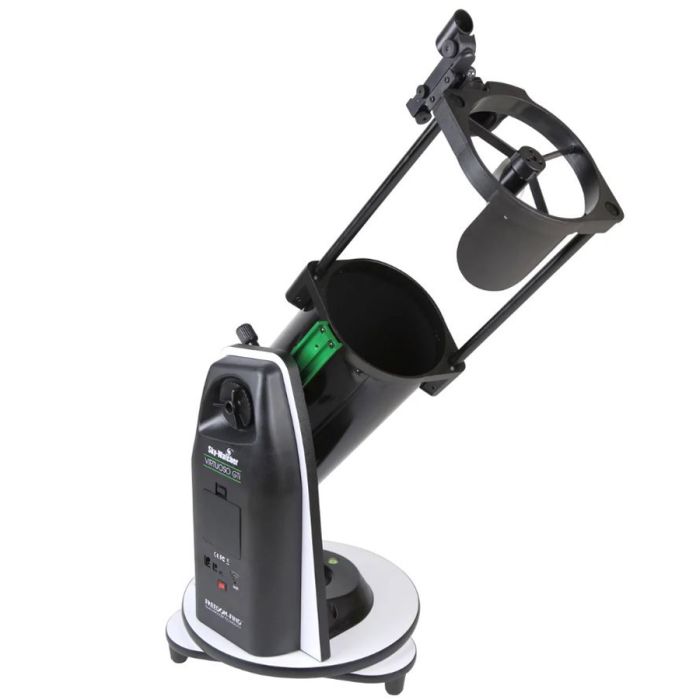

Virtuoso GTi 150 vs Dedicated Astrophotography Setups: Casual Use or Serious Imaging?
Choosing a telescope often means balancing ease of use with imaging capability. The Sky-Watcher Virtuoso GTi 150 offers a beginner-friendly, portable GoTo Dobsonian experience, while dedicated astrophotography setups with equatorial mounts cater to users seeking precision and deep-sky imaging excellence. This comparison breaks down the key differences to help you decide which approach fits your astronomy goals and budget.
Quick Verdict
The Virtuoso GTi 150 is an excellent choice for beginners and casual users who want quick setup, portability, and easy visual observing with some casual planetary imaging. Its tabletop GoTo Dobsonian design makes it accessible and fun without overwhelming complexity.
In contrast, a dedicated astrophotography setup with an equatorial mount suits serious imagers who prioritize stable, long-exposure deep-sky photography and are willing to invest more time and money into learning and setup complexity. These rigs deliver superior tracking precision and imaging quality but require patience and technical know-how.
Key Differences at a Glance
- Mount Type & Tracking: Virtuoso GTi 150 uses an alt-az tabletop Dobsonian with limited tracking for short exposures; astrophotography setups use equatorial mounts with precise, long-duration tracking.
- Imaging Quality & Exposure: Virtuoso GTi 150 supports casual planetary imaging and phone-based photography with short exposures; astrophotography rigs enable long-exposure deep-sky imaging with dedicated cameras.
- Ease of Use & Setup: Virtuoso GTi 150 is plug-and-play with WiFi GoTo control, ideal for beginners; astrophotography setups involve complex polar alignment, calibration, and software use.
- Price & Portability: Virtuoso GTi 150 is affordable (~$141) and lightweight; astrophotography setups are significantly costlier and bulkier, reducing portability.
Price and Value
The Virtuoso GTi 150 is positioned as an affordable entry point, retailing around $141. This price includes a 150mm aperture telescope with a collapsible optical tube assembly (OTA), integrated WiFi GoTo control via the SynScan app, and a compact tabletop base. For beginners, this represents strong value, bundling automation and decent optics in a portable package.
Dedicated astrophotography setups, by comparison, typically start at several hundred to thousands of dollars, depending on mount quality, optics, and imaging accessories. The cost includes equatorial mounts designed for precise tracking, specialized telescopes optimized for imaging, plus cameras and guiding equipment. This higher investment targets users seeking long-term imaging capability rather than casual viewing.
In value terms, the Virtuoso GTi 150 offers excellent bang-for-buck for casual users and beginners focused on visual use and occasional planetary imaging. Astrophotography setups deliver superior performance but at a steep price and learning curve, making them an investment best suited for committed astrophotographers.
Performance and Practical Use
Mount Stability and Tracking: The Virtuoso GTi 150’s alt-azimuth Dobsonian mount includes built-in GoTo and tracking, but its lightweight tabletop design limits tracking precision and payload capacity. This restricts imaging to short exposures and mainly planetary or lunar photography using smartphones or small cameras. The helical focuser and plastic mechanical components also limit focusing accuracy and stability for astrophotography.
Dedicated astrophotography setups use equatorial mounts that counter Earth’s rotation precisely, enabling stable, long-exposure imaging of faint deep-sky objects such as galaxies and nebulae. These mounts support heavier cameras and accessories and often include autoguiding systems to maintain pinpoint tracking over minutes to hours.
Imaging Capability: Virtuoso GTi 150 is ideal for visual observing of planets, the Moon, and some brighter deep-sky objects, with casual phone-based imaging possible for bright objects and short exposures. However, it is not designed for serious deep-sky imaging or long exposures due to mount and focuser limitations.
Astrophotography rigs excel at capturing detailed, long-exposure images with dedicated CCD or CMOS cameras, filter wheels, and optimized optical tubes. They provide the performance needed for high-resolution planetary imaging, as well as deep-sky astrophotography requiring stacking and post-processing.
Ease of Setup / Ease of Use
The Virtuoso GTi 150 stands out for simplicity. Its compact tabletop design means minimal setup time: place it on a stable surface, power it on, and control it wirelessly via smartphone app. Automatic GoTo and tracking help beginners find and follow celestial targets without manual alignment or star charts. The collapsible OTA and lightweight base make transport and storage straightforward.
By contrast, dedicated astrophotography setups require considerable setup effort. Polar alignment of the equatorial mount is essential for accurate tracking, often involving specialized tools or software. Balancing the telescope with heavy cameras, connecting guiding systems, and configuring imaging software add complexity. This learning curve can be daunting for newcomers but is necessary for quality astrophotography.
In summary, the Virtuoso GTi 150 favors users seeking immediate gratification with minimal friction, while astrophotography rigs reward patience and investment with professional-level results.
Accessories / Feature Completeness
The Virtuoso GTi 150 includes a 150mm aperture optical tube, helical focuser, tabletop Dobsonian mount with integrated GoTo and tracking, and WiFi connectivity for control via the SynScan app. Its collapsible OTA enhances portability, but the focuser and mount are basic, limiting advanced imaging accessories. It supports phone eyepiece adapters for casual astrophotography but lacks the robust mechanical support for heavier dedicated cameras or filter wheels.
Dedicated astrophotography setups often come with or support a range of specialized accessories: high-precision equatorial mounts with motorized tracking, autoguiders to improve tracking accuracy, motorized focusers, field flatteners, and camera adapters. These features enable advanced imaging techniques such as narrowband imaging and long exposures. The tradeoff is added complexity, cost, and weight.
While the Virtuoso GTi 150 covers essential features for beginner visual use and casual imaging, dedicated rigs offer a full complement of tools designed for maximizing astrophotography performance.
Which Buyer Should Choose Which Option?
Choose the Virtuoso GTi 150 if you are:
- A beginner or intermediate user who values ease of use and quick setup.
- Interested primarily in visual observing with some casual planetary or lunar imaging.
- Looking for a portable, lightweight telescope that can fit on a tabletop or small stand.
- Budget-conscious and seeking good value with built-in GoTo and tracking.
- Preferring smartphone control and minimal technical complexity.
Choose a Dedicated Astrophotography Setup if you are:
- Committed to serious astrophotography, especially deep-sky long-exposure imaging.
- Willing to invest time learning polar alignment, calibration, and imaging software.
- Needing stable equatorial mounts that support heavy cameras and guiding equipment.
- Prioritizing imaging quality over portability and quick setup.
- Prepared for a higher budget and more complex gear management.
Conclusion
The decision between the Virtuoso GTi 150 and a dedicated astrophotography setup boils down to your astronomy ambitions and readiness to manage complexity. The Virtuoso GTi 150 delivers an accessible, automated Dobsonian experience perfect for beginners and casual observers who want bright views and simple planetary imaging without fuss. Its portability, ease of use, and affordable price make it an excellent first telescope or a convenient travel companion.
Meanwhile, dedicated astrophotography setups are tailored for users who want to delve deeply into long-exposure imaging, require precise mount stability, and are comfortable navigating setup intricacies. These systems demand a greater financial and time commitment but unlock the potential for stunning, high-quality astrophotos beyond casual visual use.
For buyers prioritizing straightforward operation, portability, and value, the Virtuoso GTi 150 stands out. For those aiming to pursue astrophotography seriously and willing to embrace complexity for superior imaging results, investing in a dedicated equatorial mount setup is the better path.
More Shopping Guide Articles
- Virtuoso GTi 150 Review: Best Beginner Tabletop Dobsonian?
- Buying Guide: How to Choose a Tabletop Dobsonian Like the Virtuoso GTi 150
- Virtuoso GTi 150 vs Larger Aperture Manual Dobsonians: Portability vs Power
- Top Alternatives to the Virtuoso GTi 150: Manual Dobsonians and Smart Astrophotography Scopes