
Top Alternatives to the Virtuoso GTi 150: Manual Dobsonians and Smart Astrophotography Scopes
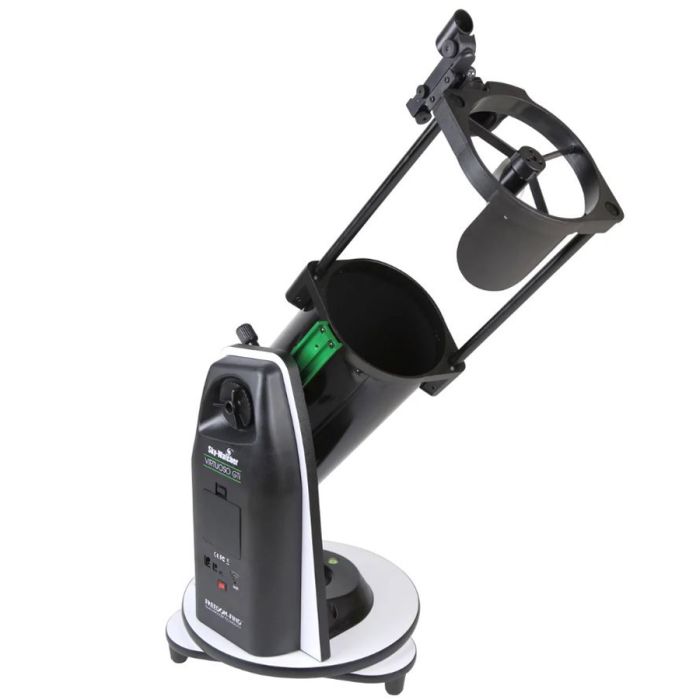
When exploring telescopes for beginner or intermediate stargazing, the Sky-Watcher Virtuoso GTi 150 often catches the eye. Its compact, portable tabletop Dobsonian design combined with built-in GoTo control and tracking delivers a friendly entry point for visual astronomy and casual planetary imaging. But as buyers dive deeper into their astronomy goals, they sometimes find the Virtuoso GTi 150’s balance of features doesn’t fully match their evolving needs. Whether you’re seeking more aperture for richer views, better astrophotography capability, or different automation features, this guide lays out practical alternatives organized by use case to help you decide the best telescope path beyond the Virtuoso GTi 150.
Why Buyers Consider the Virtuoso GTi 150
The Virtuoso GTi 150 is widely appreciated for its blend of portability, ease of use, and respectable optical performance wrapped in a tabletop Dobsonian form factor. With a 150mm aperture and a focal length around 750mm (~f/5), it offers bright, crisp views of planets and many deep-sky objects, making it a versatile option for beginners and casual observers. Its collapsible design enhances portability, while integrated WiFi and the SynScan app bring computerized GoTo and tracking features right to your smartphone, simplifying object location and follow-up observations.
Priced affordably around $141, it strikes a compelling value proposition for those seeking a modern, automated telescope that’s quick to set up and beginner-friendly. Its combination of a helical focuser and lightweight mount supports casual planetary photography using a smartphone, appealing to users who want some imaging without investing in complex astrophotography rigs. Overall, the Virtuoso GTi 150 is a practical, compact telescope that balances automation, optics, and portability for home and backyard use.
When the Virtuoso GTi 150 Is the Wrong Fit
Despite its strengths, the Virtuoso GTi 150 isn’t the perfect match for every stargazer. Its 150mm aperture, while respectable, limits light gathering compared to larger manual Dobsonians, impacting the detail and brightness visible on faint deep-sky objects. Users prioritizing aperture size for richer visual experience may find it underwhelming.
Additionally, the telescope’s helical focuser and lightweight tabletop mount constrain astrophotography ambitions. Serious imaging—especially deep-sky long exposures—requires steadier mounts with equatorial tracking and more precise focusers to avoid vibrations and tracking errors. While the Virtuoso GTi 150 can handle short planetary exposures, it isn’t designed for demanding astrophotography setups.
Portability is a strong suit, but the tabletop Dobsonian form can be limiting for those wanting a full-sized mount or the option to add heavy cameras and accessories. Also, users focused mainly on visual observation without interest in computerized GoTo may find manual scopes provide better aperture per dollar and simpler operation.
Better Alternatives for Different Scenarios
1. Visual Observers Wanting Larger Aperture
If your priority is to maximize light-gathering capability for brighter, more detailed views of planets and deep-sky objects, consider larger manual Dobsonians starting at 8 inches (about 203mm aperture). These telescopes forego computerized GoTo but offer significantly larger apertures at a competitive price. Their simple alt-azimuth mounts and solid optical tubes provide robust, stable viewing, ideal for backyard sessions where portability is less critical.
- Strengths: Greater aperture for enhanced brightness and detail; lower price per inch of aperture; straightforward, rugged design.
- Tradeoffs: No automated tracking or object location; heavier and bulkier to transport; manual operation requires more user skill to find objects.
This option suits visual astronomy enthusiasts who enjoy star-hopping or those on a budget focused on raw aperture rather than automation. If you have a fixed observing site or don’t mind carrying a heavier scope, an 8-inch Dobsonian can deliver more rewarding views than the Virtuoso GTi 150.
2. Beginners Focused on Automated Astrophotography
For users whose main goal is astrophotography—especially deep-sky imaging—dedicated setups with equatorial mounts offer the precision and stability required for long exposures. These systems typically include telescopes optimized for imaging paired with mounts capable of accurate tracking to counteract Earth’s rotation.
- Strengths: Stable, motorized equatorial mounts allow long exposure astrophotography; optimized optics and better focusers support camera attachments; often compatible with advanced imaging software.
- Tradeoffs: Higher cost and complexity; longer setup and calibration times; less portable and more cumbersome to transport.
While the Virtuoso GTi 150 offers easy GoTo and casual imaging, it cannot match the astrophotography capability of these rigs. Dedicated astrophotography setups are better suited for serious users committed to deep-sky imaging and willing to invest time learning mount alignment and imaging workflows.
3. Smart Telescopes Designed Around Automated Imaging (e.g., Seestar S50)
Smart telescopes like the Seestar S50 target users who want an integrated astrophotography experience with easy setup and automation. These telescopes include built-in cameras and software-driven object detection, simplifying imaging without requiring separate cameras or complex mounts.
- Strengths: Fully automated imaging with minimal user input; compact, integrated design; beginner-friendly operation tailored for astrophotography.
- Tradeoffs: Less optimized for traditional visual observing; smaller apertures limit visual brightness; usually higher price points than basic Dobsonians.
This category fits buyers focused primarily on astrophotography who value smart automation over manual control or large aperture visual performance. Compared to the Virtuoso GTi 150, these scopes offer superior imaging features but are less versatile for casual visual use.
Best Choice by Buyer Type
For Beginners Seeking Easy Setup and Visual Plus Casual Imaging
The Virtuoso GTi 150 remains a compelling choice. Its WiFi-enabled GoTo system, portable tabletop design, and 150mm aperture strike a good balance for new users wanting quick star access and some planetary imaging. Its price point and ease of use make it ideal for first telescopes or casual backyard observers who want automation without complexity.
For Visual Observers Prioritizing Aperture and Value
Larger manual Dobsonians (8-inch or more) are the better fit. These scopes deliver more light-gathering power and richer views at a price that often beats computerized scopes on a per-inch basis. They require more manual operation but reward users with superior visual performance, especially under dark skies.
For Aspiring Astrophotographers Focused on Imaging Performance
Dedicated astrophotography setups with equatorial mounts or smart telescopes like the Seestar S50 provide the tracking precision and camera integration necessary for quality imaging. Beginners willing to invest in learning imaging techniques will find these alternatives better suited than the Virtuoso GTi 150’s casual imaging capabilities.
For Buyers Prioritizing Portability and Automation
The Virtuoso GTi 150 and smart telescopes share portability advantages, but the Virtuoso GTi 150 is better for users who want traditional visual observation with automation. Smart scopes lean more heavily into astrophotography, so the choice depends on whether visual or imaging use predominates.
Final Recommendation
The Sky-Watcher Virtuoso GTi 150 excels as a beginner-friendly, affordable tabletop Dobsonian offering a harmonious mix of portability, computerized GoTo control, and good optical performance for visual astronomy and casual planetary imaging. It’s especially well-suited for users new to telescopes seeking quick setup and easy operation in a compact package.
However, if your astronomy interests lean toward deeper visual exploration with brighter, more detailed views of faint objects, larger manual Dobsonians deliver more aperture and value at the expense of automation and portability. They reward users comfortable with manual tracking and object location.
For those whose main focus is astrophotography—particularly deep-sky long-exposure imaging—a dedicated setup with an equatorial mount or a smart telescope like the Seestar S50 offers the stability, automation, and camera integration needed to achieve meaningful imaging results. These options require a greater investment of time, money, and learning but open doors to advanced astrophotography.
Ultimately, your choice beyond the Virtuoso GTi 150 should reflect your primary use case, balancing price, performance, ease of use, and portability. By clarifying whether your priority is visual aperture, casual automation, or serious imaging, you can select the telescope category that best matches your astronomy ambitions and lifestyle.