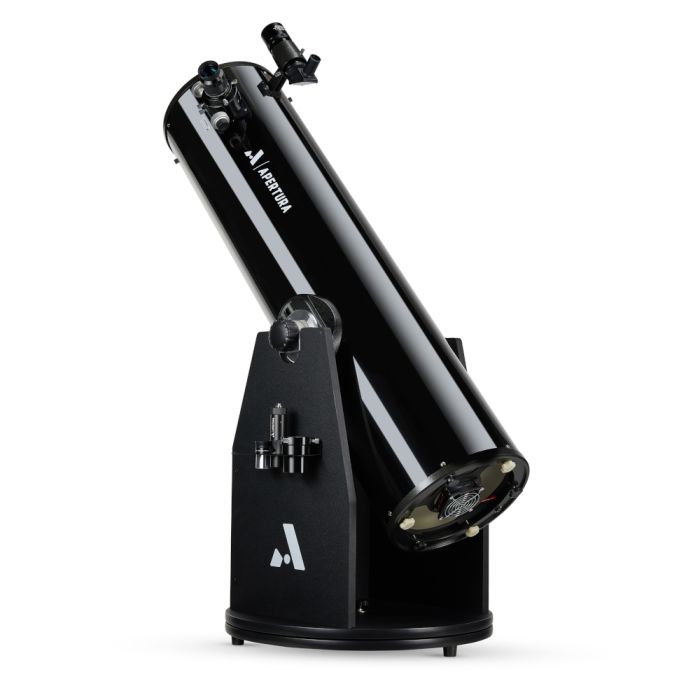

Buying Guide: How to Choose the Right 10″ Dobsonian Telescope Like the Apertura AD10
Choosing a 10″ Dobsonian telescope can be a pivotal step for amateur astronomers looking to deepen their observational experience. The Apertura AD10, a popular model in this category, exemplifies the balance of aperture size, portability, and value that many buyers seek. However, deciding if a 10″ Dobsonian—and this exact model—fits your needs requires understanding key tradeoffs and use case considerations. This guide will walk you through the essential factors to consider before purchase, helping you make an informed choice tailored to your astronomy goals.
What Buyers Should Decide Before Choosing a 10″ Dobsonian Like the Apertura AD10
Before selecting a 10″ Dobsonian telescope such as the Apertura AD10, you need clarity on several foundational questions that shape the right choice for you:
- What are your primary observing goals? Are you focused on planetary details, deep sky objects, or broad star fields? The 10″ aperture is versatile but excels especially at deep sky viewing.
- Where will you typically use the telescope? Backyard setups, dark-sky sites, or travel? The AD10’s moderate portability suits home use but may challenge frequent transport.
- How important is ease of setup and use? The AD10 uses a manual Dobsonian mount that offers stability but requires some effort in alignment and tracking.
- What is your budget range? The Apertura AD10 typically falls between $350 and $1000 used, representing solid value but with tradeoffs in included accessories and portability.
Addressing these questions upfront helps align expectations with what a 10″ Dobsonian like the AD10 can realistically deliver.
Key Decision Factors When Selecting the Apertura AD10 or Similar 10″ Dobsonians
When evaluating the Apertura AD10, consider these critical decision factors, each involving practical tradeoffs:
Aperture and Optical Performance
The 10″ (254mm) primary mirror is the heart of the AD10’s performance. Aperture determines how much light the telescope gathers, directly impacting the brightness and detail of celestial objects you can see. Compared to smaller scopes, 10″ apertures reveal fainter deep sky objects and finer planetary features.
However, larger aperture also means more weight and bulk. The AD10 offers a sweet spot: enough aperture to appreciate galaxies, nebulae, and planetary rings, while remaining manageable for many backyard users. Keep in mind that while the AD10’s optics are solid, adding upgrades like a coma corrector can improve edge-of-field sharpness, especially for wide-field views.
Mount Stability and Ease of Use
The Dobsonian mount used by the AD10 is favored for stability and simplicity. It allows smooth manual tracking and intuitive control, which is essential for extended deep sky sessions. Yet, it requires manual repositioning and some initial collimation (mirror alignment) to maintain optimal image quality.
This tradeoff means the AD10 is best suited for users comfortable with hands-on setup and manual tracking rather than automated GoTo systems. The simplicity of the mount supports a focus on observation without complex electronics, but beginners should be prepared for a learning curve regarding setup and alignment.
Portability and Storage Considerations
With its large 10″ aperture, the AD10 is moderately portable but heavier and bulkier than smaller Dobsonians or compact SCTs. It weighs about 20 pounds less than the larger Apertura AD12, making it somewhat easier to handle, but it is still a sizable instrument that may require two people for transport and setup.
Storage space is another consideration. The AD10’s solid tube design means it needs a dedicated storage spot and may not fit easily in small vehicles. Some users add casters as a DIY modification to ease movement.
Compared to SCT or Maksutov-Cassegrain telescopes, which are more compact and lightweight, the AD10 trades convenience for the advantage of a larger aperture and wider field of view.
Accessory Options and Upgrade Paths
The Apertura AD10 includes essential accessories like a Telrad finder, which aids in target acquisition. However, many enhancements are optional upgrades, such as:
- Collimation tools for easier and more precise mirror alignment
- Coma correctors to sharpen wide-field views
- Upgraded eyepieces for improved magnification and contrast
- Flocking paper to reduce internal reflections
- Protective cases and casters for transport and storage
These upgrade paths allow the AD10 to grow with your experience and observing needs but also mean that the initial purchase may require additional investment for peak performance.
Where the Apertura AD10 Fits Well
The Apertura AD10 shines in scenarios that leverage its aperture and stable mount without demanding ultra-portability or advanced automation:
- Backyard stargazing: The AD10 is well suited to fixed or semi-permanent backyard setups where size and weight are less limiting.
- Visual deep sky observation: Its 10″ aperture brings thousands of faint galaxies, nebulae, and star clusters within reach, offering rich views for observers interested in deep sky objects.
- Amateur astronomy sessions: Intermediate users upgrading from smaller scopes will find the AD10 offers a meaningful step up in detail and brightness.
- Value-focused buyers: The AD10’s competitive used price offers strong aperture-to-cost ratio, making it accessible for those prioritizing performance over compactness.
In these contexts, the AD10 balances performance and manageability, providing rewarding observing experiences without breaking the bank.
Where the Apertura AD10 Is the Wrong Fit
Despite its strengths, the AD10 is not ideal for every buyer or use case. Consider avoiding it if you:
- Need ultra-portability: Frequent travel or limited storage space favors smaller, more compact telescopes like SCTs or Maksutov-Cassegrains.
- Prefer computerized or GoTo mounts: The AD10’s manual Dobsonian mount requires hands-on tracking and alignment, which may not suit users seeking push-button operation.
- Want premium out-of-the-box features: The AD10’s basic accessory set means extra purchases and setup effort for best optical performance.
- Are beginners looking for minimal setup: While accessible, the AD10 demands some collimation and manual operation that may overwhelm absolute beginners wanting simplicity.
In these cases, smaller aperture or alternative telescope types may better match your portability and ease-of-use priorities.
What Kind of Buyer Should Choose the Apertura AD10
The Apertura AD10 is best suited for buyers who:
- Have some experience with telescopes and are ready to upgrade from smaller models
- Value aperture and optical performance for deep sky viewing without excessive cost
- Plan to observe primarily from a stable home or backyard location
- Are comfortable with manual setup, collimation, and tracking
- Can accommodate the telescope’s size and moderate weight in storage and transport
This buyer profile balances ambition with practicality, seeking a robust observing platform that delivers significant gains in viewing capability while managing size and budget constraints.
Final Buying Advice
Choosing a 10″ Dobsonian like the Apertura AD10 means embracing a set of tradeoffs between aperture, portability, ease of use, and price. The AD10 stands out by offering a substantial 10″ aperture that unlocks detailed views of planets and deep sky wonders at a competitive price point, especially on the used market.
However, you should be prepared for the hands-on nature of a Dobsonian mount: manual tracking, occasional collimation, and some upfront setup effort. If you prioritize ease of setup or ultra-light portability, smaller telescopes or alternative designs may serve you better.
Before purchasing, consider your typical observing environment and transport capabilities. The AD10’s moderate portability suits backyard use and occasional transport but is not designed for frequent travel or tight storage spaces.
Finally, factor in the cost and benefits of optional accessories and upgrades, which can enhance viewing quality but add to the total investment.
In summary, the Apertura AD10 is a compelling choice for intermediate amateur astronomers seeking a capable, value-oriented 10″ Dobsonian. If you align with its intended use cases and are comfortable with its tradeoffs, it can provide years of rewarding astronomical exploration.
More Shopping Guide Articles
- Apertura AD10 Review: A Mid-Range 10" Dobsonian for Serious Stargazers
- Apertura AD10 vs Sky-Watcher 10" Dobsonian: Which 10" Dobsonian Offers Better Value?
- Apertura AD10 vs Orion 10" Dobsonian: Stability and Optics in the 10" Dobsonian Class
- Top Alternatives to the Apertura AD10: SCTs, Maksutov-Cassegrains, and Larger Dobsonians Compared