
Top Alternatives to the Apertura AD10: SCTs, Maksutov-Cassegrains, and Larger Dobsonians Compared
When considering the Apertura AD10, many buyers face a critical crossroad: stick with a classic 10″ Dobsonian, or explore alternatives that offer different balances of aperture, portability, and ease of use. This guide helps you understand where the AD10 fits within a wider field of telescope types, including Schmidt-Cassegrain and Maksutov-Cassegrain models, as well as larger Dobsonian options. By focusing on practical tradeoffs and typical usage scenarios, you can confidently narrow your choices based on your observing goals and lifestyle.
Where the Apertura AD10 Fits in the Telescope Market
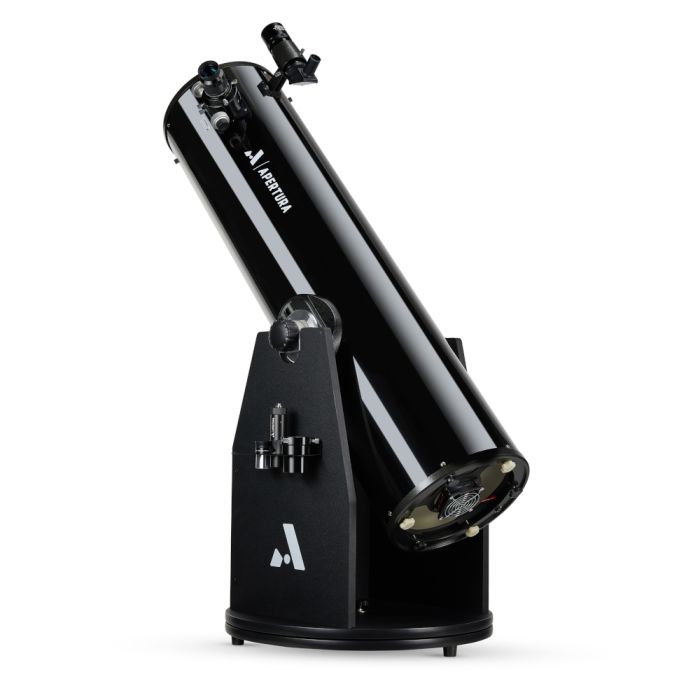
The Apertura AD10 is positioned as a mid-range 10″ Dobsonian reflector, offering a significant aperture jump over entry-level scopes while maintaining a manageable size for backyard astronomy. Priced in the used market roughly between $350 and $1000, it appeals to intermediate and advanced amateur astronomers who want wide-field deep sky views without the complexity or cost of premium models.
Its design emphasizes a balance between light gathering power and transportability. While it is heavier and bulkier than smaller telescopes or compact designs, it remains reasonably portable for a 10″ Dobsonian, especially when outfitted with practical modifications like DIY casters. This model typically includes a Telrad finder, with a variety of optional upgrades such as collimation tools, coma correctors, and better eyepieces available to enhance performance.
Compared to other 10″ Dobsonians like the Sky-Watcher, Orion, and GSO models, the AD10 shares similar aperture and optical specs but distinguishes itself with accessory options and a slightly more adaptable mount design. However, it does not venture into computerized mounts or GoTo systems, keeping the experience manual and traditional.
How the Apertura AD10 Compares on Key Buying Factors
Portability
The AD10 is moderately portable within the Dobsonian class. Its solid wooden base and 10″ aperture mirror make it heavier and less compact than smaller Maksutov-Cassegrain or Schmidt-Cassegrain telescopes (SCTs). Transport typically requires a dedicated vehicle and some setup effort. However, the availability of caster kits or DIY modifications can ease maneuvering in a backyard or observatory setting.
In contrast, SCTs like the C8 or C9.25 models and Maksutov-Cassegrains (C5, C6, or C8) offer a more compact folded optical tube assembly, making them easier for travel or quick setup. Their sealed optical tubes also reduce maintenance and alignment needs, enhancing ease of use on the go.
Aperture and Light Gathering
The 10″ aperture of the AD10 provides a strong light-gathering capability, suitable for rich views of deep sky objects such as galaxies, nebulae, and star clusters. This aperture size is larger than typical Maksutov-Cassegrain models (usually 5″ to 8″) and comparable to SCTs in the 8″ to 9.25″ range, giving the AD10 an edge in brightness and resolution for faint targets.
Larger Dobsonians like the Apertura AD12 or Explore Scientific 16″ push this further, offering significantly greater aperture and improved contrast, but with a substantial increase in size, weight, and price. Buyers face a tradeoff between the enhanced performance of larger apertures and the practical challenges of transport and setup.
Ease of Use and Setup
The AD10’s manual Dobsonian mount is straightforward but requires some effort to align and track celestial objects, especially for beginners. Its open-tube design necessitates occasional collimation and may benefit from coma correctors for optimal wide-field views. The included Telrad finder helps with target acquisition, but the lack of computerized tracking means users must be comfortable with manual star hopping.
SCTs and Maksutov-Cassegrains often come with more compact mounts and sometimes computerized options, offering faster setup and automated tracking. Their closed tubes reduce the need for frequent collimation, making them more user-friendly for casual or travel-focused observers.
Price Considerations
Used AD10 models typically range from $350 to $1000, placing them competitively among mid-range 10″ Dobsonians. SCTs and Maksutov-Cassegrains of similar aperture tend to cost more new, reflecting their compact design and sometimes motorized features. Larger Dobsonians like the AD12 and Explore Scientific 16″ command substantially higher prices, often exceeding $2000, reflecting their premium size and capabilities.
When considering total cost, buyers should factor in potential accessory upgrades for the AD10, such as improved eyepieces, collimation tools, and transport aids, which can add to the initial investment but enhance long-term satisfaction.
Best Fit Scenarios for the Apertura AD10 and Its Alternatives
- Apertura AD10: Ideal for backyard astronomers who prioritize aperture for deep sky observation but can manage moderate transport and setup effort. Suitable for intermediate users willing to invest in occasional maintenance and upgrades.
- SCT (C8/C9.25): Well-suited for observers valuing compactness and portability, including those who travel frequently or need quicker setup times. Great for planetary and lunar viewing, with moderate deep sky capability.
- Maksutov-Cassegrain (C5/C6/C8): Best for users who want a highly portable, low-maintenance telescope with sharp planetary views and good contrast. Less suited for wide-field deep sky observing due to smaller apertures and narrower fields of view.
- Apertura AD12 and Explore Scientific 16″ Dobsonians: Targeted at experienced astronomers prioritizing maximum aperture and light gathering for faint deep sky targets. Appropriate for users with ample storage space, transport means, and willingness to handle larger, heavier equipment.
Less Ideal Scenarios for the Apertura AD10 and Its Alternatives
While the Apertura AD10 hits a solid middle ground, it is less ideal for users who need ultra-portable solutions. Its size and weight make it cumbersome for travel or quick setup in remote locations. Beginners seeking plug-and-play ease or computerized mounts might find the manual Dobsonian mount less accessible.
SCTs and Maksutov-Cassegrains, despite their portability, compromise on aperture and wide-field performance. Users focused on expansive deep sky observation may find their smaller apertures limiting. Conversely, large Dobsonians like the AD16 or Explore Scientific 16″ are impractical for casual or beginner users due to their bulk, price, and complex setup.
Those prioritizing computerized tracking or astrophotography should also look beyond the Apertura AD10 and similar Dobsonians, as these models generally lack integrated electronics and are optimized for visual observing.
Final Shortlist Recommendation
If you are evaluating the Apertura AD10 against alternatives, your choice hinges on your observing priorities:
- Choose the Apertura AD10 if you want the best aperture-to-portability balance in a classic Dobsonian package, enjoy manual star hopping, and plan to observe a broad range of deep sky objects from your backyard.
- Opt for an SCT (C8/C9.25) if you need a compact, transport-friendly telescope with quick setup and good planetary performance, accepting a modest aperture reduction and narrower field of view.
- Consider a Maksutov-Cassegrain for maximum portability and low maintenance, particularly if planetary and lunar observing is your focus, and wide-field deep sky views are secondary.
- Step up to larger Dobsonians like the Apertura AD12 or Explore Scientific 16″ if your top priority is maximum light gathering for deep sky targets and you have the space and means to manage larger equipment.
Ultimately, the Apertura AD10 remains a compelling choice for value-conscious amateur astronomers seeking a mid-sized Dobsonian with solid optics and upgrade potential. However, if portability or ease of use is paramount, compact SCTs or Maksutov-Cassegrains offer practical alternatives. For those seeking a significant aperture increase and willing to accept the associated challenges, larger Dobsonians open new observing possibilities.
More Shopping Guide Articles
- Apertura AD10 Review: A Mid-Range 10" Dobsonian for Serious Stargazers
- Buying Guide: How to Choose the Right 10" Dobsonian Telescope Like the Apertura AD10
- Apertura AD10 vs Sky-Watcher 10" Dobsonian: Which 10" Dobsonian Offers Better Value?
- Apertura AD10 vs Orion 10" Dobsonian: Stability and Optics in the 10" Dobsonian Class