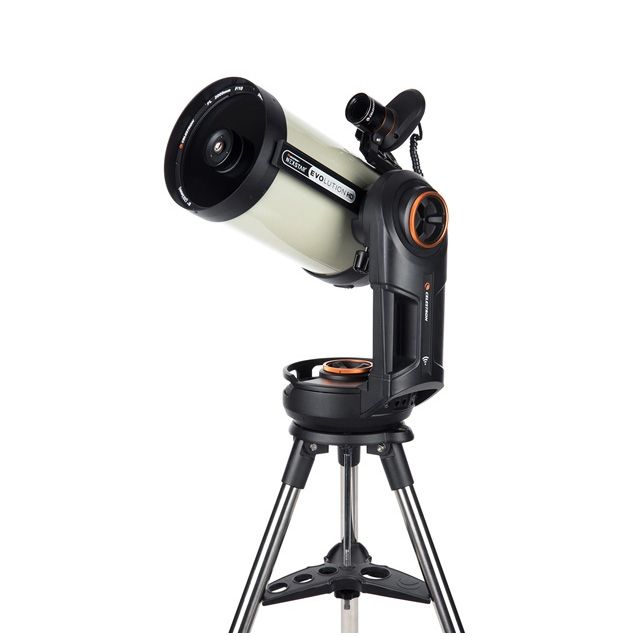

Celestron NexStar Evolution 8 vs Meade LX600 Series: Which Computerized Telescope Wins?
Choosing between two leading computerized telescopes like the Celestron NexStar Evolution 8 and the Meade LX600 Series is a critical decision for serious amateur astronomers. Both promise advanced GoTo capabilities, impressive optics, and the convenience of automated tracking, but they differ in mount design, portability, price, and setup complexity—factors that directly affect your observing experience. This detailed head-to-head comparison breaks down these differences clearly to help you select the best fit for your observing style, budget, and portability needs.
Quick Verdict
The Celestron NexStar Evolution 8 offers a balanced package with excellent optical quality, integrated wireless control, and moderate portability, making it ideal for serious visual observers who value convenience and some degree of mobility. Meanwhile, the Meade LX600 Series delivers comparable optics with a more robust, stable mount and advanced tracking, better suited for users prioritizing mount stability and are less concerned about weight or setup time. If portability and ease of wireless control are priorities, Celestron edges ahead; if you want maximum mount rigidity and are willing to manage a heavier setup, Meade is the stronger contender.
Key Differences at a Glance
- Optical Quality: Both offer excellent 8-inch apertures with high-quality optics; Meade uses a similar advanced optical design matching Celestron’s EdgeHD performance.
- Mount Design & Stability: Meade LX600 employs a more solid, equatorial fork mount with superior vibration dampening, while NexStar Evolution 8 features a Schmidt-Cassegrain mount optimized for portability.
- Portability & Weight: NexStar Evolution 8 is noticeably lighter and easier to transport; Meade LX600 is heavier, impacting mobility.
- Ease of Setup & Use: Celestron’s integrated WiFi and built-in battery simplify setup and wireless control; Meade may require more time and experience for precise alignment.
- Price: NexStar Evolution 8 generally comes at a lower price point, offering strong value; Meade LX600 commands a premium reflecting its mount sophistication.
Price and Value
Price plays a decisive role when weighing the NexStar Evolution 8 against the Meade LX600. The NexStar Evolution 8 typically retails between $800 and $1200, with some variations depending on package and retailer. This price includes the 8-inch EdgeHD optical tube, computerized GoTo mount, integrated lithium-iron phosphate battery, and wireless control capabilities. Its value proposition lies in combining high-performance optics with convenient, self-contained power and control in a package accessible to intermediate and advanced users.
The Meade LX600 Series, by contrast, is generally positioned at a higher price point. This reflects its sturdier mount and enhanced tracking features, often appealing to more dedicated observers or those with astrophotography ambitions. While the LX600’s price premium is justified by the mount’s stability and advanced electronics, buyers should assess if the additional cost aligns with their actual use cases, especially if portability and simplified setup are priorities.
In summary:
- NexStar Evolution 8: Offers strong value for users seeking a balance of performance and mobility at a mid-range price.
- Meade LX600 Series: Commands higher investment but delivers superior mount stability and tracking for users focused on precision and potentially astrophotography.
Performance and Practical Use
Both telescopes feature an 8-inch aperture, enabling substantial light gathering for crisp lunar, planetary, and many deep-sky observations. The NexStar Evolution 8 employs Celestron’s EdgeHD optical design, which corrects for common aberrations to produce flat, sharp star fields—ideal for visual astronomy and casual astrophotography with supplementary equipment.
Meade’s LX600 Series uses comparable optical technology, delivering similarly sharp images. The real differentiator here is mount stability and tracking precision. The LX600’s equatorial fork mount provides enhanced stability, reducing vibrations during viewing and allowing longer exposure astrophotography sessions with less star trailing. In contrast, the NexStar Evolution 8’s mount, while solid for visual use, can be less forgiving during extended imaging sessions, especially at high magnifications.
For practical use:
- NexStar Evolution 8: Excels in visual observation scenarios, including urban and light-polluted environments, where quick setup and GoTo convenience matter most.
- Meade LX600 Series: Better suited for users who prioritize mount stability for high-precision tracking, including intermediate astrophotography.
However, the NexStar’s 2000mm focal length can limit deep-sky astrophotography potential without additional guiding and corrective accessories, while the Meade’s stable mount better supports such uses.
Ease of Setup / Ease of Use
Setup and user experience are crucial for maximizing telescope enjoyment. The NexStar Evolution 8 benefits from integrated WiFi and a built-in rechargeable lithium-iron phosphate battery, allowing users to control the scope wirelessly via smartphone or tablet apps without external power sources. This reduces cable clutter and setup time, particularly appealing for backyard astronomers who want fast, hassle-free access to the night sky.
Conversely, the Meade LX600 Series, while featuring advanced computerized GoTo technology, generally requires a more methodical setup process. Its mount and control software can be more complex, demanding familiarity with equatorial mount alignment procedures such as polar alignment. This can lengthen initial setup but pays off in improved tracking accuracy. The LX600 lacks the NexStar’s integrated wireless power system, typically relying on external power and wired controllers, which adds to setup complexity and reduces portability.
In terms of user interface:
- NexStar Evolution 8: Wireless connectivity and app integration simplify navigation and object finding but can occasionally suffer from connectivity hiccups.
- Meade LX600 Series: Offers a robust, professional-grade control system with detailed alignment options, better suited for users comfortable with more technical setups.
Accessories / Feature Completeness
The NexStar Evolution 8 package typically includes the optical tube assembly with EdgeHD corrector lenses, the computerized GoTo mount with integrated battery, and wireless control via compatible apps. This all-in-one approach means fewer additional accessories are required out of the box for standard visual observing. The built-in power supply is a significant convenience, eliminating the need for external batteries or cords during typical sessions.
Meade’s LX600 Series, while equipped with a highly stable mount and comparable optics, often requires separate purchases for power supplies, additional eyepieces, or imaging accessories depending on user needs. Its feature set emphasizes mount precision and tracking stability rather than integrated convenience. The LX600 may also offer optional upgrades like advanced autoguiders and heavier-duty tripods to support astrophotography ambitions.
To summarize accessory and feature differences:
- NexStar Evolution 8: More self-contained with integrated power and wireless control—great for users seeking simplicity.
- Meade LX600 Series: More modular with potential for customization but requires more initial investment in accessories for full functionality.
Which Buyer Should Choose Which Option?
Choose the Celestron NexStar Evolution 8 if you:
- Prefer a moderately portable telescope that you can easily transport and set up for spontaneous observing sessions.
- Value integrated wireless control and built-in battery power to minimize cables and external gear.
- Focus primarily on visual astronomy, including planetary, lunar, and bright deep-sky object viewing.
- Want a telescope that balances performance and price, delivering strong value without a steep learning curve.
Opt for the Meade LX600 Series if you:
- Require a highly stable, vibration-resistant mount for precise tracking and astrophotography.
- Are comfortable with more complex setup procedures, including polar alignment, and want advanced control options.
- Do not mind the additional weight and bulk for the sake of mount rigidity and performance.
- Plan to invest in additional accessories and power solutions to customize your setup for imaging or extended sessions.
In essence, the NexStar Evolution 8 is tailored to serious observers who want a powerful, user-friendly telescope with some portability. The Meade LX600 targets enthusiasts prioritizing mount quality and tracking precision, often at the cost of simplicity and portability.
Conclusion: Final Recommendation
Both the Celestron NexStar Evolution 8 and Meade LX600 Series excel as computerized telescopes with GoTo automation and comparable optical performance. Your choice hinges on what aspects of the observing experience you prioritize most.
If your primary goal is straightforward, high-quality visual astronomy with the convenience of wireless control and built-in power, the NexStar Evolution 8 offers exceptional value and portability. Its EdgeHD optics and integrated features make it a top pick for backyard astronomers and those who want reliable performance with less setup hassle.
On the other hand, if you seek a superior mount for astrophotography or observing sessions where tracking stability is paramount, and you are willing to manage a heavier, more complex system, the Meade LX600 Series delivers enhanced mount rigidity and advanced alignment capabilities that justify its higher price and setup demands.
Ultimately, the NexStar Evolution 8 suits users valuing balance and convenience, while the Meade LX600 appeals to those focused on mount precision and are comfortable investing time and money into a professional-grade system. Assess your observing environment, portability needs, and technical comfort to select the computerized telescope that will best elevate your stargazing experience.
More Shopping Guide Articles
- Celestron NexStar Evolution 8 Review: Performance and Portability for Intermediate Astronomers
- Buying Guide: How to Choose the Right Computerized Telescope Like the NexStar Evolution 8
- NexStar Evolution 8 vs Other Computerized Telescopes with Automated Tracking: Finding the Best Fit
- Top Alternatives to the Celestron NexStar Evolution 8: Dobsonian Telescopes with Digital Aids