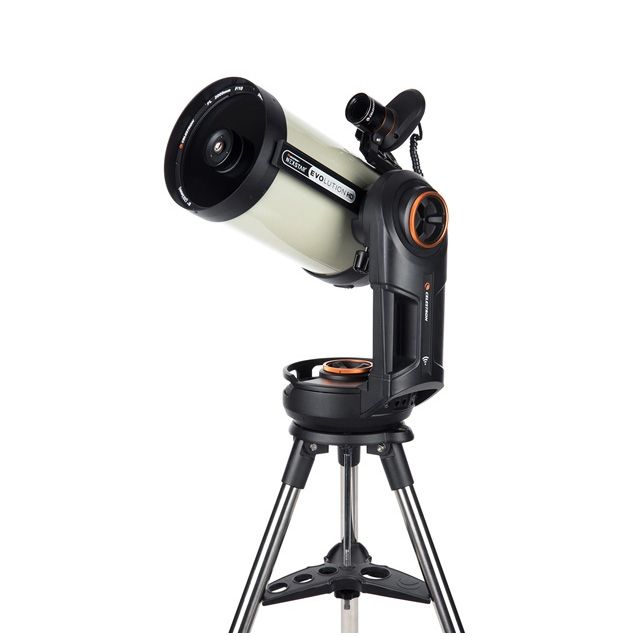

Celestron NexStar Evolution 8 Review: Performance and Portability for Intermediate Astronomers
If you’re an intermediate or advanced amateur astronomer looking for a computerized telescope that balances solid optical performance with modern automation and reasonable portability, the Celestron NexStar Evolution 8 is likely on your radar. This review digs into what sets this 8-inch EdgeHD Schmidt-Cassegrain apart, where it demands compromises, and who will ultimately benefit from its feature set and design choices.
Quick Verdict
The Celestron NexStar Evolution 8 offers impressive optical clarity through its EdgeHD corrector lens system and a reliable computerized GoTo mount with integrated wireless control. Its built-in lithium battery adds freedom from external power sources, making it a practical choice for backyard stargazing and moderate travel. However, its relatively hefty bulk and setup complexity mean it’s less suited for users prioritizing ultra-portability or beginners intimidated by alignment procedures. Overall, it’s a capable telescope that delivers excellent performance for visual astronomy but requires acceptance of its size and learning curve.
What This Product Does Well
The NexStar Evolution 8 shines most clearly in three core areas: optical quality, computerized automation, and power integration.
- Optical Performance with EdgeHD Technology: The 8-inch aperture paired with Celestron’s EdgeHD design means you get sharp, flat-field images across the entire field of view. This minimizes common Schmidt-Cassegrain aberrations such as coma and spherical distortion, enhancing views of planets, the moon, and brighter deep-sky objects. The 2000mm focal length allows for high magnification, which is ideal for detailed planetary observation.
- Computerized GoTo and Wireless Control: The NexStar Evolution 8’s mount incorporates a well-regarded GoTo system that reliably locates thousands of celestial objects. It features integrated WiFi, enabling control via smartphone or tablet apps without additional adapters. This wireless setup simplifies object finding and tracking, which is a major advantage over manual scopes, especially in light-polluted areas or when hunting for faint objects.
- Built-in Lithium Battery: Unlike many computerized telescopes that rely on external power packs or frequent battery swaps, the Evolution 8 includes an internal lithium-iron phosphate battery. This provides several hours of observing time per charge and reduces cable clutter, enhancing portability and convenience.
These strengths combine to create a telescope that feels modern, capable, and relatively user-friendly for those comfortable with computerized mounts.
The Compromises Buyers Need to Understand
Despite its strengths, the NexStar Evolution 8 demands some tradeoffs that prospective buyers should weigh carefully.
- Portability and Weight: At roughly 35 pounds when assembled, this telescope is not ultra-lightweight. While portable enough to move between home, car, and dark-sky sites, it’s bulkier than smaller computerized scopes or manual Dobsonians designed purely for transport ease. Storage space and carrying logistics become important considerations, especially if frequent travel or backpacking is planned.
- Setup Complexity and Learning Curve: The computerized GoTo system requires initial calibration through star alignment, which can feel daunting for beginners. The wireless connectivity is convenient but prone to occasional dropouts or interference, necessitating troubleshooting that casual users might find frustrating. The mount’s automation speeds up observing once mastered, but expect some time investment upfront.
- Astrophotography Limitations: While the optical system is sharp, the long focal length and mount tracking precision limit deep-sky astrophotography capabilities without additional equipment like autoguiders or heavy-duty mounts. This telescope excels at visual astronomy but isn’t the best standalone choice for serious astrophotographers.
These are not deal-breakers for many, but they define the scope’s sweet spot and who will find it most rewarding.
Real-World Use Cases and Beginner Experience
In practice, the NexStar Evolution 8 performs well for backyard stargazing, casual trips to dark-sky locations, and targeted planetary or lunar viewing sessions. The 8-inch aperture gathers enough light to reveal planetary details and brighter deep-sky objects, even from moderately light-polluted urban or suburban environments.
Beginners stepping up from entry-level manual telescopes will appreciate the automation but should be prepared for a learning curve. The initial star alignment requires clear skies and some patience, and while the smartphone control is intuitive once connected, wireless hiccups can interrupt sessions. Users who invest time mastering the setup will enjoy swift object finding and smooth tracking, saving hours otherwise spent manual searching.
- Perfect for observers who want to explore Messier objects, planets, and the moon with minimal manual searching.
- Suitable for those who want a powered telescope without tangled cables or extra power packs.
- Less friendly to users who want a quick “point and look” experience without any setup steps.
In comparison to manual Dobsonians with digital setting circles, the NexStar Evolution 8 offers automation at the cost of increased complexity and weight. Compared to other computerized scopes like the Meade LX600, it is lighter and more portable but sacrifices some mount stability and astrophotography readiness.
Who Should Buy It
The NexStar Evolution 8 is a strong candidate for:
- Intermediate to Advanced Amateur Astronomers who want a reliable computerized telescope that balances optical quality with automation.
- Observers prioritizing visual astronomy — particularly those interested in planetary detail and moderate deep-sky viewing where the 8-inch aperture and EdgeHD optics shine.
- Users seeking portability without sacrificing aperture — those who want a telescope they can reasonably transport for weekend trips without investing in heavy-duty astrophotography gear.
- Buyers wanting integrated power solutions — the built-in lithium battery is a practical convenience for field use.
- Those comfortable with moderate setup effort — users willing to invest time learning computerized alignment and troubleshooting wireless connectivity.
Who Should Not Buy It
This telescope may not be the best fit for:
- Beginners seeking a plug-and-play experience — if you want minimal setup and no calibration, the NexStar Evolution 8’s alignment requirements and app connectivity can be frustrating.
- Travel-first buyers who prioritize ultra-lightweight, compact scopes for backpacking or air travel; the scope’s size and weight make it less convenient for these scenarios.
- Serious deep-sky astrophotographers looking for a mount and optical system capable of long exposure imaging without additional expensive accessories.
- Those on a tight budget — while offering good value for features, the $800-$1200 price point is higher than many entry-level or manual options that prioritize aperture over automation.
Final Recommendation
The Celestron NexStar Evolution 8 stands out as a thoughtfully designed computerized telescope that delivers on its promise of strong optical performance combined with modern automation and portability that fits most home and local field observing routines. It excels for intermediate users who want to upgrade from manual scopes and appreciate the convenience of wireless control and integrated power.
However, its size and complexity mean it’s not the ideal first telescope for novices seeking out-of-the-box simplicity or for travelers needing ultra-light gear. If you value crisp planetary views, a dependable GoTo system, and the freedom of a built-in battery, and you’re ready to invest time mastering setup, this telescope offers a compelling blend of features and value.
For those prioritizing pure portability or easy manual operation, alternative options like Dobsonian telescopes with digital aids may be more suitable. But for astronomers ready to evolve their observing experience with a capable, computerized 8-inch scope, the NexStar Evolution 8 is a smart investment.
More Shopping Guide Articles
- Buying Guide: How to Choose the Right Computerized Telescope Like the NexStar Evolution 8
- Celestron NexStar Evolution 8 vs Meade LX600 Series: Which Computerized Telescope Wins?
- NexStar Evolution 8 vs Other Computerized Telescopes with Automated Tracking: Finding the Best Fit
- Top Alternatives to the Celestron NexStar Evolution 8: Dobsonian Telescopes with Digital Aids