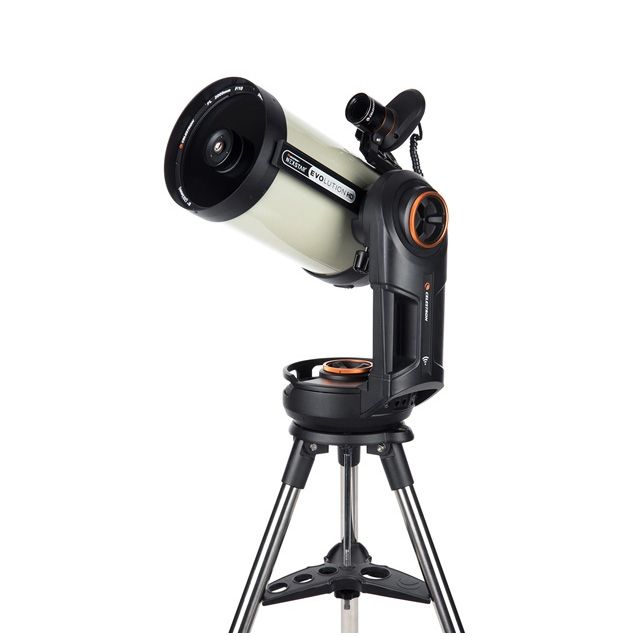

Buying Guide: How to Choose the Right Computerized Telescope Like the NexStar Evolution 8
Choosing a computerized telescope can be a rewarding step for anyone looking to deepen their experience in backyard astronomy or dabble in astrophotography. The Celestron NexStar Evolution 8 serves as a solid example of what an intermediate-level computerized telescope offers, balancing automation, optical quality, and portability. This guide helps you understand the key factors to consider before buying such a telescope, so you can decide if a model like the NexStar Evolution 8 fits your needs or if another approach might be better.
What Buyers Should Decide Before Choosing This Product
Before investing in a computerized telescope like the NexStar Evolution 8, buyers should clarify their primary goals and constraints. Are you mainly interested in visual astronomy, such as observing planets, the Moon, and bright deep-sky objects from your backyard? Or are you hoping to pursue astrophotography, which demands more precise tracking and sometimes additional equipment? Understanding your main use case shapes which features and tradeoffs matter most.
Next, consider your observing environment. Is your viewing location affected by light pollution? The NexStar Evolution 8’s 8-inch aperture gathers substantial light, which helps in moderate light-polluted conditions, but it’s not a substitute for dark skies if you want to see faint deep-sky targets. Finally, ask yourself how important portability is. This model offers decent portability for an 8-inch Schmidt-Cassegrain but is not ultralight or compact.
Clarifying these points upfront helps filter options effectively. For example, if you prioritize lightweight travel scopes or deep-sky astrophotography, a different product or setup might serve you better than this model.
Key Decision Factors
Aperture and Focal Length: Balancing Light Gathering and Magnification
The NexStar Evolution 8’s 8-inch aperture (about 200mm) and 2000mm focal length represent a classic Schmidt-Cassegrain design offering a high focal ratio. This size provides a significant jump in light-gathering compared to smaller scopes, allowing you to see dimmer objects and finer planetary details. However, larger aperture telescopes tend to be bulkier and heavier, impacting portability.
Buyers must balance aperture with intended use: larger apertures enhance visual performance and light collection but increase weight and setup complexity. The fixed focal length means high magnification is inherent, which is great for lunar and planetary views but less ideal for wide-field deep-sky imaging without additional accessories.
Computerized GoTo and Tracking Features: Convenience vs Complexity
One of the biggest advantages of the NexStar Evolution 8 is its computerized GoTo mount with integrated WiFi control and a built-in lithium-iron phosphate battery. This system automates locating and tracking objects, making it easier to focus on observation rather than manual star-hopping.
However, this convenience comes with tradeoffs. The setup and alignment process requires some learning, and wireless connectivity may occasionally be unstable. Unlike simpler manual scopes, you’ll need to invest time in mastering the technology and troubleshooting occasional glitches.
Portability vs Stability: Finding Your Balance
Portability is often a compromise between ease of transport and stable, vibration-free observation. The NexStar Evolution 8 is portable enough to move around your backyard or take on short trips but is heavier and bulkier than smaller computerized or manual telescopes. This means you’ll likely need a car for transport and a dedicated storage space at home.
If you prioritize maximum portability or plan to hike to remote dark-sky sites, lighter models or smaller apertures might be preferable. Conversely, if you want stable tracking and higher optical performance, accepting some weight is reasonable.
Battery and Connectivity Options: Powering Your Sessions
The built-in lithium-iron phosphate battery is a notable feature that frees you from needing external power during typical sessions, offering several hours of use. This adds convenience and reduces cable clutter. Additionally, integrated WiFi allows wireless control from smartphones and tablets, which can simplify operations compared to hand controllers.
Still, wireless control can sometimes be less reliable than wired connections, and battery life limits the length of uninterrupted sessions. Buyers should consider whether they need longer power capacity or prefer wired stability, especially if planning extended observing nights or astrophotography.
Setup and Alignment Complexity: Learning Curve Considerations
Computerized telescopes like the NexStar Evolution 8 require initial setup steps such as polar alignment (for tracking accuracy) and star alignment to calibrate the GoTo system. While the integrated software and apps guide users through these steps, beginners may find the process challenging at first.
If ease of use with minimal setup is a priority, consider simpler manual telescopes or models with “push-to” digital aids that require less calibration. But if you’re willing to invest time learning, the automation payoff can be substantial.
Where the NexStar Evolution 8 Fits Well
This telescope excels for intermediate users who want a serious step up from beginner models without jumping into highly specialized astrophotography gear. Its 8-inch aperture and computerized GoTo system make it well-suited for:
- Visual astronomy enthusiasts who want detailed views of planets, the Moon, and brighter deep-sky objects.
- Observers who frequently view from suburban or moderately light-polluted locations, benefiting from the light-gathering power.
- Users valuing automated object locating and tracking but who can manage a moderate learning curve for setup and alignment.
- Backyard astronomers who can accommodate its size and weight but still want some degree of portability for local transport.
- Those who appreciate integrated features such as built-in battery power and wireless control for convenience during observing sessions.
In these scenarios, the NexStar Evolution 8 offers a compelling blend of performance and features at a mid-range price point (typically $800–$1200), delivering solid value for its capabilities.
Where It Is the Wrong Fit
The NexStar Evolution 8 is not an ideal choice if your priorities include:
- Ultra-portability: Its size and weight make it less suitable for backpacking, air travel, or quick setups in tight spaces.
- Deep-sky astrophotography: While it supports visual observing and beginner astrophotography, the focal length and mount tracking precision limit serious imaging without additional accessories.
- Beginners seeking plug-and-play simplicity: The setup and alignment process requires patience and learning, which may frustrate those expecting instant use.
- Budget-constrained buyers: Although competitively priced for its class, there are less expensive manual or smaller computerized scopes that offer good value for purely visual use.
- Users needing extended power or wired control: Sessions longer than several hours may require external power, and some users prefer the reliability of wired hand controllers over WiFi.
In these cases, alternatives like Dobsonian telescopes with digital aids or smaller computerized scopes might be more appropriate, depending on your specific needs.
What Kind of Buyer Should Choose the NexStar Evolution 8
This telescope suits buyers who:
- Have some astronomy experience and are ready to upgrade from entry-level models to a more capable instrument.
- Value a strong combination of aperture and automated features, especially for visual observation of planets and brighter deep-sky objects.
- Are comfortable investing time in learning setup, alignment, and app-based controls to fully leverage computerized GoTo capabilities.
- Have a dedicated space for storing a moderately sized telescope and transportation means that accommodate its weight and size.
- Prefer integrated power solutions and wireless control to reduce cabling and simplify setup during backyard sessions.
Buyers matching these criteria will find the NexStar Evolution 8 a balanced tool that enhances their astronomy experience without the complexity or expense of professional-grade equipment.
Final Buying Advice
When considering a computerized telescope like the NexStar Evolution 8, focus on how your priorities align with its strengths and compromises rather than just feature lists. Ask yourself these practical questions:
- Do you want an 8-inch aperture that offers strong light-gathering but comes with a moderate increase in size and weight?
- Are you willing to invest time in learning computerized setup and alignment to gain automated GoTo convenience?
- Is your primary use visual astronomy from a home or backyard location, with occasional transport by car?
- Can you manage session lengths within the built-in battery life or have access to external power sources?
- Would wireless control via smartphone apps enhance your experience, or would you prefer simpler wired controls?
If you answer yes to most of these, the NexStar Evolution 8 offers a solid balance of optical performance, automation, and usability at a reasonable price point. However, if portability, ease of use, or astrophotography precision are top priorities, consider alternative designs such as smaller computerized telescopes, Dobsonian models with digital aids, or specialized astrophotography mounts.
Ultimately, the best computerized telescope is one that fits your observing style, environment, and willingness to engage with the technology. The NexStar Evolution 8 anchors the mid-tier market with strong value and features, making it a practical choice for intermediate astronomers ready to evolve their stargazing experience.
More Shopping Guide Articles
- Celestron NexStar Evolution 8 Review: Performance and Portability for Intermediate Astronomers
- Celestron NexStar Evolution 8 vs Meade LX600 Series: Which Computerized Telescope Wins?
- NexStar Evolution 8 vs Other Computerized Telescopes with Automated Tracking: Finding the Best Fit
- Top Alternatives to the Celestron NexStar Evolution 8: Dobsonian Telescopes with Digital Aids