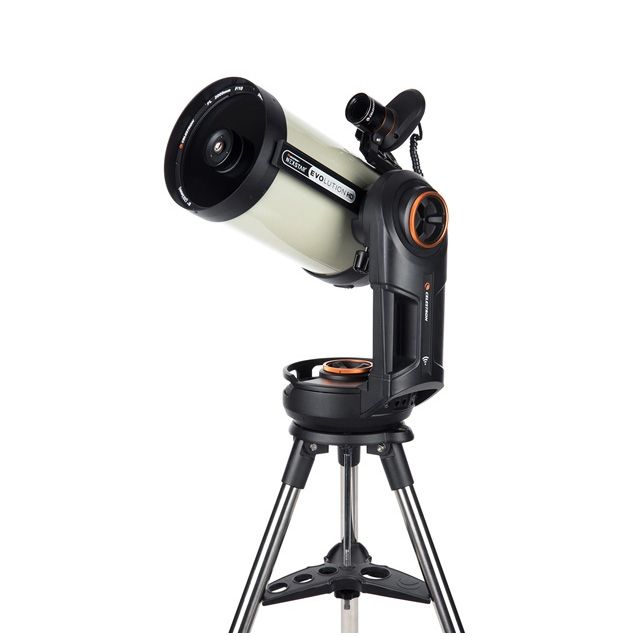

NexStar Evolution 8 vs Other Computerized Telescopes with Automated Tracking: Finding the Best Fit
For intermediate to advanced astronomy enthusiasts, choosing a computerized telescope with automated tracking involves balancing precision, convenience, and portability. The Celestron NexStar Evolution 8 stands out as a popular option thanks to its integrated features and solid optical design. However, the landscape includes several other computerized telescopes that differ in mount design, tracking accuracy, connectivity, and user experience. This comparison looks beyond just the NexStar Evolution 8 to examine how it stacks up against the broader field of computerized telescopes with automated tracking — helping you identify which scope aligns best with your observing goals and practical needs.
Quick Verdict
The Celestron NexStar Evolution 8 offers a compelling combination of an 8-inch aperture, integrated battery power, and wireless connectivity, making it an excellent choice for users valuing ease of control and moderate portability. However, when stacked against other computerized telescopes with automated tracking, it reveals tradeoffs: its mount design optimizes portability but may sacrifice some tracking precision and stability found in heavier, more robust mounts. Additionally, while its wireless features add convenience, they can sometimes introduce connectivity challenges. Buyers prioritizing the smoothest tracking and mount stability might find alternatives better suited, whereas those wanting a blend of optical power, convenience, and a familiar interface will appreciate the NexStar Evolution 8’s thoughtful integration.
Key Differences at a Glance
| Feature | Celestron NexStar Evolution 8 | Other Computerized Telescopes with Automated Tracking |
|---|---|---|
| Mount Design | Schmidt-Cassegrain fork mount optimized for portability and ease of setup | Varied (equatorial, alt-azimuth, fork), often heavier and designed for maximum stability |
| Tracking Accuracy | Reliable for visual observation and casual astrophotography, limited for long-exposure deep-sky | Some models offer superior tracking suited for astrophotography with robust vibration dampening |
| Connectivity | Integrated WiFi and built-in lithium-iron phosphate battery for wireless control | Range from wired connections to Bluetooth and WiFi; battery integration varies widely |
| User Interface | Smart device apps via WiFi with intuitive GoTo controls, but some users report glitches | Interfaces vary from hand controllers to advanced app ecosystems, some with steeper learning curves |
| Weight and Portability | Moderately portable; heavier than manual scopes but lighter than some high-end computerized mounts | Generally heavier and bulkier, prioritizing stability over portability |
Price and Value
In the price range of approximately $800 to $1200, the NexStar Evolution 8 offers strong value by bundling an 8-inch EdgeHD optical tube with a computerized GoTo mount, integrated battery, and WiFi connectivity. This combination reduces the need to purchase power supplies or additional wireless modules separately, simplifying the initial investment.
Other computerized telescopes with automated tracking span a broad price spectrum. Some offer advanced equatorial mounts or larger apertures but at significantly higher costs, often exceeding the NexStar Evolution 8’s price by hundreds or even thousands of dollars. Conversely, some less expensive models compromise on aperture or tracking precision, targeting entry-level users.
Value for money depends heavily on what features you prioritize:
- NexStar Evolution 8: Strong overall package for visual astronomy, especially for users wanting portability combined with automation and wireless convenience.
- Other computerized telescopes: Higher-priced models may justify cost with enhanced tracking precision and mount stability, better suited for astrophotography, but with tradeoffs in portability and complexity.
Ultimately, if your budget aligns with the NexStar Evolution 8 range, it represents a balanced value for those focused on visual use and moderate portability. Buyers with specialized astrophotography ambitions may need to invest more in alternative models.
Performance and Practical Use
The NexStar Evolution 8’s 8-inch EdgeHD optics deliver bright, sharp images with minimal aberrations, making it well-suited for viewing planets, lunar features, and many deep-sky objects under moderate light pollution. Its 2000mm focal length offers high magnification potential, beneficial for detailed planetary observation.
In terms of tracking, the Evolution 8’s computerized GoTo system reliably locates and tracks celestial objects, simplifying sessions for users less inclined to manual star-hopping. However, the alt-azimuth fork mount design, while easier to handle, introduces limitations for long-exposure astrophotography due to field rotation and less stable tracking over extended periods.
Other computerized telescopes with automated tracking often include equatorial mounts or hybrid designs that provide superior tracking accuracy and vibration dampening, crucial for astrophotographers aiming for long exposures. Such mounts typically require more time to polar align and can be heavier and less portable.
Performance tradeoffs to consider:
- NexStar Evolution 8 excels in quick setup and ease of visual observation but is less optimized for demanding astrophotography.
- Other computerized scopes may offer enhanced tracking precision and mount stability, benefiting users prioritizing astrophotography or long-term tracking accuracy at the cost of portability and setup simplicity.
Ease of Setup / Ease of Use
The NexStar Evolution 8 integrates features aimed at reducing setup friction: a built-in lithium battery eliminates external power cables, and its WiFi module enables control through smartphones or tablets using user-friendly apps. The computerized GoTo system automates alignment procedures, although a learning curve exists to achieve efficient and reliable calibration.
In comparison, other computerized telescopes vary widely. Some offer hand controllers with traditional button interfaces, while others rely on app-based control that may be more complex or require additional accessories. Mount types affect setup complexity; equatorial mounts typically require more precise alignment and balancing than the Evolution 8’s fork mount, potentially increasing setup time and user frustration for less experienced astronomers.
Practical considerations for ease of use include:
- NexStar Evolution 8: Wireless control and integrated power ease use in backyard or casual sessions, but connectivity can be intermittent and requires familiarity with the app ecosystem.
- Other computerized telescopes: May demand more extensive setup and alignment, especially for astrophotography purposes, but can reward users with more stable tracking once configured.
For buyers prioritizing minimal setup hassle and modern wireless convenience, the NexStar Evolution 8 generally offers a smoother initial experience. Those willing to invest time mastering more complex mounts may benefit from the tracking advantages of alternatives.
Accessories / Feature Completeness
The NexStar Evolution 8 comes equipped with several notable features out of the box:
- 8-inch EdgeHD optical tube delivering enhanced image quality
- Computerized GoTo mount with a database of thousands of celestial objects
- Integrated WiFi allowing control via smartphone or tablet apps
- Built-in lithium-iron phosphate battery providing several hours of power
- StarSense auto-alignment compatibility (depending on configuration)
These integrated features reduce the need for additional purchases, streamlining the user experience. However, the scope typically does not include specialized astrophotography equipment like field flatteners (beyond EdgeHD correctors), autoguiders, or advanced polar alignment accessories.
Other computerized telescopes with automated tracking often come with or support a broader ecosystem of accessories, especially for astrophotography. This can include:
- Dedicated equatorial mounts with precise motorized drives
- Advanced hand controllers or PC interfaces
- Enhanced vibration dampening and counterweights for stability
- Modular power solutions, sometimes requiring external battery packs
This feature completeness often reflects a focus on specialized use cases but may increase upfront and operational complexity.
Which Buyer Should Choose Which Option
Choosing between the NexStar Evolution 8 and other computerized telescopes with automated tracking depends on your priorities and typical observing scenarios.
Choose the Celestron NexStar Evolution 8 if you:
- Want a well-rounded telescope optimized for visual astronomy with automation and wireless control
- Value an integrated power solution to avoid external cables and power packs
- Prefer a mount design that balances portability and ease of setup for backyard or occasional field use
- Are comfortable using smartphone or tablet apps for telescope control and object locating
- Focus primarily on observing planets, the moon, and bright deep-sky objects rather than demanding astrophotography
Consider other computerized telescopes with automated tracking if you:
- Require superior tracking accuracy and mount stability for long-exposure astrophotography
- Are comfortable investing additional time in mount alignment and setup complexity, such as polar alignment of equatorial mounts
- Prefer a traditional hand controller or a more customizable control interface over integrated WiFi
- Prioritize mount robustness and vibration dampening over portability and ease of transport
- Are willing to invest more upfront for specialized features and accessories suited to advanced observational or imaging goals
Conclusion
The Celestron NexStar Evolution 8 stands as a versatile, thoughtfully integrated computerized telescope that meets the needs of many intermediate and advanced users seeking a balance between automation, optical quality
More Shopping Guide Articles
- Celestron NexStar Evolution 8 Review: Performance and Portability for Intermediate Astronomers
- Buying Guide: How to Choose the Right Computerized Telescope Like the NexStar Evolution 8
- Celestron NexStar Evolution 8 vs Meade LX600 Series: Which Computerized Telescope Wins?
- Top Alternatives to the Celestron NexStar Evolution 8: Dobsonian Telescopes with Digital Aids