
Top Alternatives to the Celestron NexStar Evolution 8: Dobsonian Telescopes with Digital Aids
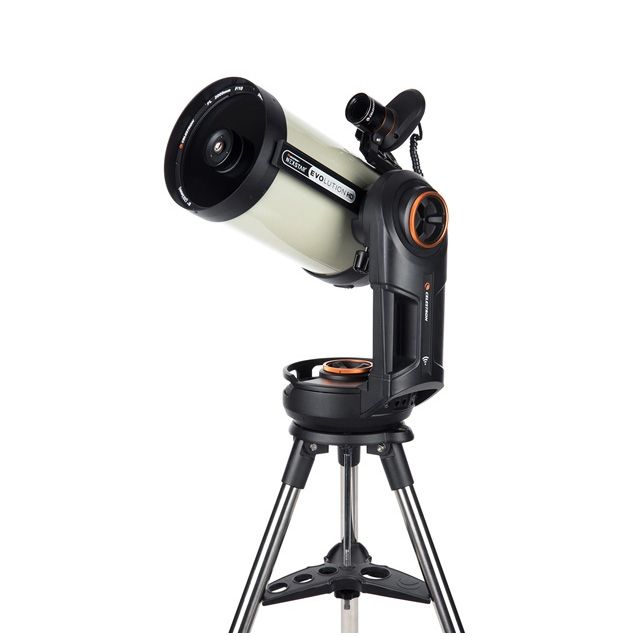
For stargazers aiming to combine strong light-gathering power with manageable costs, the Celestron NexStar Evolution 8 often stands out as a popular option. Its 8-inch aperture paired with a computerized GoTo mount offers automated object location and tracking, appealing to intermediate and advanced users who value convenience and decent portability. However, this blend of features comes with tradeoffs that may not suit every buyer’s priorities, especially those who want larger apertures, simpler mechanical designs, or better value.
This article explores why buyers consider the NexStar Evolution 8, when it might not be the right fit, and how manual Dobsonian telescopes enhanced with digital aids—like digital setting circles or smartphone apps—can serve as compelling alternatives. These options emphasize aperture size and value, catering to users comfortable with manual pointing but who still want some digital assistance to locate celestial objects efficiently.
Why Buyers Consider the Celestron NexStar Evolution 8
The NexStar Evolution 8 is widely appreciated for its combination of an 8-inch aperture and a computerized GoTo system housed in a Schmidt-Cassegrain optical design. Buyers often turn to it for several reasons:
- Balanced aperture and portability: With an 8-inch diameter, this telescope gathers substantial light for detailed views of planets, the Moon, and many deep-sky objects while remaining portable enough to move between observing sites without specialized transport gear.
- Automated object finding: Its integrated computerized GoTo mount, supported by WiFi control and a built-in lithium-iron phosphate battery, simplifies finding and tracking thousands of celestial targets. This automation lowers the barrier for users less familiar with night sky navigation.
- Optical quality and versatility: The EdgeHD optics provide sharp, flat-field images that minimize aberrations common in other Schmidt-Cassegrain scopes, making it suitable for visual astronomy and casual astrophotography.
- Integrated power and wireless control: The built-in battery eliminates the need for external power sources during observing sessions, and wireless device integration offers convenient remote operation.
These features make the NexStar Evolution 8 a strong candidate for intermediate to advanced amateur astronomers who want a “plug-and-play” experience that balances aperture, automation, and manageable portability.
When the Celestron NexStar Evolution 8 Is the Wrong Fit
Despite its strengths, the NexStar Evolution 8 may not align with every buyer’s needs. Key situations where it might be less suitable include:
- Priority on aperture size for visual observation: Buyers seeking the largest possible aperture for the price might find better value in manual Dobsonian telescopes, which typically offer larger mirrors at similar or lower price points.
- Preference for simplicity and low-tech mechanical designs: Users intimidated by computerized alignment procedures or wireless connectivity quirks may prefer more straightforward manual scopes with fewer electronic components.
- Portability requirements beyond moderate: Though portable compared to many advanced scopes, the NexStar Evolution 8 is still relatively bulky and heavy, making it less ideal for those needing ultra-lightweight or compact gear for frequent travel or urban rooftop use.
- Astrophotography ambitions beyond casual use: Its tracking precision and mount design limit serious deep-sky astrophotography capabilities without adding complex accessories or alternative mounts.
In these cases, buyers might find manual Dobsonian telescopes with digital aids a better match, especially when aperture and value take precedence over full automation.
Better Alternatives for Different Scenarios
1. Large Aperture Visual Observing on a Budget
For users whose primary goal is to maximize light gathering and resolution for deep-sky and planetary viewing, manual Dobsonian telescopes equipped with digital setting circles or smartphone apps offer a compelling alternative. These setups typically provide:
- Larger apertures at lower prices: Dobsonians in the 10 to 12-inch range often cost less than or similar to the NexStar Evolution 8, delivering brighter views and finer detail.
- Simple, robust design: The classic Dobsonian mount is mechanically straightforward, stable, and easy to set up without electronic alignment or calibration.
- Digital aids for object locating: Digital setting circles or apps like AstroHopper can guide manual pointing by providing real-time feedback on where to move the telescope, combining the benefits of manual control with modern navigation assistance.
Example: A 10-inch Dobsonian with an add-on digital setting circle kit can allow users to locate objects efficiently without the complexity or cost of a full computerized mount.
2. Beginners Seeking Low Learning Curve and Value
Beginners who want to start with a manageable, cost-effective telescope but still benefit from digital assistance may prefer smaller Dobsonians enhanced by smartphone apps. These offer:
- Ease of setup: Minimal assembly and no need for complex alignments make these scopes less daunting for new users.
- Affordable entry point: Smaller apertures (6-8 inches) combined with app guidance keep costs down while providing satisfying views of the Moon, planets, and brighter deep-sky objects.
- Educational value: Manual operation helps beginners learn the night sky and develop observing skills, supported by apps that aid in identifying targets.
Such options can be ideal for backyard use and for those who want a tactile, hands-on experience without sacrificing the convenience of digital navigation aids.
3. Portability-Focused Users Open to Manual Pointing
Users who prioritize lightweight and compact gear for travel but are willing to manually point their telescope can benefit from smaller Dobsonians paired with smartphone apps. Benefits include:
- Reduced weight and bulk: Smaller aperture Dobsonians are easier to transport and set up in varied locations.
- Digital assistance without heavy electronics: Smartphone apps provide star charts, object databases, and pointing help without adding weight or requiring batteries on the telescope itself.
- Flexibility: Manual pointing combined with digital aids lets users scan the sky intuitively without depending on full automation.
This scenario suits casual observers who want to explore dark sky sites or urban rooftops with gear that can be packed and carried easily.
Best Choice by Buyer Type
Intermediate to Advanced Users Seeking Automation and Moderate Portability
Celestron NexStar Evolution 8 remains a strong candidate for those who want an 8-inch aperture with computerized GoTo convenience. Its integrated battery, WiFi control, and EdgeHD optics offer a blend of performance and ease of use that fits well in home observatories or regular backyard sessions. However, users should be comfortable with some setup complexity and accept its moderate weight.
Value-Focused Visual Observers Prioritizing Aperture
Manual Dobsonian telescopes with digital setting circles or smartphone apps excel here. Buyers gain larger apertures (10-12 inches or more) at comparable or lower prices, with simpler mechanical designs and the flexibility of manual control. Digital aids ease object location without the cost and complexity of full automation, making these setups ideal for users focused on pure visual performance and value.
Beginners Wanting Simple Setup with Some Digital Help
Smaller Dobsonians (6-8 inches) combined with smartphone apps strike a good balance for novices. They offer light, easy-to-use scopes that encourage learning the sky manually while employing apps for navigation and target identification. This approach reduces intimidation and builds foundational astronomy skills.
Travel-First Buyers Comfortable with Manual Operation
Lightweight Dobsonians paired with apps provide the most portable solution. These setups avoid the bulk and power requirements of computerized mounts and can be packed efficiently. While the user must manually point the telescope, digital aids make finding objects straightforward even in unfamiliar skies.
Final Recommendation
The Celestron NexStar Evolution 8 is a well-rounded telescope combining an 8-inch aperture with computerized GoTo convenience, making it attractive for intermediate and advanced users who appreciate automation and moderate portability. Its integrated battery and wireless control add to user-friendly operation, particularly for backyard visual astronomy.
However, buyers who prioritize aperture size, value for money, and simplicity should seriously consider manual Dobsonian telescopes enhanced with digital setting circles or smartphone apps. These alternatives typically offer larger apertures at similar or lower prices, robust and easy-to-maintain mechanical designs, and flexible digital aids that support efficient object locating without the complexity of full computerized mounts.
Choosing between these options ultimately hinges on your preferences for automation versus manual control, how much aperture you want for your budget, and your portability needs. If you prefer a hands-on experience with maximum aperture and the lowest cost, a Dobsonian with digital aids is likely the better fit. Conversely, if you want automated object finding, integrated power, and a balanced package for regular backyard use, the NexStar Evolution 8 remains a compelling choice.
Assess your observing goals, environment, and willingness to engage with manual pointing versus automated tracking to select the telescope that best matches your astronomy journey.
More Shopping Guide Articles
- Celestron NexStar Evolution 8 Review: Performance and Portability for Intermediate Astronomers
- Buying Guide: How to Choose the Right Computerized Telescope Like the NexStar Evolution 8
- Celestron NexStar Evolution 8 vs Meade LX600 Series: Which Computerized Telescope Wins?
- NexStar Evolution 8 vs Other Computerized Telescopes with Automated Tracking: Finding the Best Fit