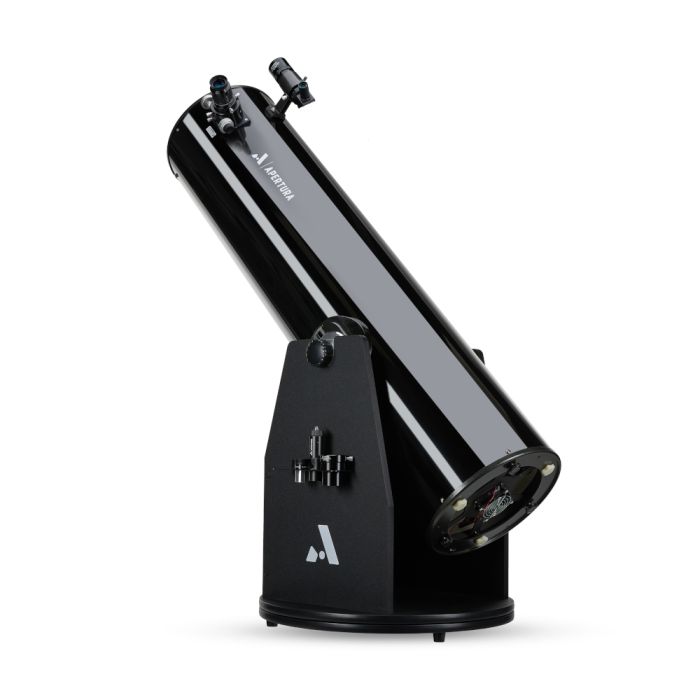

Apertura AD12 vs Orion Skyline 10: Balancing Aperture and Portability
For intermediate astronomers deciding between the Apertura AD12 and the Orion Skyline 10, the core dilemma revolves around maximizing light-gathering capability versus ease of transport and setup. Both telescopes share a Dobsonian design and solid optical quality, but their differing aperture sizes and physical footprints lead to distinct user experiences. This head-to-head comparison lays out the critical differences across aperture, portability, practical use, and setup complexity to help you pick the right scope for your observing style and environment.
Quick Verdict
The Apertura AD12 offers a substantial 12-inch aperture that significantly enhances deep-sky and planetary viewing but demands a robust setup routine and transportation plan due to its bulk and weight. Conversely, the Orion Skyline 10 trades some light-gathering power for a more manageable 10-inch aperture with a compact, lighter design that suits users prioritizing portability and easier handling. Your choice should hinge on whether you value superior aperture performance or simpler mobility and storage.
Key Differences at a Glance
- Aperture Size: AD12 has a 12-inch primary mirror; Skyline 10 features a 10-inch mirror.
- Portability: AD12 is heavy, bulky, and best moved with two people; Skyline 10 is lighter and easier to transport solo.
- Weight and Setup: AD12 requires more effort and space to set up; Skyline 10 is more user-friendly for quick deployment.
- Optical Performance: Both offer good optical quality typical of GSO Dobsonians, but AD12’s larger aperture gathers about 44% more light.
Price and Value
While this article avoids detailed pricing comparisons, it’s worth noting the Apertura AD12 generally falls within a few hundred to around one thousand dollars, offering strong value for a 12-inch Dobsonian with included accessories. The Orion Skyline 10 typically retails lower, reflecting its smaller aperture and portability focus.
Value here is less about absolute cost and more about the balance of features and your observing priorities. The AD12’s larger aperture unlocks fainter celestial objects and more detailed planetary views, which can justify the investment for serious enthusiasts. Meanwhile, the Skyline 10’s lighter footprint reduces the hassle and potential costs related to transportation and storage, making it a practical choice for users who need a scope that fits into tighter spaces or frequent travels.
Performance and Practical Use
The Apertura AD12’s 12-inch primary mirror yields a notable advantage in light gathering—approximately 44% more than the 10-inch Skyline 10. This translates into brighter images and the ability to resolve fainter deep-sky objects such as distant galaxies, nebulae, and star clusters. Planetary details like Jupiter’s cloud bands and Saturn’s rings also appear sharper and more pronounced under good conditions. For dedicated deep-sky observers or those seeking to push their viewing limits, this advantage is substantial.
In contrast, the Orion Skyline 10, while smaller, still offers commendable optical quality and is well-suited to a broad range of celestial targets. Its 10-inch aperture gathers enough light for many popular deep-sky objects and planetary details, though with less brightness and resolution than the AD12. This makes it a solid all-rounder for intermediate astronomers who want a capable scope without the physical demands of a 12-inch instrument.
- AD12 excels at: Deep-sky exploration, faint nebulae, detailed planetary observation.
- Skyline 10 excels at: General-purpose observing, easier handling during extended sessions, suitable for smaller observing sites.
Ease of Setup / Ease of Use
The Apertura AD12’s size and weight require a deliberate setup process, often necessitating two people to lift and position the telescope safely. Its Dobsonian base is sturdy but bulky, occupying significant floor or vehicle space. Users should anticipate setting aside extra time and effort each observing session, especially when transporting to dark sky locations. This complexity can be a barrier for solo astronomers or those with limited physical strength.
Meanwhile, the Orion Skyline 10 shines in ease of setup. Its smaller size and lighter construction allow one person to transport, assemble, and adjust the telescope with relative ease. This can encourage more frequent use and spontaneous observing, as the barrier to getting the scope ready is much lower. For users with limited storage or who often observe from urban or suburban backyards, this convenience is a major plus.
- AD12 setup considerations: Two-person handling recommended, requires ample storage and transport space.
- Skyline 10 setup considerations: Single-person setup possible, compact design aids storage and quick deployment.
Accessories / Feature Completeness
The Apertura AD12 comes equipped with a useful set of accessories that enhance observing quality and user experience. Included are a primary mirror cooling fan to improve thermal equilibrium, a 2″ Crayford-style dual speed micro 10:1 focuser for precise focusing, a 30mm Super View eyepiece, a 35mm extension tube, and a finder scope. These additions provide a solid starting point for intermediate users looking to observe a variety of celestial targets with improved detail and comfort.
The Orion Skyline 10 typically includes a more basic accessory package, reflecting its emphasis on portability and simplicity. While it offers good optical components, the scope may lack some of the advanced features like a cooling fan or dual speed focuser found on the AD12. Users who prioritize accessory completeness and fine-tuning capabilities might find the AD12’s package more aligned with their needs.
- AD12 accessories: Cooling fan, dual speed focuser, quality eyepiece, extension tube, finder scope.
- Skyline 10 accessories: Standard eyepieces and finder, less advanced focusing and cooling options.
Which Buyer Should Choose Which Option?
Choose the Apertura AD12 if you:
- Prioritize maximum light-gathering power for serious deep-sky and planetary observation.
- Have the physical capability and assistance available to handle a heavy, bulky telescope.
- Can accommodate larger storage and transport needs, such as a spacious vehicle or permanent observing site.
- Value included accessories that enhance performance and precision.
- Are an intermediate to advanced astronomer ready to invest in a long-term, high-capacity instrument.
Choose the Orion Skyline 10 if you:
- Need a more portable, lightweight Dobsonian telescope for easier transport and storage.
- Often observe solo or in locations where setup time and physical effort must be minimized.
- Have limited storage space or smaller vehicles that cannot comfortably accommodate larger scopes.
- Are willing to trade some aperture and light-gathering capability for convenience and quicker deployment.
- Are an intermediate astronomer seeking a balance of performance and practicality.
Conclusion: Balancing Aperture and Portability
Deciding between the Apertura AD12 and the Orion Skyline 10 ultimately comes down to how you weigh aperture against portability. The AD12’s 12-inch primary mirror provides a significant boost in light gathering, opening up richer views of faint galaxies, nebulae, and planetary details. However, it demands more logistical planning for transport, setup, and storage, which can limit observing opportunities if these factors are challenging for you.
On the other hand, the Orion Skyline 10 offers a more manageable 10-inch aperture in a lighter, more compact package. This makes it ideal for astronomers who prioritize ease of use, frequent setup, and the ability to observe from a variety of locations without relying on additional help. While it sacrifices some aperture and light-gathering capability, it remains a capable instrument for many intermediate users.
In summary, if your primary goal is to delve deeper into the cosmos and you have the means to manage a larger telescope, the Apertura AD12 is a compelling choice. If you seek a balance that leans towards mobility, faster setup, and more frequent use, the Orion Skyline 10 is likely to serve you better. Both instruments deliver solid optical quality, so your decision should focus on which practical factors align best with your observing habits and lifestyle.
More Shopping Guide Articles
- Apertura AD12 Review: Powerful 12-Inch Dobsonian for Deep-Sky Enthusiasts
- Buying Guide: How to Choose Between Apertura AD12 and Other 12-Inch Dobsonians
- Apertura AD12 vs Zhumell Z12: Which 12-Inch Dobsonian Offers Better Value?
- Top Dobsonian Alternatives to Apertura AD12: Flexibility and Portability Options