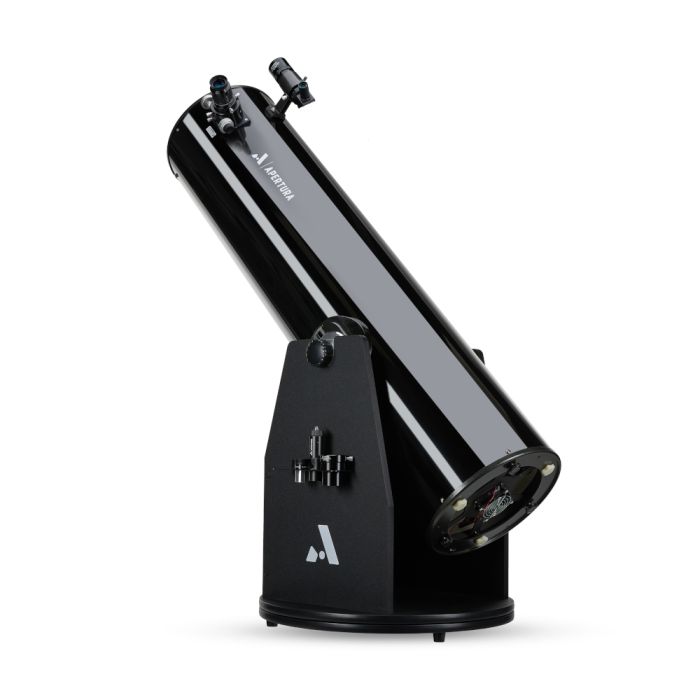

Apertura AD12 vs Zhumell Z12: Which 12-Inch Dobsonian Offers Better Value?
For astronomy enthusiasts eyeing a large 12-inch Dobsonian telescope, both the Apertura AD12 and Zhumell Z12 frequently top consideration lists. These two models share the same Guan Sheng Optical (GSO) manufacturing roots and nearly identical optical performance, making their subtle differences the deciding factors. This comparison dives into what truly separates them—from pricing and included accessories to brand appeal and user experience—to help you choose the best fit for your stargazing needs.
Quick Verdict
The Apertura AD12 and Zhumell Z12 are essentially twins under different badges, offering the same 12-inch aperture, optical quality, and core design. The main differences lie in the accessories each includes, pricing variations depending on retailer and timing, and minor brand-related factors such as customer service and user community presence. If you prioritize a slightly richer accessory package and are comfortable with a less known but enthusiast-favored brand, the Apertura AD12 edges ahead. Conversely, if you find a better deal on the Zhumell Z12 or prefer its established name in the amateur astronomy community, it remains an equally capable choice.
Key Differences at a Glance
- Included Accessories: The Apertura AD12 bundles a primary mirror cooling fan, a 2″ Crayford-style dual speed focuser, a 30mm Super View eyepiece, a 35mm extension tube, and a finder scope. The Zhumell Z12 typically offers a slightly different accessory set, often including a 9×50 finder and eyepiece selection that may vary by retailer.
- Price: Both models compete closely in price, but periodic discounts or package deals can tip the scale. Apertura often prices competitively, while Zhumell benefits from wider retail distribution.
- Brand Appeal and Support: Zhumell has a long-standing presence with strong community recognition, whereas Apertura is gaining traction with dedicated followers who appreciate its value proposition.
- Setup Features: Both require two-person handling due to their weight and bulk; however, slight differences in base design and focuser quality may influence ease of use.
Price and Value
When choosing between the Apertura AD12 and Zhumell Z12, price is a critical factor, especially since both are positioned in the same 12-inch Dobsonian category. The Apertura AD12’s price typically ranges from a few hundred to around one thousand dollars depending on vendor and current promotions, reflecting its value-oriented approach. The Zhumell Z12 often aligns closely in price but may occasionally be found at a slight premium or discount based on retailer inventory and regional availability.
Value is not just about sticker price but what you receive for it. Apertura’s inclusion of a primary mirror cooling fan and a dual speed focuser adds practical utility that can save you additional purchases later. These accessories enhance thermal equilibrium for sharper images and finer focusing control, respectively. Zhumell’s packages sometimes require aftermarket upgrades to match these features, which can raise the total cost of ownership.
Ultimately, if you find both telescopes priced similarly, the Apertura AD12’s accessory bundle gives it an edge in upfront value. However, savvy buyers hunting deals may find the Zhumell Z12 bundled with different eyepieces or add-ons that suit their preferences better.
Performance and Practical Use
At their cores, the Apertura AD12 and Zhumell Z12 share the same 12-inch primary mirror made by GSO, delivering identical optical performance. This means both excel at deep-sky observation, planetary viewing, and general astronomy practice. Their large apertures gather significantly more light than smaller Dobsonians, making faint nebulae, galaxies, and subtle planetary details accessible.
In real-world use, performance differences are negligible. Both telescopes produce crisp images with good contrast and are well-suited for users who prioritize aperture over portability. However, practical use considerations come into play with the included focuser and cooling fan on the Apertura AD12, which help maintain image stability and clarity during extended sessions. The Zhumell Z12 may require additional accessories to achieve comparable thermal performance.
Both scopes’ bulk and weight mean they are best suited for stable home observatories or car-top transport with two people. Their design favors users who plan longer observing sessions from a fixed dark-sky location rather than those seeking quick setups or frequent moves.
Ease of Setup / Ease of Use
Neither the Apertura AD12 nor the Zhumell Z12 is lightweight or easily portable. Both require a two-person lift or a dolly for transport and can be cumbersome to store. The size and weight are inherent to their 12-inch aperture and Dobsonian mount design.
Setup involves assembling the base, attaching the optical tube, collimating the mirrors, and installing accessories like the finder and eyepieces. The Apertura AD12’s dual speed Crayford focuser allows for more precise focusing adjustments, which can be particularly beneficial when observing planets or double stars. The Zhumell Z12 typically includes a standard focuser that may feel less refined but remains functional.
Users report that the AD12’s base design offers slightly smoother azimuth and altitude motions, though this can vary between individual units. Both telescopes demand patience and some physical strength during initial setup, making them less ideal for single observers or beginners without assistance.
Accessories / Feature Completeness
Accessory bundles are where the Apertura AD12 and Zhumell Z12 show their most tangible differences. The AD12 includes:
- Primary mirror cooling fan to reduce thermal currents inside the tube for sharper images
- 2” Crayford-style dual speed micro 10:1 focuser, enabling fine focus adjustments
- 30mm Super View eyepiece for wide-field viewing
- 35mm extension tube to aid focusing with various eyepieces
- Finder scope for easier object location
The Zhumell Z12 often comes with a 9×50 finder and a selection of eyepieces, but the quality and specifications can vary by seller. It usually lacks the built-in cooling fan and dual speed focuser found on the AD12, meaning users may consider aftermarket upgrades for improved performance.
In terms of feature completeness, the Apertura AD12 offers a more ready-to-use package out of the box, reducing the need for additional purchases. This can translate into better value and convenience for the buyer who wants a comprehensive setup immediately.
Which Buyer Should Choose Which Option?
Choose the Apertura AD12 if you:
- Value an inclusive accessory package that enhances thermal management and focusing precision without extra expense.
- Are comfortable managing a heavy, bulky telescope with assistance and prioritize optical performance with practical usability features.
- Prefer a brand gaining popularity for value and accessory completeness in the amateur astronomy community.
- Plan to observe deep-sky objects and planets extensively from a stable, dark-sky location.
Choose the Zhumell Z12 if you:
- Find a better price or deal on the Zhumell model at your preferred retailer.
- Are loyal to or prefer the Zhumell brand name and its established reputation in the astronomy market.
- Don’t mind sourcing some accessories like a cooling fan or upgraded focuser separately to customize your setup.
- Seek a 12-inch Dobsonian with solid optical performance and are willing to invest in incremental upgrades over time.
Both telescopes suit intermediate to advanced amateur astronomers who prioritize aperture and image quality over portability. Neither is ideal for beginners or users requiring lightweight, quick-setup scopes.
Conclusion
The Apertura AD12 and Zhumell Z12 are fundamentally the same 12-inch Dobsonian telescope with equivalent optical quality and performance, as both are produced by GSO. The decision boils down to nuanced differences in accessory bundles, pricing fluctuations, and brand preference.
The Apertura AD12 delivers a more comprehensive starter package, including features like a cooling fan and dual speed focuser that enhance observational comfort and image quality without additional purchases. This makes it an attractive option for buyers looking for a ready-to-go telescope with thoughtful extras, especially at a competitive price point.
On the other hand, the Zhumell Z12’s wider retail presence and longstanding brand recognition appeal to users who prioritize buying from a familiar name or who find it at a better price. While it may lack some included features found on the AD12, the Zhumell Z12 remains a capable telescope that can be upgraded over time according to user preferences.
For serious stargazers seeking a powerful 12-inch Dobsonian, both models represent excellent value in their class. Your choice should weigh the importance of included accessories and brand affinity against current pricing and availability. Ultimately, either will deliver rewarding views of the cosmos, provided you can manage their size and setup requirements.
More Shopping Guide Articles
- Apertura AD12 Review: Powerful 12-Inch Dobsonian for Deep-Sky Enthusiasts
- Buying Guide: How to Choose Between Apertura AD12 and Other 12-Inch Dobsonians
- Apertura AD12 vs Orion Skyline 10: Balancing Aperture and Portability
- Top Dobsonian Alternatives to Apertura AD12: Flexibility and Portability Options