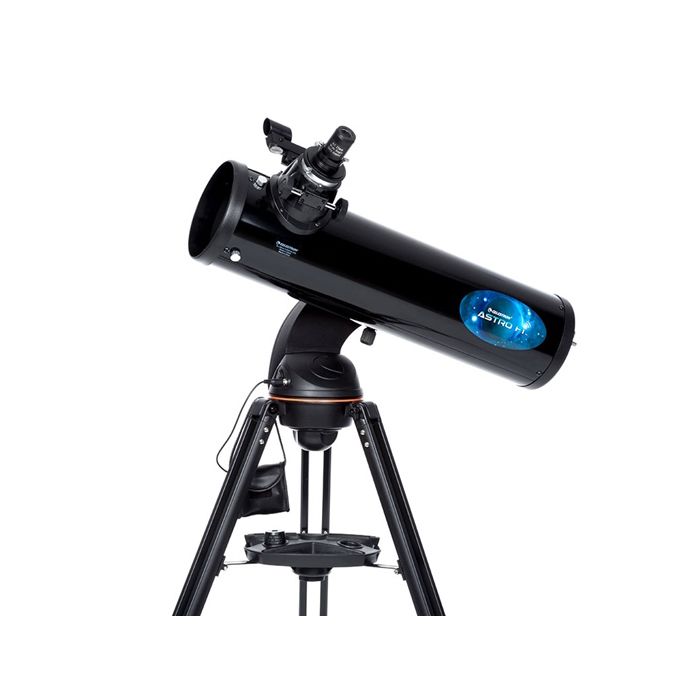

Celestron Astro Fi 130 vs NexStar 130/650: Modern WiFi Control or Classic Handset?
When choosing a mid-range Newtonian telescope with a 130 mm aperture, many buyers face a dilemma: prioritize a cutting-edge smartphone WiFi control system or stick with the trusted traditional handset GoTo interface? The Celestron Astro Fi 130 and the Celestron NexStar 130/650 both offer the same optical aperture and comparable performance, but they differ significantly in how you interact with them and their overall user experience. This comparison helps you decide which control method and feature set aligns better with your observing style, technical comfort, and practical needs.
Quick Verdict
The Celestron Astro Fi 130 excels with its modern smartphone-based WiFi control, offering an intuitive and immersive way to find and track objects via the free SkyPortal app. It’s a great fit for beginners and casual users who want a sleek, app-driven experience and prioritize ease of use and portability.
The NexStar 130/650, on the other hand, uses a classic handset-based GoTo system, appealing to those who prefer a tactile interface, want a more budget-friendly option, or have prior experience with traditional control methods. While it lacks smartphone integration, it delivers solid optical performance and dependable functionality without reliance on a mobile device.
Key Differences at a Glance
- Control Interface: Astro Fi 130 uses smartphone/tablet WiFi app control; NexStar 130/650 relies on a traditional wired handset.
- Aperture & Optics: Both have identical 130 mm Newtonian reflectors with 650 mm focal length, delivering comparable image quality.
- Portability: Astro Fi 130 features a compact tube design optimized for easier transport; NexStar 130/650 is slightly bulkier but still manageable.
- Price: The NexStar 130/650 usually comes at a lower price point, reflecting its older technology and fewer included accessories.
- Ease of Setup & Use: Astro Fi 130 offers streamlined alignment via app-assisted SkyAlign and touchscreen controls; NexStar requires manual data entry and handset navigation.
- Included Accessories: Both include 10mm and 25mm Kellner eyepieces and motorized tracking, but only Astro Fi 130 offers the companion app experience.
Price and Value
Price is often decisive when choosing between these two telescopes. The NexStar 130/650 is generally priced lower, appealing to buyers who want a capable 130 mm GoTo scope without extra frills. Its simpler handset controls mean fewer technology dependencies, and it often fits tighter budgets.
In contrast, the Astro Fi 130 comes at a modest premium—around $167.99 based on recent listings—but justifies this with advanced smartphone WiFi connectivity. This modern control system enhances the overall value for users who appreciate app-based navigation and want to explore the night sky interactively. The Astro Fi’s wireless setup also eliminates the need for cables and hand controllers, which some buyers find worth the extra cost.
In summary, if upfront cost and proven technology matter most, the NexStar 130/650 offers solid value. If you prioritize a modern interface and smoother user experience, spending a little more on the Astro Fi 130 delivers better overall value for mid-range users.
Performance and Practical Use
Both telescopes share the same 130 mm aperture and 650 mm focal length, meaning their optical performance is fundamentally similar. This aperture gathers enough light for crisp views of the Moon’s craters, the belts of Jupiter, Saturn’s rings, and many bright nebulae and star clusters. Neither telescope is optimized for high-end astrophotography but both support motorized tracking to keep celestial objects centered during observation.
Where performance diverges is in how easily and efficiently you can find and track objects. The Astro Fi 130 leverages the SkyPortal app, which lets you tap objects on your device’s screen, then automatically slews the telescope to them. This reduces searching time and helps beginners quickly learn the sky. Its wireless network functions independently of local WiFi, so it works well even in remote locations.
The NexStar 130/650 requires manual alignment using its handset interface, entering date, time, and location, then aligning on bright stars. While reliable, this process is less intuitive, especially for newcomers, and navigating the handset’s menus to select objects takes more practice. However, some users prefer this tactile control for its straightforwardness and independence from smartphones.
- Astro Fi 130: Faster, app-guided object location and tracking, especially suited for beginners and tech-savvy users.
- NexStar 130/650: Manual alignment and handset navigation may slow initial use but appeals to traditionalists and those without smartphones.
Ease of Setup / Ease of Use
Setup complexity is a critical consideration for beginners or casual observers who want to spend more time looking and less time fiddling. The Astro Fi 130’s SkyAlign technology combined with its app control considerably simplifies setup. The telescope emits its own WiFi signal, enabling a direct connection to your smartphone without needing external internet access. Users benefit from a graphical interface that includes star maps, object information, and a simple point-and-click object selection.
In contrast, the NexStar 130/650’s setup is more traditional. Users must input location and time via the handset keypad and align the telescope manually on known bright stars. While this method is familiar to many amateur astronomers, it demands more patience and can be less accessible for those new to the hobby or less comfortable with menu-driven hand controllers.
Portability also factors into ease of use. The Astro Fi 130’s compact tube design makes it lighter and easier to carry, set up, and store, which reduces barriers to spontaneous backyard or travel sessions. The NexStar 130/650 is slightly bulkier due to its older mount design, making transport and storage a bit more cumbersome for frequent moves.
- Astro Fi 130: Wireless app control and compact design promote quick, user-friendly setup.
- NexStar 130/650: More hands-on setup requiring keypad input and star alignment, with a heavier mount.
Accessories / Feature Completeness
Both telescopes come with a similar basic accessory package including two Kellner eyepieces (10 mm and 25 mm), motorized tracking, and a sturdy mount. This setup enables a range of magnifications suitable for planetary and deep-sky viewing out of the box.
The Astro Fi 130’s key differentiator is its companion SkyPortal app, which effectively replaces the traditional hand controller. This app enhances the user experience by providing detailed celestial object databases, real-time sky maps, and an interactive interface that can update and expand over time. This feature adds significant value for users wanting an integrated digital astronomy experience.
The NexStar 130/650 provides the classic NexStar handset for control, which some users appreciate for its tactile feedback and no reliance on external devices. However, it lacks the app integration and wireless convenience of the Astro Fi 130. The mount and optical tube are robust and proven but do not include advanced digital features.
- Astro Fi 130: Includes app integration, wireless control, and compact design accessories.
- NexStar 130/650: Comes with traditional handset controller, standard eyepieces, and solid mount but no app or wireless features.
Which Buyer Should Choose Which Option?
Choose the Celestron Astro Fi 130 if you:
- Prefer a modern, intuitive smartphone or tablet control interface with wireless GoTo functionality.
- Value quick, hassle-free setup and enjoy interactive sky maps and object information on your mobile device.
- Want a compact, lightweight telescope that’s easy to transport and store for backyard or travel use.
- Are a beginner or intermediate user looking for a guided and immersive observing experience.
- Are willing to pay a small premium for enhanced convenience and digital features.
Choose the Celestron NexStar 130/650 if you:
- Prefer the tactile, button-driven handset control and want to avoid dependence on smartphones or apps.
- Are comfortable with manual data entry and traditional alignment procedures.
- Want the same 130 mm aperture optical performance at a generally lower price point.
- Value a proven, reliable GoTo system with a straightforward interface.
- Are budget-conscious and prioritize cost over modern control conveniences.
Conclusion
Both the Celestron Astro Fi 130 and NexStar 130/650 offer solid 130 mm Newtonian optics and motorized GoTo tracking suitable for beginner to intermediate astronomers. The fundamental choice comes down to how you want to control your telescope and your preferences for ease of use versus traditional operation.
The Astro Fi 130 stands out for its modern WiFi-based smartphone control, streamlined setup, and portability. Its SkyPortal app creates a more engaging and accessible observing experience, especially for users comfortable with mobile technology and who want to minimize setup friction. This makes it an excellent choice for backyard astronomy enthusiasts who want to dive into the sky with minimal barriers.
The NexStar 130/650 remains a viable option for those who prefer a classic handset control, seek a lower-cost entry point, or appreciate a more hands-on approach to telescope operation. While it lacks wireless app integration, it delivers the same aperture and optical quality, backed by a proven GoTo system that many amateur astronomers trust.
Ultimately, your decision should hinge on your comfort with technology, how you plan to use the telescope, and your budget. If you want a smart, connected telescope experience that feels modern and effortless, the Astro Fi 130 is the better match. If you favor familiar controls, a lower price, and a traditional setup, the NexStar
More Shopping Guide Articles
- Celestron Astro Fi 130 Review: Smart WiFi Newtonian for Beginners
- Buying Guide: How to Choose Between Celestron Astro Fi 130 and Sky-Watcher Star Discovery 150P
- Celestron Astro Fi 130 vs Sky-Watcher Virtuoso GTi 150P: Aperture and Mount Style Showdown
- Top Alternatives to Celestron Astro Fi 130: Maksutov-Cassegrain and Dobsonian Options