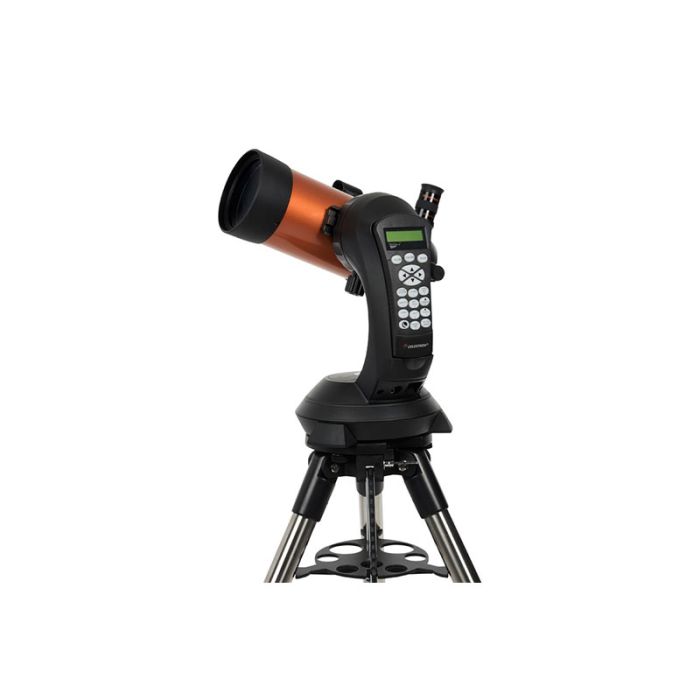

Top Alternatives to the Celestron NexStar 4SE: Best Beginner Computerized and Manual Telescopes
For newcomers to astronomy, the Celestron NexStar 4SE often appears as a go-to option due to its blend of portability, computerized GoTo technology, and decent optical quality. Priced around $200 to $600, this Maksutov-Cassegrain telescope appeals especially to those eager to explore planetary and lunar views with the convenience of automated object locating. However, the beginner telescope market is rich with alternatives that cater to different priorities such as aperture size, mount type, ease of use, and portability. This article guides you through when the 4SE might not be the ideal choice and presents carefully selected alternatives organized by key buyer scenarios, helping you make an informed decision tailored to your astronomy goals.
Why Buyers Consider the Celestron NexStar 4SE
The NexStar 4SE is popular primarily because it combines several beginner-friendly features in a compact package. Its computerized GoTo mount includes a hand controller with a database of over 40,000 celestial objects, allowing users to automatically locate and track planets, stars, and other objects without manual star-hopping. This feature significantly reduces the barrier to entry for new astronomers who might be intimidated by manual navigation.
Portability is another key reason for its appeal. Weighing roughly 9 pounds and featuring a compact Maksutov-Cassegrain design, it’s easy to transport and set up in a backyard or take on short trips. The 4-inch aperture, paired with an f/13 focal ratio, delivers crisp, high-contrast views particularly suited for lunar and planetary observation. Additionally, the 4SE offers a basic platform for beginners interested in dabbling in astrophotography, especially of bright objects.
In summary, buyers are drawn to the Celestron NexStar 4SE because it:
- Provides computerized GoTo functionality easing celestial object location
- Is compact and lightweight for easy transport and setup
- Offers sharp views of the Moon and planets with decent optical quality
- Fits an affordable price range for entry-level computerized telescopes
When the NexStar 4SE Is the Wrong Fit
Despite its strengths, the NexStar 4SE is not the best match for every beginner or use case. Its 4-inch aperture limits light gathering, which can restrict the visibility of faint deep-sky objects such as nebulae and galaxies. Users primarily interested in immersive deep-sky observing will find its aperture insufficient.
Another drawback is the computerized mount’s fragility and occasional reliability issues. Beginners seeking a robust, low-maintenance system may find the 4SE’s electronics demanding in terms of care and troubleshooting. Moreover, the computerized setup involves some calibration steps and learning curve, which might deter those wanting a straightforward, manual experience.
Portability, while generally a strength, becomes a tradeoff when compared to larger manual telescopes that sacrifice compactness for aperture. The 4SE’s mount is lighter but less stable under certain conditions, affecting tracking accuracy and image steadiness during longer observation or astrophotography sessions.
In brief, the 4SE is less suitable if you:
- Prioritize deep-sky observation requiring larger aperture
- Want a rugged, maintenance-free manual mount
- Are on a tight budget but desire maximum aperture for value
- Prefer ultra-simple setup without computerized calibration
- Need a telescope that excels in serious astrophotography
Better Alternatives for Different Scenarios
1. When Aperture and Deep-Sky Viewing Are Priorities: 8-inch Dobsonian Telescopes
If your astronomy interest leans toward exploring faint galaxies, nebulae, and star clusters, aperture size is king. Dobsonian telescopes with 8-inch mirrors offer roughly four times the light-gathering power of the 4SE’s 4-inch aperture, revealing much more detail in deep-sky objects. Two standout options in this category are the Apertura AD8 Dobsonian and the Sky-Watcher 8-inch Traditional Dobsonian.
Both models feature simple, manually operated alt-azimuth Dobsonian mounts known for their stability and minimal maintenance. The lack of computerized GoTo means you’ll manually locate celestial objects, which some beginners find rewarding and educational, while others may consider it a hurdle.
- Apertura AD8 Dobsonian: Offers excellent value for the aperture size, with a solid, user-friendly mount and quality optics. It’s ideal for backyard astronomers focused on visual deep-sky observing. However, it is bulkier and less portable than the 4SE, and the absence of computerized tracking means more manual effort.
- Sky-Watcher 8-inch Traditional Dobsonian: Similar in aperture and mount style to the AD8, this telescope is well-regarded for reliability and affordability. It excels in delivering bright, detailed views but requires manual star-hopping and is heavier to transport.
These Dobsonians are best suited for users who:
- Value aperture and light gathering over portability
- Are comfortable with manual object locating
- Want a durable, simple mount with minimal upkeep
- Focus on deep-sky visual astronomy rather than astrophotography
2. When You Want Computerized Convenience with Larger Aperture: Mid-Sized GoTo Telescopes
For those who appreciate the automated locating and tracking benefits of the 4SE but desire more aperture, mid-sized computerized telescopes like the Sky-Watcher Virtuoso 150P and the Celestron NexStar Evolution Series merit consideration. They strike a balance between aperture, computerized features, and user-friendliness.
The Sky-Watcher Virtuoso 150P offers a 6-inch aperture, larger than the 4SE, along with a computerized GoTo mount. It supports some astrophotography and is expandable with additional accessories. However, it is less portable due to increased size and weight, and its mount quality, while decent, does not match the robustness of Celestron’s Evolution series.
The Celestron NexStar Evolution Series represents a step up in computerized mount quality and reliability compared to the 4SE. With similar aperture sizes (typically 6 to 8 inches depending on the model), these telescopes feature improved electronics, longer battery life, and WiFi connectivity for app control. They are pricier but offer a more stable platform for both visual astronomy and beginner astrophotography.
Consider these computerized options if you:
- Want larger aperture than 4SE but with automated GoTo functionality
- Value improved mount stability and advanced computerized features
- Are willing to trade off some portability for performance
- Seek a platform suitable for casual astrophotography
- Have a budget that can stretch beyond the 4SE’s price range
3. When Portability and Simplicity Are Paramount: Compact Manual Telescopes
Buyers who prioritize ultra-portability and straightforward use sometimes find even the 4SE’s computerized system too complex or fragile. In such cases, compact manual refractors or small Newtonian telescopes, while not covered in as much detail here, can be alternatives. These models offer ruggedness, minimal setup, and lightweight design. However, they usually have smaller apertures and lack tracking capabilities, requiring manual star locating.
These options are best for:
- Travelers or hikers needing the lightest and smallest telescope
- Users who enjoy hands-on manual operation without electronics
- Those who want a quick setup for casual lunar and planetary viewing
Best Choice by Buyer Type
Beginner Seeking Computerized Ease and Portability
The Celestron NexStar 4SE remains a strong contender for beginners focused on lunar and planetary observation who want automated object locating and a lightweight setup. Its balance of features and price makes it a practical starting point for users comfortable with some setup and calibration.
Value-Conscious Deep-Sky Enthusiast
Buyers prioritizing aperture and visual performance over computerized features will find the Apertura AD8 Dobsonian or the Sky-Watcher 8-inch Traditional Dobsonian better aligned with their goals. These telescopes offer far superior light gathering for deep-sky targets at a comparable or lower price point but require manual star hunting.
Intermediate User Wanting Reliable Computerized Performance
For those who have outgrown entry-level mounts or want enhanced computerized functionality with more aperture, the Celestron NexStar Evolution Series is the preferred choice. It offers a more robust mount, advanced electronics, and better astrophotography support, albeit at a higher cost.
Balanced Aperture and Computerized Features
The Sky-Watcher Virtuoso 150P suits buyers seeking a middle ground: more aperture than the 4SE and computerized GoTo convenience, with expandable features. It’s a solid pick for users who want to develop skills in both visual astronomy and beginner astrophotography without the higher price tag of the Evolution series.
Final Recommendation
The Celestron NexStar 4SE is an appealing entry-level computerized telescope offering portability and ease of locating celestial objects, making it ideal for beginners focused on lunar and planetary viewing. However, it is important to recognize its limitations in aperture size and mount durability.
If your priority is deep-sky observation and maximum value for aperture, manual 8-inch Dobsonians like the Apertura AD8 or Sky-Watcher 8-inch Traditional Dobsonian provide superior light gathering and a stable, maintenance-light mount. The tradeoff is
More Shopping Guide Articles
- Celestron NexStar 4SE Review: Portable Computerized Telescope for Beginners
- Buying Guide: How to Choose the Best Computerized Telescope Including the NexStar 4SE
- Celestron NexStar 4SE vs Apertura AD8 Dobsonian: Portability vs Aperture for Beginners
- Celestron NexStar 4SE vs Sky-Watcher 8-inch Dobsonian: Computerized Convenience vs Aperture Power