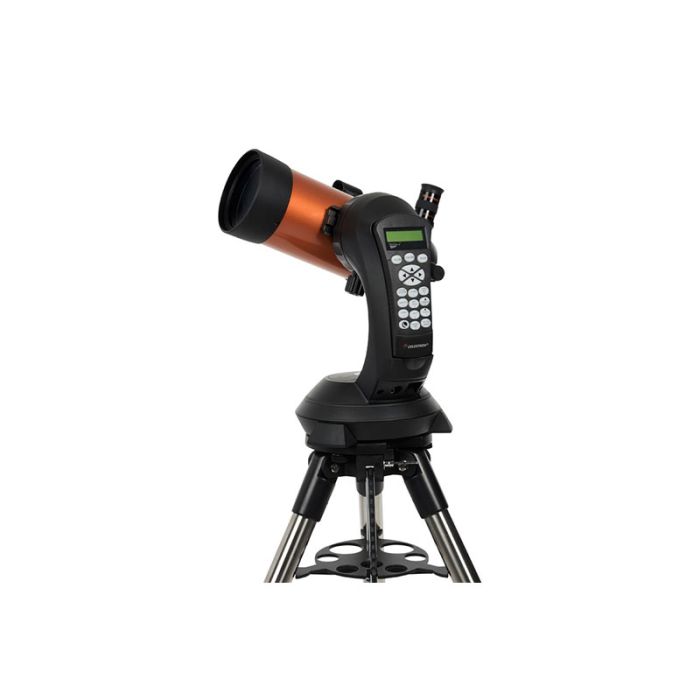

Celestron NexStar 4SE Review: Portable Computerized Telescope for Beginners
The Celestron NexStar 4SE is a compact computerized Maksutov-Cassegrain telescope designed primarily for beginners and casual stargazers who want a balance of portability, automated tracking, and decent optical performance. Priced around $200-$600, this model aims to simplify the initial learning curve of astronomy while delivering satisfying views of the Moon, planets, and some brighter deep-sky objects. But how well does it hold up under real-world conditions, and is it the right pick for your stargazing needs? This review delves into its core strengths, compromises, and use scenarios to help you decide if the 4SE deserves a spot in your astronomy gear.
Quick Verdict
The Celestron NexStar 4SE stands out as an accessible introduction to computerized telescopes without overwhelming beginners with complexity or bulk. Its 4-inch aperture and f/13 focal ratio deliver sharp, high-contrast views of lunar and planetary targets, enhanced by an intuitive GoTo mount that automatically locates thousands of celestial objects. Portability is a clear advantage over larger Dobsonians, making the 4SE appealing for backyard sessions and modest travel.
However, the tradeoffs include a relatively fragile computerized mount prone to occasional reliability issues, a steeper learning curve compared to fully manual scopes, and aperture limitations that restrict deep-sky observation and astrophotography potential. Buyers should weigh these factors carefully against their observing priorities and budget.
What This Product Does Well
The most compelling feature of the NexStar 4SE is its computerized GoTo mount. For beginners intimidated by star-hopping, the hand controller’s database of over 40,000 celestial objects and automated tracking functionality significantly reduce setup time and frustration. This system allows users to find and keep objects centered in the eyepiece with minimal manual adjustments, a boon for rapid learning and casual stargazing.
Another strength is portability. The Maksutov-Cassegrain design with a 4-inch aperture and compact optical tube weighs roughly 9 pounds and fits into a manageable footprint. This makes it far easier to transport and store than bulkier 8-inch Dobsonians, which are often favored for aperture but sacrifice convenience. The 4SE’s compactness encourages more frequent outings, an important consideration for maintaining enthusiasm among beginners.
Optically, the 4-inch aperture at f/13 produces crisp, high-contrast images of the Moon and planets like Jupiter and Saturn. The long focal length lends itself to detailed planetary viewing, outperforming many similarly priced entry-level refractors or short focal length telescopes in this regard. Basic astrophotography is feasible, especially for lunar and planetary shots, thanks to the stable focal ratio and computerized tracking.
- Easy object location with computerized GoTo system
- Compact, lightweight, and transport-friendly design
- High focal ratio yielding sharp planetary and lunar views
- Suitable for basic astrophotography with proper setup
The Compromises Buyers Need to Understand
The 4SE’s computerized mount, while a highlight, is also a notable tradeoff. Users report the mount can be fragile, with motors and gears susceptible to misalignment or failure, especially under frequent use or rough handling. Repairs can be costly and inconvenient, which might frustrate those seeking a truly low-maintenance beginner scope. The computerized system also demands an initial alignment procedure each session that can be confusing for newcomers, delaying quick star gazing.
Portability is a relative advantage but not absolute. While smaller than many alternatives, the 4-inch optical tube combined with the mount and tripod still requires careful packing and handling. Users expecting ultra-lightweight or pocket-sized solutions should look elsewhere. Additionally, the 4-inch aperture limits the telescope’s ability to gather light, making faint deep-sky objects appear dim or indistinct compared to larger scopes like 8-inch Dobsonians. This restricts the 4SE primarily to brighter targets.
Astrophotography capabilities are basic at best. The mount’s tracking stability is sufficient for short exposures of the Moon and planets, but not for long-exposure deep-sky imaging. Users wanting to explore astrophotography seriously will find the 4SE’s limitations in mount precision and aperture restricting.
- Mount fragility can lead to repairs and downtime
- Learning curve for computerized alignment and operation
- Limited aperture reduces deep-sky visibility
- Not suited for advanced or long-exposure astrophotography
Real-World Use Cases and Beginner Experience
For beginners stepping into astronomy, the NexStar 4SE offers a practical balance between technology and usability. Its GoTo functionality allows immediate engagement with celestial objects, making it possible to observe planets, the Moon, and bright star clusters without extensive knowledge of the night sky. This can maintain motivation and encourage learning as users become familiar with constellations and object types.
In backyard or semi-rural settings, the 4SE performs admirably. Its compact size means you can set it up on a small patio or balcony without requiring a dedicated observatory space. The telescope powers up quickly, and once aligned, tracking keeps targets centered for comfortable viewing sessions. Beginners will appreciate the included hand controller’s menu-driven interface, though patience is needed to master alignment routines and basic troubleshooting.
When it comes to portability, the 4SE is well-suited for casual travel to dark-sky sites. Its moderate weight and size allow it to fit in most cars without hassle. However, it is not a grab-and-go instrument for backpacking or ultralight travel. The mount’s sensitivity to bumps means careful transport and setup are necessary to avoid misalignments.
For those interested in dabbling in astrophotography, the 4SE can capture pleasing lunar and planetary images using smartphone adapters or basic cameras. However, users should temper expectations and recognize that the mount’s tracking and aperture limit exposure times and detail resolution. Serious imaging requires more specialized equipment.
Who Should Buy the Celestron NexStar 4SE
The 4SE is an excellent choice for beginners who want a computerized telescope that simplifies finding objects while offering respectable optical quality for planetary and lunar observation. It suits users who value portability enough to carry their scope to dark skies but do not need the largest aperture available.
Value-conscious buyers will appreciate that the 4SE fits within a moderate budget range and bundles a computerized mount, optical tube, tripod, and basic accessories. It is ideal for those starting with astronomy who want to avoid the frustration of manual object locating and who want a scope they can grow into without immediately upgrading.
- Beginners wanting computerized GoTo for easier object location
- Casual observers focused on planets and the Moon
- Users needing a balance of portability and performance
- Buyers seeking a decent value in a compact telescope
Who Should Not Buy the Celestron NexStar 4SE
The 4SE is less suitable for users prioritizing aperture above all else. Those eager to explore faint deep-sky objects extensively will find the 4-inch aperture insufficient compared to 8-inch Dobsonians, which gather more light and provide brighter, more detailed views.
Astrophotographers aiming for long-exposure deep-sky imaging should look for sturdier mounts with higher tracking precision and larger apertures. The 4SE’s computerized mount, while useful, is fragile and can be unreliable under heavier use. Users who want a truly plug-and-play experience with minimal setup should also consider that the initial alignment and occasional troubleshooting may prove challenging.
- Observers focused on deep-sky viewing and faint objects
- Aspiring astrophotographers requiring advanced tracking
- Users needing ultra-lightweight, ultra-compact setups
- Buyers unwilling to invest time in learning computerized alignment
Final Recommendation
The Celestron NexStar 4SE is a thoughtfully designed telescope that delivers meaningful value for beginners seeking an approachable computerized experience. Its compact Maksutov-Cassegrain optics produce sharp lunar and planetary views, while the GoTo mount drastically eases object finding and tracking. This combination makes it a compelling first telescope for casual observers who want convenience without sacrificing image quality.
That said, the 4SE requires users to accept some compromises—particularly mount fragility, a modest aperture that limits deep-sky exploration, and a learning curve with the computerized system. It is not a flawless beginner telescope but rather one best suited for motivated newcomers who appreciate portability and automated tracking over raw aperture power.
For those who prioritize aperture, ruggedness, or advanced astrophotography, alternative manual Dobsonians or higher-end computerized models may be better fits despite added bulk or cost. However, if your goal is to quickly and enjoyably observe planets and the Moon with a lightweight scope that’s easy to transport, the NexStar 4SE presents a solid, well-rounded choice that can grow with you as you develop your astronomy skills.
More Shopping Guide Articles
- Buying Guide: How to Choose the Best Computerized Telescope Including the NexStar 4SE
- Celestron NexStar 4SE vs Apertura AD8 Dobsonian: Portability vs Aperture for Beginners
- Celestron NexStar 4SE vs Sky-Watcher 8-inch Dobsonian: Computerized Convenience vs Aperture Power
- Top Alternatives to the Celestron NexStar 4SE: Best Beginner Computerized and Manual Telescopes