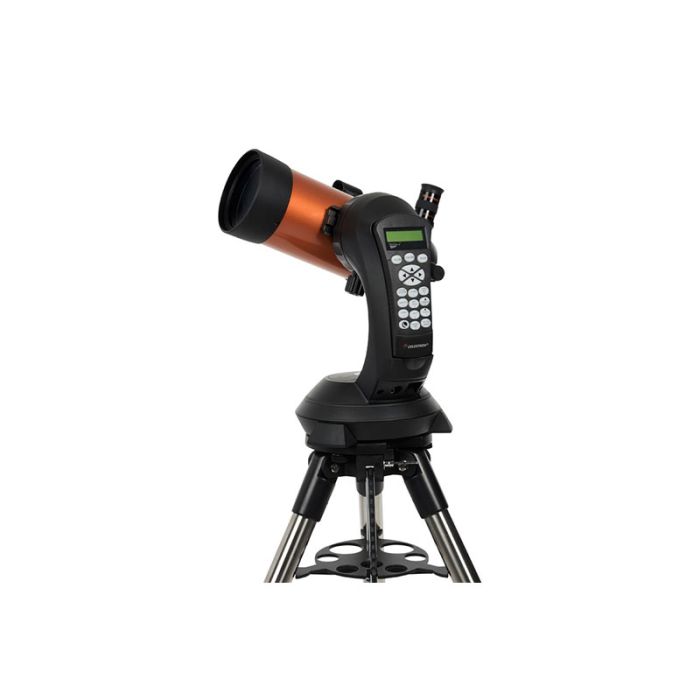

Buying Guide: How to Choose the Best Computerized Telescope Including the NexStar 4SE
Venturing into astronomy often begins with selecting the right telescope. For beginners and casual stargazers, computerized telescopes like the Celestron NexStar 4SE offer a blend of automation and optical quality that can simplify the learning curve. However, choosing a computerized telescope involves balancing factors like aperture size, mount type, portability, and price against your specific observing goals. This guide walks you through the key considerations to help you decide if a computerized telescope—and specifically the NexStar 4SE—fits your needs.
1. What Buyers Should Decide Before Choosing a Computerized Telescope
Before investing in a computerized telescope, it’s essential to clarify your astronomy goals and usage scenarios. Ask yourself:
- What objects do I want to observe? Planetary and lunar viewing require less aperture than deep-sky objects like galaxies or nebulae.
- Will I prioritize portability? If you plan to travel or carry your telescope frequently, weight and size become critical.
- How important is automated object locating? Computerized GoTo mounts ease finding targets but can add complexity and maintenance considerations.
- What is my budget? Computerized scopes range widely in price, affecting aperture, mount quality, and additional features.
- Am I interested in astrophotography? Basic imaging requires stability and optics that may exceed entry-level computerized scopes.
Clarifying these points helps you filter options and weigh whether a model like the NexStar 4SE serves your goals or if alternatives better align.
2. Key Decision Factors When Selecting a Computerized Telescope
Several critical factors shape the value and satisfaction you get from a computerized telescope:
Aperture Size vs. Portability
Aperture—the diameter of your telescope’s main lens or mirror—is the single most important factor for image brightness and detail. The NexStar 4SE’s 4-inch aperture offers crisp, high-contrast views of the Moon and planets, but its smaller size limits the visibility of faint deep-sky objects. Larger apertures (8 inches and above) gather more light and reveal richer detail but increase bulk and reduce portability.
Consider where you’ll most often use the telescope. If backyard observing or occasional travel to dark sites is typical, the 4SE’s compact, lightweight design (around 9 pounds) makes setup and transport easier. If deep-sky viewing is a priority and you have a permanent setup space, larger manual Dobsonians provide superior performance for the price but sacrifice portability and automation.
Computerized GoTo Features and Ease of Use
The computerized GoTo mount onboard the NexStar 4SE automates object location, featuring a database of over 40,000 celestial targets. This reduces the time and frustration of manual star-hopping, a major hurdle for beginners. However, the system requires initial alignment and occasional troubleshooting, which can introduce complexity.
While the GoTo functionality is a strong selling point, users should be prepared for a learning curve in setup and operation. The 4SE’s mount is less robust than higher-end models, so expect some maintenance or repairs over time. Buyers valuing ease of use and reliability might consider the pricier NexStar Evolution series, which offers improved mounts and advanced features but at a higher cost.
Mount Reliability and Stability
The mount’s stability directly impacts viewing comfort and astrophotography potential. The NexStar 4SE’s computerized fork mount is lightweight and portable but less sturdy compared to traditional Dobsonian mounts or premium computerized mounts. Vibrations can be more noticeable, especially at higher magnifications.
If your intended use includes long-exposure astrophotography or detailed planetary imaging, mount stability is crucial. The 4SE can handle basic astrophotography but may fall short for more advanced users. Manual Dobsonians offer sturdy mounts with minimal maintenance but require manual tracking.
Price and Value
With a price range around $200–$600, the NexStar 4SE sits in the entry-level computerized telescope market. It strikes a balance between affordability and features, making it attractive for beginners wanting computerized convenience without a steep investment.
When considering value, factor in accessories you may need (eyepieces, power supplies), potential repair costs for the computerized mount, and whether the included aperture and optics meet your goals. Sometimes spending a bit more on a higher-quality mount or larger aperture yields greater long-term satisfaction.
Use Case Fit
Finally, think about how and where you’ll use the telescope. The NexStar 4SE excels as a portable, automated telescope for casual backyard use, planetary and lunar observation, and introductory astrophotography. It is less ideal for deep-sky enthusiasts or those needing a rugged, maintenance-free mount for frequent field trips.
3. Where the Celestron NexStar 4SE Fits Well
The NexStar 4SE is well-suited for beginners and intermediate users who want a computerized telescope that is:
- Compact and portable: Its lightweight Maksutov-Cassegrain optical tube and fork mount make it easy to transport and set up in various locations.
- Focused on planetary and lunar viewing: The 4-inch aperture combined with a long focal ratio (f/13) delivers sharp, high-contrast images of the Moon, planets like Jupiter and Saturn, and some bright deep-sky objects.
- Automated with GoTo tracking: The computerized mount simplifies finding and tracking thousands of celestial objects, helping beginners spend more time observing and less time searching.
- Entry-level astrophotography: While limited, the 4SE can support basic imaging of the Moon and planets when paired with appropriate accessories.
Its price point offers good value for those prioritizing these use cases without the need for larger aperture or premium mount features. The 4SE is also an excellent choice for users who want a balance between ease of use and optical performance without committing to bulkier equipment.
4. Where the NexStar 4SE Is the Wrong Fit
Despite its strengths, the NexStar 4SE is not ideal for everyone. Consider alternative options if you:
- Plan to focus on deep-sky observing: The 4-inch aperture restricts the amount of light gathered, limiting views of faint galaxies, nebulae, and star clusters. Larger Dobsonian telescopes (8-inch or more) offer significantly better light-gathering power for a similar or lower price but lack computerized tracking.
- Need a highly reliable mount: The computerized fork mount on the 4SE is known to be fragile and may require maintenance or repairs, which can be frustrating for beginners seeking hassle-free operation. Models like the NexStar Evolution series or manual Dobsonian mounts offer stronger reliability at different tradeoffs.
- Require ultra-portability or frequent travel: Although compact compared to many telescopes, the 4SE is still bulkier than some ultra-portable refractors or tabletop scopes. Buyers prioritizing the absolute smallest and lightest setup might explore alternatives designed specifically for travel.
- Want advanced astrophotography capabilities: The 4SE’s mount and optics are not optimized for long-exposure imaging or deep-sky astrophotography. Dedicated astrophotography mounts and larger aperture telescopes are better suited for those ambitions.
Choosing the 4SE without understanding these limitations may lead to disappointment if your astronomy goals extend beyond its intended scope.
5. What Kind of Buyer Should Choose the NexStar 4SE
The NexStar 4SE is best for buyers who:
- Are beginners or intermediate users seeking an entry-level computerized telescope.
- Value portability and intend to use the telescope in backyard settings or casual travel.
- Primarily want to observe the Moon, planets, and bright objects with automated tracking.
- Prefer a balance between ease of use and optical performance without investing in bulkier or more complex equipment.
- Are budget-conscious but willing to invest in a reputable computerized system with moderate aperture.
Conversely, buyers who prioritize maximum aperture for deep-sky viewing, require a highly durable mount, or want advanced astrophotography setups should consider other telescope types such as 8-inch Dobsonians or higher-end computerized mounts.
6. Final Buying Advice
When choosing a computerized telescope like the Celestron NexStar 4SE, the key is matching the product’s strengths and compromises to your personal astronomy goals and lifestyle:
- Balance aperture with portability: The 4SE’s 4-inch Maksutov-Cassegrain optics offer sharp planetary and lunar views in a compact package. If you need brighter deep-sky images, be prepared to trade portability for larger aperture scopes.
- Evaluate mount tradeoffs: The computerized GoTo mount eases locating objects but can be fragile and requires learning. If you prefer simplicity and reliability, a manual Dobsonian mount may be better, though it lacks automation.
- Consider your budget holistically: Factor in accessories, potential maintenance, and whether the included features meet your ambitions. Sometimes spending more upfront on a robust mount or larger aperture pays off long term.
- Test usability and setup: If possible, try handling the telescope or similar models. Ease of setup and comfort in operation significantly influence ongoing enjoyment.
- Plan for your use environment: Backyard users will appreciate the 4SE’s portability and automated features. Frequent travelers or astrophotographers should assess if this model fits their specific needs or if alternatives serve better.
Ultimately, the NexStar 4SE is a capable, affordable gateway into computerized astronomy, excelling at planetary and lunar observation with user-friendly automation. Understanding its limitations and how they align with your priorities ensures you make a confident purchase that supports your stargazing journey.
More Shopping Guide Articles
- Celestron NexStar 4SE Review: Portable Computerized Telescope for Beginners
- Celestron NexStar 4SE vs Apertura AD8 Dobsonian: Portability vs Aperture for Beginners
- Celestron NexStar 4SE vs Sky-Watcher 8-inch Dobsonian: Computerized Convenience vs Aperture Power
- Top Alternatives to the Celestron NexStar 4SE: Best Beginner Computerized and Manual Telescopes