
Celestron NexStar 4SE vs Sky-Watcher 8-inch Dobsonian: Computerized Convenience vs Aperture Power
Choosing between the compact, computerized Celestron NexStar 4SE and the larger, manual Sky-Watcher 8-inch Dobsonian telescope is a classic crossroads for backyard astronomers. Both cater to beginners and intermediates but offer fundamentally different approaches: one emphasizes automated tracking and portability, the other prioritizes raw aperture and simplicity. This detailed comparison will help you decide which telescope aligns best with your observing goals, budget, and practical needs.
Quick Verdict
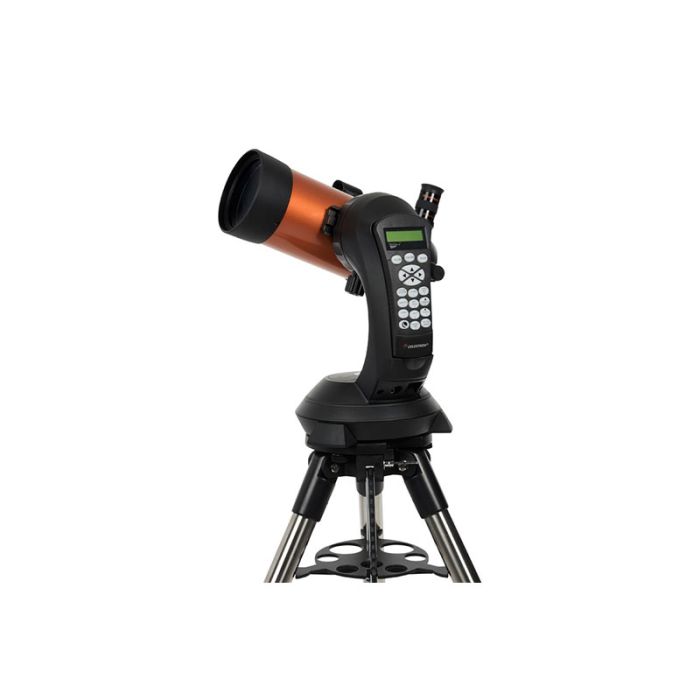
The Celestron NexStar 4SE excels for users who want computerized GoTo functionality, portability, and a streamlined setup—ideal for planetary and lunar observation with some casual astrophotography. However, its 4-inch aperture limits deep-sky viewing and the computerized mount requires careful handling.
In contrast, the Sky-Watcher 8-inch Traditional Dobsonian delivers a significantly larger 8-inch aperture, providing richer views of faint deep-sky objects and a rugged, maintenance-free mount. It’s best suited for users comfortable with manual operation and willing to trade portability for superior light gathering and durability.
Key Differences at a Glance
| Feature | Celestron NexStar 4SE | Sky-Watcher 8-inch Dobsonian |
|---|---|---|
| Aperture | 4 inches (Maksutov-Cassegrain) | 8 inches (Newtonian Reflector) |
| Mount Type | Computerized GoTo Alt-Azimuth | Manual Dobsonian (alt-azimuth) |
| Light Gathering | Moderate, good for planets and Moon | High, excels at faint deep-sky objects |
| Portability | Compact, lightweight (~9 lbs) | Bulky and heavy, less portable |
| Ease of Setup | Automated alignment but requires calibration | Simple, no electronics but manual star finding |
| Price Range | ~$200 to $600 | Typically $300 to $500 |
| Best Use Cases | Planetary, lunar, basic astrophotography | Deep-sky visual observing, casual backyard use |
Price and Value
Price-wise, the NexStar 4SE generally retails between $200 and $600 depending on retailer and bundle options, positioning it as an affordable computerized telescope for beginners. Its computerized mount and automated GoTo system add substantial value for users prioritizing ease of locating celestial objects.
The Sky-Watcher 8-inch Dobsonian usually costs between $300 and $500, offering a larger aperture at a competitive price point. This manual scope delivers exceptional value for observers focused on maximizing light gathering and visual detail without the expense or complexity of computerized features.
In summary, if your priority is a balanced cost-to-feature ratio with automated tracking, the NexStar 4SE offers good value. If aperture and raw optical performance are paramount, the Sky-Watcher Dobsonian provides more bang for your buck.
Performance and Practical Use
The fundamental performance difference stems from aperture size and optical design. The NexStar 4SE’s 4-inch Maksutov-Cassegrain optics excel at producing crisp, high-contrast views of planets and the Moon. Its f/13 focal ratio supports detailed planetary imaging and viewing, but the smaller aperture limits brightness and resolution of faint deep-sky objects like nebulae and galaxies.
Conversely, the Sky-Watcher 8-inch Dobsonian’s Newtonian reflector with double the aperture gathers roughly four times more light. This dramatically improves visibility of faint objects, star clusters, and galaxies. The Dobsonian mount is stable and straightforward, offering smooth manual tracking with minimal vibrations.
However, the Dobsonian’s lack of computerized tracking means you must manually locate and follow objects, which can be challenging for beginners but rewarding for those wanting hands-on learning and star-hopping experience.
- NexStar 4SE: Best for planetary and lunar observing, casual astrophotography, and users who want automated object locating.
- Sky-Watcher Dobsonian: Superior for deep-sky viewing with large aperture and robust mount but requires manual operation skills.
Ease of Setup / Ease of Use
The NexStar 4SE offers computerized setup with a GoTo mount, which helps beginners find and track over 40,000 celestial objects. Initial setup involves aligning the telescope using a few bright stars, which can be time-consuming and sometimes frustrating for novices. Its computerized system requires power and occasional calibration, and the mount is somewhat fragile, necessitating careful handling and occasional maintenance.
In contrast, the Sky-Watcher 8-inch Dobsonian features a simple, no-frills manual alt-azimuth mount that is nearly foolproof. Setup involves assembling the telescope and mount, with no electronics or alignment needed. While manual star finding demands some learning curve, the mechanical reliability and quick assembly make it a favorite among observers who prefer a straightforward experience without reliance on batteries or software.
- NexStar 4SE: Automated star locating reduces search time once aligned but requires initial calibration and power source.
- Sky-Watcher Dobsonian: Simple assembly and rock-solid mount but manual tracking and star hopping needed.
Accessories / Feature Completeness
The NexStar 4SE includes a computerized hand controller with a comprehensive object database, enabling automated GoTo slewing and tracking. It typically comes with one or two eyepieces sufficient for planetary and lunar views and may include a star diagonal for comfortable viewing angles. The f/13 focal ratio limits field of view but enhances detail on bright objects. Some kits bundle a finder scope or smartphone adapter, but astrophotography beyond basic planetary imaging is limited by mount stability.
The Sky-Watcher 8-inch Dobsonian is a more barebones package, usually including a primary eyepiece suitable for general observing. Its simple design means fewer accessories, but the large aperture and stable mount provide a solid foundation for adding aftermarket eyepieces or filters tailored to deep-sky observing. The Dobsonian mount’s simplicity also means minimal maintenance and no need for batteries or electronics.
- NexStar 4SE: Computerized hand controller, GoTo database, basic eyepieces, diagonal, limited astrophotography capability.
- Sky-Watcher Dobsonian: Basic eyepiece(s), sturdy mount, highly expandable with aftermarket accessories, no electronics included.
Which Buyer Should Choose Which Option?
Choose the Celestron NexStar 4SE if you:
- Are a beginner or intermediate user wanting automated object locating to reduce the learning curve.
- Prefer planetary and lunar observing with crisp, high-contrast views.
- Value portability and plan to move the telescope frequently or take it on short trips.
- Want a compact telescope with basic astrophotography potential.
- Are comfortable managing a computerized mount that needs calibration and occasional maintenance.
Choose the Sky-Watcher 8-inch Dobsonian if you:
- Prioritize aperture and light gathering for deep-sky visual observing.
- Are comfortable with manual star hopping and tracking.
- Want a rugged, low-maintenance mount that won’t rely on power or electronics.
- Don’t mind a larger, heavier telescope for superior performance.
- Seek the best value for aperture in a backyard telescope.
In essence, the NexStar 4SE suits those who want technology to guide their stargazing journey, while the Sky-Watcher Dobsonian appeals to those who want more raw optical power and are happy to engage manually with the night sky.
Conclusion
Deciding between the Celestron NexStar 4SE and the Sky-Watcher 8-inch Traditional Dobsonian boils down to your priorities: automated convenience versus aperture-driven performance.
If you’re a beginner or intermediate astronomer who values ease of use, portability, and automated tracking to quickly locate planets and the Moon, the NexStar 4SE is a compelling choice. Its compact form and computerized GoTo system simplify observing sessions, even if the 4-inch aperture limits deep-sky capabilities and the mount demands gentle care.
However, if your passion lies in exploring deep-sky objects, appreciating brighter and more detailed views, and you don’t mind manual operation or a bulkier setup, the Sky-Watcher 8-inch Dobsonian offers a robust, no-nonsense experience. Its larger aperture and simple, reliable mount provide excellent value and performance for visual astronomy enthusiasts comfortable with traditional star hopping.
Ultimately, your choice should reflect how you plan to observe, what celestial targets excite you most, and how much effort you want to invest in setup and operation. Both telescopes serve backyard observers well but cater to different styles of stargazing.
More Shopping Guide Articles
- Celestron NexStar 4SE Review: Portable Computerized Telescope for Beginners
- Buying Guide: How to Choose the Best Computerized Telescope Including the NexStar 4SE
- Celestron NexStar 4SE vs Apertura AD8 Dobsonian: Portability vs Aperture for Beginners
- Top Alternatives to the Celestron NexStar 4SE: Best Beginner Computerized and Manual Telescopes