
Buying Guide: Choosing the Right Smart Telescope for Home Astrophotography
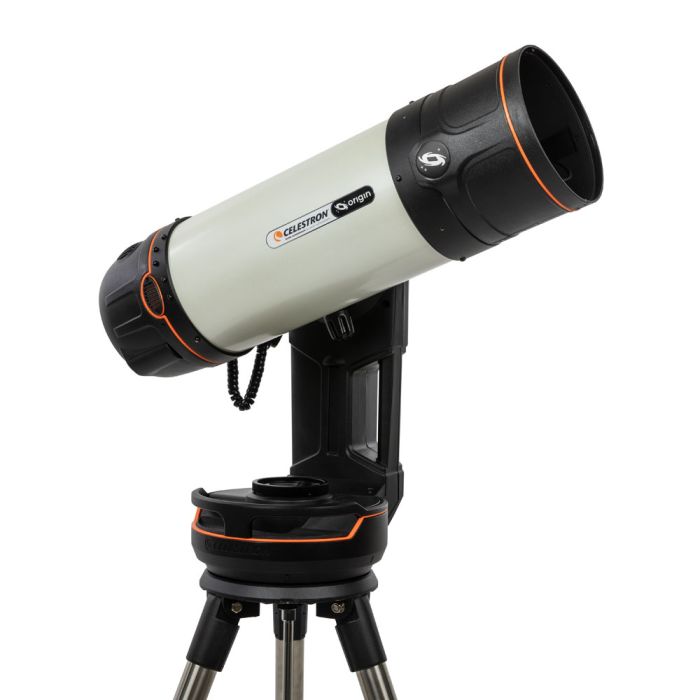
Embarking on astrophotography at home can be a thrilling experience, especially with the rise of smart telescopes that automate much of the complexity. For beginners and intermediate enthusiasts, selecting the right smart telescope involves balancing ease of use, imaging performance, portability, and budget. In this guide, we’ll use the Celestron Origin Intelligent Home Observatory as a focal point to explore these tradeoffs and help you decide if it fits your home astrophotography goals.
What Buyers Should Decide Before Choosing a Smart Telescope
Before investing in a smart telescope like the Celestron Origin, clarify your priorities around how, where, and what you intend to observe and capture. Key questions include:
- What astrophotography targets interest you most? Deep-space objects like galaxies and nebulae require different optics than planetary viewing.
- How important is automation and ease of use? Are you looking for a plug-and-play experience or willing to learn manual adjustments?
- Where will you primarily use the telescope? Home backyard setups differ from portable travel units.
- What is your budget range? Smart telescopes span from affordable entry-level models to premium all-in-one observatories.
Answering these will help you narrow down whether a high-end smart observatory like the Celestron Origin, priced around $800, aligns with your expectations or if alternatives better fit your needs.
Key Decision Factors When Selecting a Smart Telescope
1. Aperture Size and Optics Quality
The aperture size directly impacts how much light your telescope gathers, influencing image brightness and detail. The Celestron Origin features a 6-inch Rowe-Ackermann Schmidt Astrograph (RASA) optical tube assembly, optimized for deep-space imaging with low distortion and wide fields. This aperture size strikes a balance between detailed views and manageable size but may be less ideal for planetary observation where higher magnification optics might be preferred.
2. Performance vs Portability
There’s a natural tradeoff between stability and ease of transport. The Celestron Origin offers robust build quality with a sturdy tripod and solid base, minimizing vibrations that can degrade long-exposure astrophotography. This stability comes at the cost of moderate portability; it’s not a lightweight travel scope but well-suited for a home observatory setup. Buyers prioritizing frequent travel or compact storage may find smaller, more portable models better aligned to their needs, though potentially sacrificing some imaging quality.
3. Software Usability and Automation Features
Smart telescopes differ in how much they automate star alignment, tracking, and image capture. The Celestron Origin integrates intuitive software that simplifies setup and offers RAW image downloads for post-processing. This makes it accessible for beginners while still satisfying intermediate users wanting more control. However, some competing models may offer wider fields of view or alternative automation balances, so consider how much manual intervention you’re comfortable with.
4. Price vs Feature Balance
At approximately $800, the Celestron Origin positions itself as a premium smart observatory. It offers excellent value for deep-space astrophotography enthusiasts who want an all-in-one system with proven optics and software. Budget-conscious buyers might explore options like the ZWO Seestar series, which provide modular choices at lower price points but with compromises in build quality and stability. Ultra-high-end models like Vaonis Hyperia push image quality further but at a significant price premium.
5. Use Case Fit: Deep-Space vs Planetary Viewing
The Celestron Origin excels in deep-sky imaging thanks to its specialized optics and software tuned for faint objects like galaxies and nebulae. However, users focused primarily on planetary viewing might find its performance less impressive compared to telescopes optimized for high magnification and planetary details. Understanding your primary targets will guide whether a deep-space-focused observatory or a different smart telescope better suits your goals.
Where the Celestron Origin Fits Well
The Celestron Origin Intelligent Home Observatory shines as a home-based astrophotography platform for users who want a balance of automation and high-quality deep-space imaging. Its integrated 6-inch RASA OTA provides a solid aperture for capturing detailed images of faint celestial objects with minimal distortion, which is a boon for beginners looking to progress quickly without wrestling with complex setups.
Its sturdy tripod and base reduce vibration, allowing longer exposure times necessary for astrophotography. This makes it ideal for backyard use where wind can be a factor. Additionally, software that supports RAW image downloads offers flexibility for users who want to edit their images professionally later.
- Perfect for beginner and intermediate users focused on deep-sky astrophotography
- Well-suited for home observatory setups prioritizing stability over portability
- Offers a user-friendly, automated experience without sacrificing imaging quality
- Good value for those willing to invest in a premium smart observatory
Where the Celestron Origin Is the Wrong Fit
If your priority is lightweight portability or frequent travel with your telescope, the Celestron Origin’s moderate portability and sturdy build may become a hindrance. Its size and weight are optimized for stationary use rather than transport to remote locations or quick setup in varied environments.
Similarly, if your main interest lies in planetary viewing—capturing detailed images of planets like Jupiter or Saturn—you may find better results with models optimized for higher magnification and planetary detail rather than the Origin’s deep-space focus.
Budget-conscious buyers who want an entry-level experience with some automation may prefer more affordable smart telescopes like the ZWO Seestar S30 or S30 Pro, which trade some stability and aperture size for cost savings and portability.
- Not ideal for buyers seeking a compact, travel-friendly telescope
- Less suitable for specialized planetary imaging enthusiasts
- May be cost-prohibitive for beginners unwilling to invest at the premium price level
What Kind of Buyer Should Choose the Celestron Origin
The ideal buyer for the Celestron Origin is someone who:
- Is a beginner or intermediate astrophotographer ready to invest in a high-quality, automated home observatory
- Values deep-space imaging capabilities with a 6-inch aperture and RASA optics for capturing faint celestial objects
- Prefers a stable, sturdy setup that minimizes vibration and supports longer exposure astrophotography sessions
- Wants an integrated, user-friendly software system that balances automation with the option for manual control and RAW image capture
- Plans to use the telescope primarily in a fixed home or backyard location rather than for frequent travel
Such buyers will appreciate the Origin’s combination of performance, ease of use, and build quality that supports serious astrophotography without the complexity or bulk of traditional telescopes.
Final Buying Advice
Choosing a smart telescope for home astrophotography is about matching your observing goals, lifestyle, and budget. The Celestron Origin Intelligent Home Observatory offers a compelling package for those focused on deep-space imaging at home, combining a 6-inch RASA optical tube, stable construction, and intuitive software into an all-in-one system. Its price reflects this premium positioning, making it a smart choice if you want quality and ease of use without piecing together separate components.
However, recognize the tradeoffs: the Origin’s moderate portability means it’s best for stationary setups rather than travel. Its deep-sky optimization means planetary enthusiasts may want to explore other models. If budget or portability are top priorities, consider more affordable or compact alternatives like the ZWO Seestar series, which offer different balances of aperture, field of view, and automation.
Ultimately, focus on these key buying logics:
- Define your primary astrophotography targets. Deep-sky vs planetary needs dictate optics choice.
- Balance automation and ease of use against desired control and image quality. More automation simplifies use but may limit customization.
- Consider where and how often you’ll use the telescope. Portability is critical for travel; stability is key for home observatories.
- Match your budget to the value offered. Higher price often means better optics and build, but not always necessary for satisfying results.
For home users seeking a stable, high-quality, and automated smart telescope for deep-space astrophotography, the Celestron Origin Intelligent Home Observatory stands out as a strong contender. Careful consideration of your priorities and the tradeoffs outlined here will help you select a smart telescope that supports your journey into the stars.
More Shopping Guide Articles
- Celestron Origin Smart Telescope Review: Deep-Space Imaging Excellence
- Celestron Origin vs ZWO Seestar S30: Which Smart Telescope Fits Your Budget?
- Celestron Origin vs ZWO Seestar S50: Premium Smart Telescopes Compared
- Top Smart Telescopes for Home Astrophotography: Celestron Origin and Alternatives