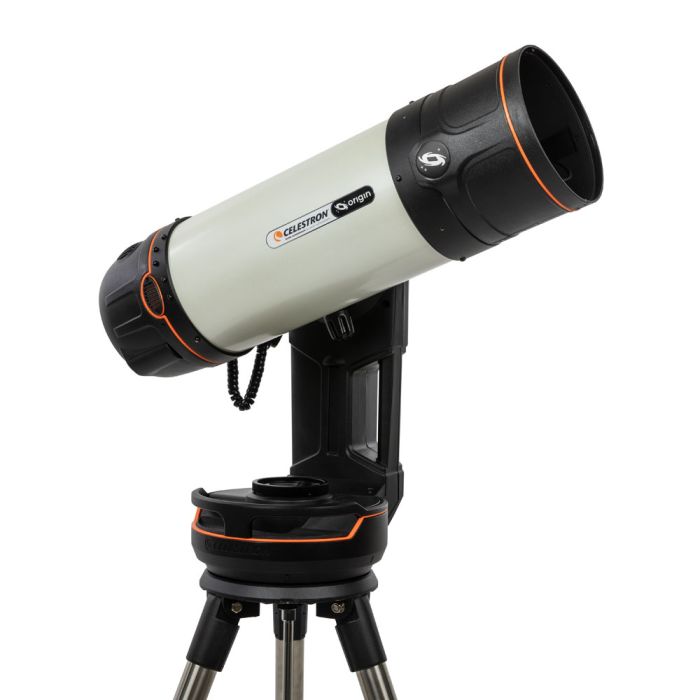

Celestron Origin Smart Telescope Review: Deep-Space Imaging Excellence
For amateur astronomers eager to explore the cosmos from their backyard with minimal fuss, the Celestron Origin Intelligent Home Observatory promises a blend of smart automation and serious imaging power. This high-end smart telescope is designed to deliver impressive deep-space astrophotography, wrapped in an intuitive user experience. But does it live up to the promise for beginners and intermediates alike? This review digs into its core features, real-world performance, and the key tradeoffs to consider before investing nearly $800 in your home observatory setup.
Quick Verdict
The Celestron Origin Smart Telescope excels as a deep-space imaging powerhouse with a thoughtfully engineered setup and robust construction, ideal for users prioritizing astrophotography over casual planetary viewing. Its 6-inch RASA OTA optics deliver stunning clarity and detail for dim nebulae and galaxies, while the integrated smart software lowers the barrier for beginners to dive into automated imaging sessions. However, this comes at a noticeable price premium and moderate portability challenges that may deter those seeking a lightweight or budget-friendly option. If deep-sky astrophotography at home is your goal and you want a stable, easy-to-use observatory, the Origin is a worthy contender. But if you favor planetary observing or need maximum mobility, there are better alternatives.
What This Product Does Well
At the heart of the Celestron Origin is its 6-inch Rowe-Ackermann Schmidt Astrograph (RASA) optical tube assembly. This specialized fast astrograph is optimized to gather ample light quickly, improving exposure times and image quality for faint deep-space objects. Unlike many smart telescopes focused on convenience over performance, the Origin’s RASA OTA enables crisp, high-resolution images with minimal distortion across a wide field — a significant advantage for users serious about astrophotography.
The telescope’s build quality further supports its imaging prowess. The sturdy tripod and solid base reduce vibration and wind-induced shake, which are common pitfalls that degrade image sharpness in this category. This physical stability means longer exposure sequences and better tracking accuracy, translating directly into superior astrophotos without requiring advanced manual tweaking.
Ease of use is another standout feature. Celestron has invested in intuitive software that guides users through setup and operation, making the sophisticated hardware approachable even for those new to astronomy. Features like automated alignment, integrated dew heaters, and RAW image download capabilities combine to streamline the imaging process from start to finish, reducing frustration and setup time.
- Deep-space imaging quality: Excellent clarity and light-gathering thanks to 6-inch RASA optics
- Robust physical design: Stable tripod and base minimize wind interference and vibration
- User-friendly software: Intuitive interface supports beginners with automated workflows
- Convenient accessories: Dew heater included to fight condensation during long sessions
The Compromises Buyers Need to Understand
While the Celestron Origin impresses in many areas, it is not without compromises that impact certain user groups. Most notably, its focus on deep-space imaging means planetary viewing performance is less stellar. Users who prioritize crisp, high-contrast views of planets like Jupiter or Saturn may find the optics and sensor configuration less optimized for these targets compared to some competitors with narrower fields or specialized planetary modes.
Portability is another consideration. The integrated 6-inch OTA and stable tripod setup are relatively bulky and heavy for a smart telescope. This moderate portability means it’s best suited for semi-permanent backyard setups rather than frequent transport to dark-sky sites or travel. Buyers looking for compact, lightweight systems might find the Origin less convenient.
Price is a further tradeoff. At around $799, the Origin sits in the high-end smart telescope segment, costing more than many ZWO Seestar models that offer strong automated astrophotography features at lower price points. While the build and optics justify the premium for serious deep-sky enthusiasts, budget-conscious buyers may hesitate.
- Less optimal for planetary viewing: Deep-space focus limits performance on bright, small targets
- Moderate portability: Bulkier and heavier, less suited for frequent travel
- Higher price point: Premium cost may deter entry-level buyers on a budget
- Setup complexity: Although streamlined, the system still requires some initial learning for novices
Real-World Use Cases and Beginner Experience
In practical terms, the Celestron Origin shines brightest as a home observatory tool for those who want to capture stunning deep-space images without wrestling with complex astrophotography rigs. The automated star alignment and tracking mean that once set up, users can initiate imaging sessions with minimal intervention. Beginners will appreciate the guided software, which demystifies many traditional barriers like manual focusing and exposure calibration.
The 6-inch RASA OTA’s fast optics reduce the need for long exposures, enabling more manageable imaging sessions even under moderately light-polluted suburban skies. However, beginners should be prepared to spend some time learning the software nuances and understanding environmental factors like dew and wind, which the included heater and tripod do help mitigate.
For intermediate users, the system’s RAW image downloads and flexible control options allow deeper experimentation with post-processing and astrophotography techniques. The robust mount means you can invest in longer imaging runs without worrying about drift or vibration spoiling results.
However, if your primary interest is casual planetary viewing or portability for weekend trips, the Origin may feel cumbersome and less rewarding. It’s designed around a stationary setup focused on deep-sky targets rather than quick setup-and-go use cases.
Who Should Buy It
The Celestron Origin is an excellent choice for:
- Beginner to intermediate astronomers who want to step beyond entry-level telescopes into automated astrophotography without overwhelming complexity
- Deep-space imaging enthusiasts seeking a smart telescope specifically optimized for nebulae, galaxies, and star clusters
- Home and backyard observatory users who can accommodate a moderately sized setup and value stable imaging conditions
- Those willing to invest in a premium smart telescope with an emphasis on build quality and ease of use
This product suits buyers who prioritize image quality and stability over portability and who are ready to engage with a smart system that demands some learning but rewards with excellent astrophotography results.
Who Should Not Buy It
Potential buyers who should consider skipping the Celestron Origin include:
- Planetary viewing specialists seeking optimal performance on planets rather than deep-sky objects
- Travel-focused astronomers who need lightweight, compact telescopes for frequent transport or remote observing trips
- Budget-conscious users who want automated astrophotography but cannot justify the higher price versus alternatives like the ZWO Seestar series
- Users seeking ultra-simple plug-and-play operation with minimal setup or learning curve, as some familiarity is needed to maximize the Origin’s capabilities
In these cases, more portable, affordable, or specialized options may provide a better match to needs and expectations.
Final Recommendation
The Celestron Origin Intelligent Home Observatory stands out in the smart telescope market by delivering a focused solution for deep-space astrophotography with a premium 6-inch RASA optical system, robust physical design, and user-friendly software. Its strengths lie in producing high-quality deep-sky images with less hassle than traditional setups, making it a compelling choice for beginner and intermediate astronomers ready to invest in a reliable home observatory.
However, buyers must weigh these benefits against tradeoffs in portability, price, and planetary viewing performance. If your primary goal is detailed imaging of nebulae and galaxies from a stable backyard position and you value ease of use combined with proven optics, the Origin is a smart investment. Conversely, if you prioritize compactness, travel convenience, or planetary observation, exploring alternatives like the ZWO Seestar S30 Pro or other specialized telescopes makes sense.
In summary, the Celestron Origin delivers on its promise for deep-space imaging excellence with an intelligent, integrated system that will satisfy those seeking a serious, automated astrophotography experience at home — provided they are comfortable with the size, cost, and focused use case it entails.
More Shopping Guide Articles
- Buying Guide: Choosing the Right Smart Telescope for Home Astrophotography
- Celestron Origin vs ZWO Seestar S30: Which Smart Telescope Fits Your Budget?
- Celestron Origin vs ZWO Seestar S50: Premium Smart Telescopes Compared
- Top Smart Telescopes for Home Astrophotography: Celestron Origin and Alternatives