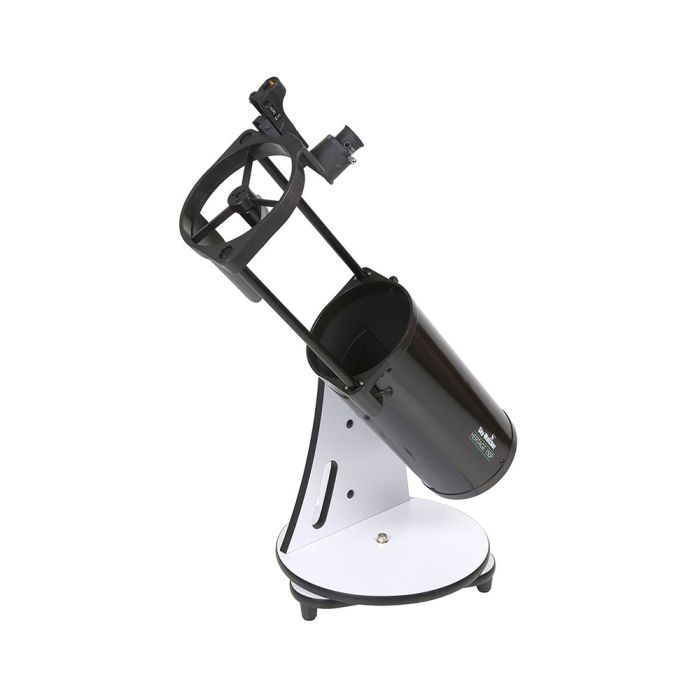

Heritage 150 vs Zhumell Z114: Solid Tube or Collapsible Dobsonian?
Choosing your first tabletop Dobsonian telescope involves balancing portability, aperture, and ease of use. The Sky-Watcher Heritage 150 and the Zhumell Z114 both appeal to beginner astronomers seeking a compact, manually operated scope. Yet, their distinct tube designs and focuser quality shape very different user experiences. This comparison goes beyond specs to clarify which model fits your observing style and setup preferences, focusing on aperture, portability, focuser performance, and overall build quality.
Quick Verdict
The Heritage 150 offers a larger 6-inch aperture housed in a collapsible tube, ideal for users prioritizing light-gathering power and compact storage. However, its helical focuser and flexible tube design can complicate focusing and stability. The Zhumell Z114 trades aperture down to 4.5 inches but compensates with a rigid solid tube and a smoother, sturdier focuser, enhancing durability and user comfort. It’s better suited for those valuing ease of setup and robust construction over maximum aperture.
Key Differences at a Glance
- Tube Design: Heritage 150 uses a collapsible tube for compact storage; Zhumell Z114 has a solid tube offering more rigidity.
- Aperture: Heritage 150 has a 6-inch aperture, gathering significantly more light than the Z114’s 4.5-inch.
- Focuser Quality: Heritage 150 employs a helical focuser known for being tricky under heavier eyepieces; Z114 features a rack-and-pinion focuser providing smoother, more precise control.
- Portability: Heritage’s collapsible design reduces length for transport; Z114’s solid tube is compact but less collapsible.
- Build Quality: Heritage’s flexible tube can flex slightly affecting stability; Z114’s solid tube is sturdier but less versatile for storage.
Price and Value
Both telescopes fall within a similar budget range attractive to beginner buyers, with the Heritage 150 typically priced around $90, making it an affordable entry point for a larger aperture Dobsonian. The Zhumell Z114, while sometimes slightly more expensive, offers a solid tube and better focuser that many users find worth the incremental cost.
Value here depends heavily on your priorities. The Heritage 150’s bigger aperture means you get more light-gathering capability for the price, enhancing views of faint deep-sky objects and planetary details. However, this comes with compromises in focuser smoothness and tube rigidity. The Z114’s smaller aperture limits faint object viewing but delivers a more refined focusing experience and durable build, potentially reducing frustration for beginners.
Performance and Practical Use
The 6-inch aperture of the Heritage 150 provides approximately 44% more light gathering than the Zhumell Z114’s 4.5-inch mirror. This translates into brighter, more detailed views of nebulae, star clusters, and planets under dark skies. For backyard stargazing where aperture is king, Heritage 150’s optical performance is a strong advantage.
However, the collapsible tube design introduces subtle flex, which can slightly affect image stability during focusing or when nudging the telescope. Its helical focuser, while compact, can be challenging to operate smoothly, especially with heavier eyepieces or smartphone adapters for basic astrophotography. Users may notice slower or less precise focusing, which can impact observing sessions that require frequent refocusing.
In contrast, the Zhumell Z114’s solid tube offers a more rigid optical path. Its rack-and-pinion focuser is widely praised for smooth, reliable adjustments, making it easier for beginners to achieve crisp focus quickly. This steadiness and ease of focusing can make the Z114 feel more “solid” during use, particularly beneficial when tracking planets or lunar features at higher magnifications.
That said, the Z114’s smaller aperture limits its ability to reveal very faint deep-sky objects compared to the Heritage 150. If your primary interest is brighter targets like the Moon, planets, and some star clusters, the Z114 performs admirably. But for extended deep-sky observing, the Heritage’s larger mirror pulls ahead.
Ease of Setup / Ease of Use
Both telescopes are designed as tabletop Dobsonians, eliminating the complexity of tripods and computerized mounts. However, their setup and handling differ due to tube construction and focuser design.
The Heritage 150’s collapsible tube reduces packing length by about half, making transport and storage easier in tight spaces. However, this design requires unfolding and securing the tube before use, adding a small step during setup. Its helical focuser, while compact, can feel less intuitive, especially under low-light conditions, and may require patience to master precise focusing.
The Zhumell Z114, with its solid tube, is ready to use straight out of the box with no tube adjustments needed. Its rack-and-pinion focuser is straightforward and smoother, reducing the learning curve for beginners. The solid tube also means less wobble or flex when adjusting the scope, which can enhance confidence during initial use.
In summary:
- Heritage 150: Slightly more involved setup with tube extension; focusing demands more finesse.
- Zhumell Z114: Quicker setup with no tube adjustments; easier, more reliable focuser operation.
Accessories / Feature Completeness
The Heritage 150 typically comes with a Dobsonian base, a helical focuser, and a basic set of eyepieces, though included accessories may vary by retailer. Its collapsible design opens possibilities for DIY tripod mounting or smartphone astrophotography with adapters, supported by a strong user community offering mods and enhancements. However, the helical focuser limits the weight of accessories it can handle comfortably.
The Zhumell Z114 includes a solid Dobsonian base and usually a pair of eyepieces, often better matched to the focuser’s capabilities. Its rack-and-pinion focuser supports heavier eyepieces and accessories more reliably, which can be an advantage if you plan to expand your eyepiece collection or try more advanced observation techniques.
Neither telescope includes computerized tracking or advanced finder scopes in their base packages, reflecting their beginner-friendly, manual operation focus. Both benefit from aftermarket upgrades, but the Z114’s solid build and focuser may better support accessory investments over time.
Which Buyer Should Choose Which Option?
Choose the Heritage 150 if you:
- Want the largest aperture possible in a compact tabletop Dobsonian for brighter, deeper views.
- Value portability and storage convenience thanks to the collapsible tube design.
- Are comfortable with a more hands-on setup and willing to adapt to a helical focuser’s quirks.
- Enjoy DIY modifications or smartphone astrophotography projects and want a flexible platform.
- Primarily observe from home, camping, or locations where carrying a longer solid tube is inconvenient.
Choose the Zhumell Z114 if you:
- Prefer a simpler, more rigid solid tube design with no tube assembly steps.
- Want a better focuser experience out of the box, with smooth rack-and-pinion control.
- Value durability and stability in your telescope’s build quality.
- Plan to focus on brighter objects like the Moon and planets rather than faint deep-sky targets.
- Want a compact but robust scope that’s quick to set up and easy to use for beginners.
Conclusion
The decision between the Heritage 150 and Zhumell Z114 hinges on a fundamental tradeoff: aperture and collapsibility versus focuser quality and solid tube durability.
If your priority is maximizing light gathering in a portable package and you don’t mind a bit of fiddling with the helical focuser and collapsible tube, the Heritage 150 offers exceptional value and performance for deep-sky and planetary viewing. Its 6-inch mirror opens up observing opportunities that smaller scopes can’t match, especially in dark skies.
Conversely, if you seek a more straightforward, rugged telescope that’s quick to set up and easy to focus, the Zhumell Z114’s solid tube and rack-and-pinion focuser provide a more user-friendly experience. While its 4.5-inch aperture limits faint object viewing, this scope suits beginners who want hassle-free operation and durable construction without sacrificing portability.
Ultimately, the Heritage 150 fits buyers focused on aperture and portability with willingness to manage some handling quirks, while the Zhumell Z114 appeals to those prioritizing ease of use and build solidity in a compact Dobsonian. Your choice should reflect where you want to observe, how much setup effort you prefer, and which compromises best match your stargazing goals.
More Shopping Guide Articles
- Sky-Watcher Heritage 150 Review: Best Budget 6-Inch Tabletop Dobsonian?
- Buying Guide: How to Choose a 6-Inch Tabletop Dobsonian Like the Heritage 150
- Heritage 150 vs Heritage 130P: Which Portable Dobsonian Fits Your Needs?
- Top Portable Tabletop Dobsonians Compared: Heritage 150 and Its Main Competitors