
Top Portable Tabletop Dobsonians Compared: Heritage 150 and Its Main Competitors
For beginner astronomers and value-minded stargazers looking to explore the night sky without bulky equipment, portable tabletop Dobsonians provide an appealing balance of aperture, ease of use, and transportability. Among these, the Sky-Watcher Heritage 150 stands out as a 6-inch collapsible Dobsonian designed to deliver bright views in a compact form factor. However, it shares the market with close alternatives such as the Heritage 130P, Zhumell Z114, and Bresser Messier 5 Dobsonian. Each offers different tradeoffs in aperture, focuser quality, and portability.
This comparison focuses on helping buyers understand where the Heritage 150 fits relative to these models, highlighting the key buying factors that influence performance and convenience. By examining these telescopes side by side, you’ll be better equipped to identify which tabletop Dobsonian best fits your backyard or field astronomy needs.
Where the Heritage 150 Fits in the Portable Tabletop Dobsonian Market
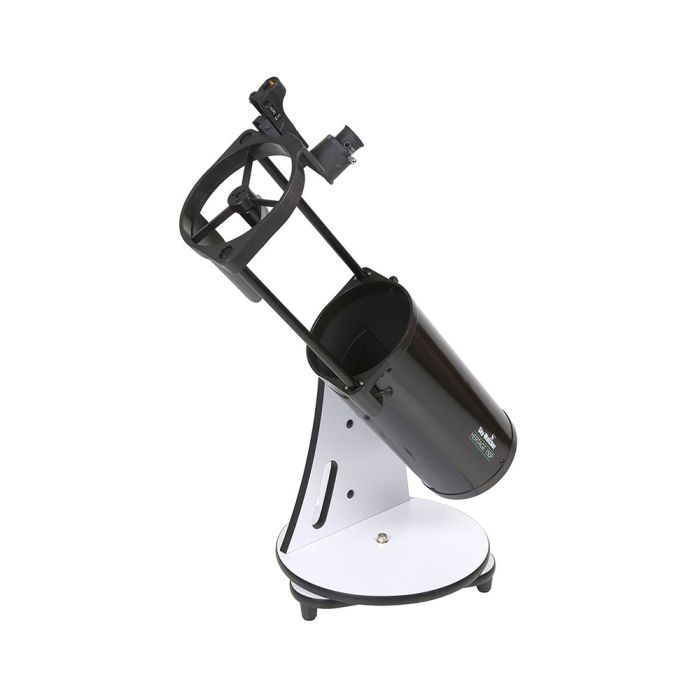
The Heritage 150 is a mid-sized tabletop Dobsonian featuring a 6-inch (150mm) aperture paired with a collapsible tube design. This design allows the optical tube to fold down to roughly half its extended length, making it easier to store and transport than traditional solid-tube Dobsonians of similar aperture. It targets beginner and value-conscious users who want a substantial aperture without sacrificing compactness.
In contrast, the Heritage 130P offers a smaller 5-inch aperture and lighter weight, appealing to those who prioritize portability above all else. The Zhumell Z114 and Bresser Messier 5 represent a slightly different design philosophy with solid tubes and improved focuser mechanisms but at the cost of reduced collapsibility and somewhat less portability. These models cater to users willing to trade some transport convenience for sturdier build and smoother focusing.
Overall, the Heritage 150 occupies a niche balancing aperture advantage over smaller tabletop scopes, with better portability than solid tube Dobsonians in the same aperture range. It is well-suited for backyard use, casual field observations, and those interested in occasional DIY enhancements, but it doesn’t fully satisfy users seeking ultra-compact travel scopes or premium focuser performance.
How the Heritage 150 Compares on Key Buying Factors
Aperture and Optical Performance
The Heritage 150’s 6-inch aperture provides a significant advantage over the Heritage 130P (5-inch) and the Zhumell Z114 (4.5-inch). This larger mirror collects roughly 44% more light than the 130P and nearly double that of the Z114, resulting in brighter, more detailed views of deep-sky objects and planets. For beginners focused on observing a wide range of Messier objects or lunar detail, this aperture size hits a practical sweet spot.
The Bresser Messier 5, while offering a solid tube design, typically comes with a smaller aperture (around 5 inches), placing it near the Heritage 130P in light-gathering capability but behind the Heritage 150. Larger aperture Dobsonians like the Apertura AD8 or Orion SkyQuest XT series exceed the Heritage 150’s light-gathering but sacrifice portability and price accessibility.
Portability and Design
Portability is a major consideration for tabletop Dobsonians, especially for users who want to easily transport their telescope to different locations. The Heritage 150’s collapsible tube design is a key advantage here. When collapsed, the optical tube reduces in length significantly, making it easier to carry and store in a car or small storage space. It weighs more than the Heritage 130P but remains manageable for most users.
The Heritage 130P is lighter and smaller overall, making it the most portable in this group. The Zhumell Z114 and Bresser Messier 5 use solid tubes, which provide more rigidity but add bulk and reduce compactness. These solid tube models are less convenient to transport in tight spaces but can offer a more stable platform once set up.
Focuser Quality and Ease of Use
The Heritage 150 uses a helical focuser, which is compact and fits the collapsible design but can be less stable and harder to adjust smoothly, especially with heavier eyepieces or adapters for smartphone astrophotography. This focuser type requires a gentle touch and can feel fiddly for new users.
In contrast, the Zhumell Z114 and Bresser Messier 5 feature rack-and-pinion focusers, which generally offer smoother, more precise focusing. This can make a meaningful difference for beginners aiming for quick, accurate focus without frustration. The Heritage 130P shares the Heritage 150’s helical focuser, so users prioritizing focuser performance may look to the solid tube alternatives instead.
Price and Overall Value
The Heritage 150 is positioned as a budget-friendly option, often priced around $90 to $100, making it accessible for first-time buyers. Its price reflects a balance of features — delivering a larger aperture and collapsible design at an affordable cost. Accessories included vary but typically cover basic eyepieces and a finder scope, enough to get started without immediate additional investment.
The Heritage 130P tends to cost slightly less, reflecting its smaller aperture and lighter build. The Zhumell Z114 and Bresser Messier 5 usually come at a higher price point due to their solid tubes and superior focuser quality, though still within reach for value-focused buyers. Larger aperture Dobsonians like the Apertura AD8 command higher prices, reflecting their premium features and included accessories.
Best Fit Scenarios for the Heritage 150 and Competitors
- Heritage 150: Ideal for beginners and casual observers wanting a substantial 6-inch aperture in a portable package. Well-suited for backyard astronomy, camping trips with a table or stool setup, and users interested in basic smartphone astrophotography. Also a good choice for those who appreciate the flexibility of a collapsible tube for storage.
- Heritage 130P: Best for users who prioritize maximum portability and ultra-lightweight design. Beginners with limited space or budget will find this model convenient for quick setup and transport, accepting the smaller aperture tradeoff.
- Zhumell Z114: Suited to users favoring a solid tube design for enhanced rigidity and a better focuser for smoother adjustments. Its smaller aperture appeals to those who value build quality and ease of focusing over maximum light-gathering power. Good for backyard users less concerned with collapsibility.
- Bresser Messier 5 Dobsonian: A solid choice for European buyers or those emphasizing focuser quality and tube durability. Less portable but offers a stable platform and smoother focusing experience. Appropriate for users who mostly observe from fixed locations.
Less Ideal Scenarios for Heritage 150 and Its Main Competitors
- Heritage 150: Not optimal for travelers needing ultra-compact, lightweight gear due to its moderate weight and size despite collapsibility. The helical focuser may frustrate users seeking effortless focusing or those who use heavy eyepieces often.
- Heritage 130P: Less suitable for observers wanting brighter, more detailed views owing to the smaller aperture. Shares focuser limitations with the Heritage 150.
- Zhumell Z114: Less convenient for users who require easy storage and transport since it lacks a collapsible tube. Its smaller aperture limits deep-sky performance compared to the Heritage 150.
- Bresser Messier 5 Dobsonian: Not recommended for buyers needing a compact or collapsible telescope. The smaller aperture restricts performance, making it less attractive for users wanting the best light-gathering in a portable package.
Final Shortlist Recommendation
Choosing among portable tabletop Dobsonians primarily hinges on balancing aperture, portability, focuser quality, and price. The Sky-Watcher Heritage 150 remains a compelling option for beginners and casual observers who want a versatile 6-inch aperture with convenient collapsibility at a budget-friendly price. Its tradeoffs in focuser smoothness and slightly bulkier size are offset by its bright views and ease of storage.
The Heritage 130P suits those who place the highest priority on portability and affordability, accepting the smaller aperture and similar focuser tradeoffs. Meanwhile, the Zhumell Z114 and Bresser Messier 5 appeal to users willing to sacrifice collapsibility for a solid tube design and superior focuser mechanics, offering a steadier viewing experience at a slightly higher price.
For buyers focusing on portability with a strong aperture-to-weight ratio and value, the Heritage 150 is the recommended starting point. If focuser quality and tube rigidity are paramount and slightly reduced portability is acceptable, consider the Zhumell Z114 or Bresser Messier 5. The Heritage 130P fits those who want the lightest, most compact tabletop Dobsonian with reasonable aperture for casual stargazing.
Ultimately, the Heritage 150’s positioning as an affordable, collapsible 6-inch Dobsonian with solid optics and community support makes it a practical choice for backyard beginners and value-focused hobbyists seeking a capable, transportable telescope.