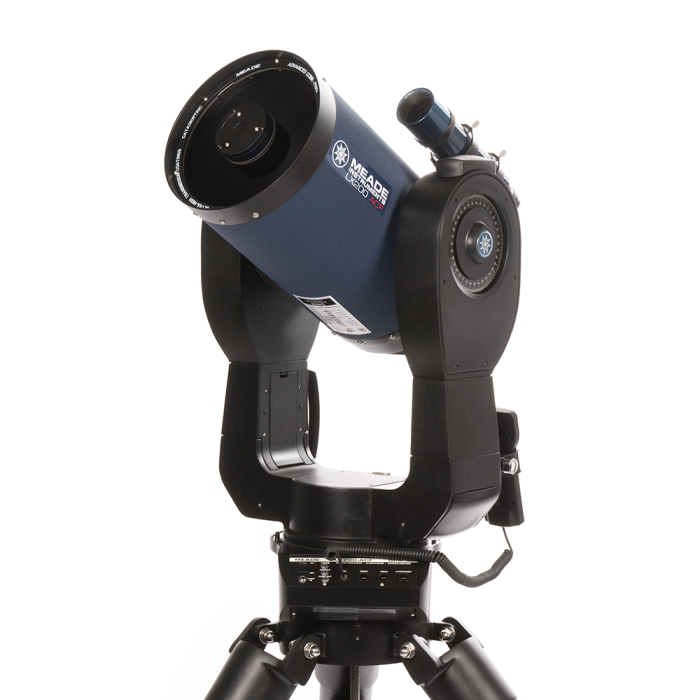

Meade LX200 8″ Review: Classic 8-Inch SCT for Visual Astronomy
For intermediate and advanced amateur astronomers, the Meade LX200 8″ represents a venerable option in the realm of Schmidt-Cassegrain telescopes (SCTs). Its Advanced Coma-Free (ACF) optics and computerized GoTo mount have won it a dedicated following, especially among those focused on planetary and lunar observation. However, with Meade’s liquidation and the scarcity of new units, potential buyers must weigh its proven optical performance against accessibility and evolving astrophotography demands. This review dives deep into how the LX200 8″ performs in practice, its strengths and limitations, and who will find it a worthwhile investment today.
Quick Verdict
The Meade LX200 8″ remains a compelling classic SCT for visual astronomy, especially for intermediate users prioritizing sharp planetary and lunar views combined with a dependable GoTo mount. Its Advanced Coma-Free optics deliver crisp, well-corrected images that stand the test of time. However, the LX200’s bulkier form factor, aging electronics, and limited new availability due to Meade’s liquidation make it less attractive for users seeking compact portability or cutting-edge astrophotography capabilities. Overall, it’s a solid choice if you can source a well-maintained used unit and your primary interest lies in visual observing with some entry-level astrophotography.
What This Product Does Well
The Meade LX200 8″ shines brightest in optical quality and user experience tailored to visual astronomy. The Advanced Coma-Free optics distinguish it from many other SCTs by significantly reducing edge distortion and coma, producing sharper stars and planetary details across the field of view. This optical refinement is particularly noticeable when observing the Moon’s craters or the banding on Jupiter and Saturn, enhancing both contrast and clarity.
Complementing the optics is the dual fork arm GoTo mount, which, although heavier than integrated fork mounts on some competitors, offers a stable platform for steady tracking. The computerized system facilitates quick alignment and automatic slewing to thousands of celestial objects, which is a boon for users who want to maximize observing time without manual star-hopping.
- Optical excellence: Advanced Coma-Free design minimizes aberrations, ideal for planetary and lunar observation.
- Reliable GoTo mount: Precision tracking and object location with dual fork arms for stability.
- Included accessories: Many bundles come with a tripod, eyepieces, sometimes a color filter system, and a hard case, providing a comprehensive starter setup.
- Value for money: Used units typically range between $400 and $1,200, offering a high-performance telescope at a fraction of new high-end models.
These features combine to make the LX200 8″ a dependable choice for those who want a robust, proven SCT platform primarily for visual use, with some astrophotography potential if paired with additional equipment.
The Compromises Buyers Need to Understand
Despite its strengths, the LX200 8″ carries several tradeoffs that prospective buyers should carefully consider. First, the telescope is relatively heavy and bulky compared to more modern compact SCTs or Maksutov-Cassegrain alternatives. This impacts portability, storage, and setup time, especially if you plan to transport the scope frequently. Unlike newer integrated fork mounts (such as those found on the Celestron CPC series), the dual fork arm design requires more assembly and can be cumbersome for solo observers.
Another critical limitation is the telescope’s age and the impact this has on electronics and support. Due to Meade’s liquidation, new LX200 8″ models are essentially unavailable, and replacement parts or service can be challenging to find. Users acquiring used or refurbished units should be prepared for potential maintenance, including electronics repairs or upgrades to keep the GoTo system functioning reliably.
Astrophotography enthusiasts will find the LX200 8″ less optimal for advanced imaging compared to contemporary fork-mounted SCTs or apochromatic refractors. The optical design and mount stability limit long-exposure deep sky imaging, and the telescope’s weight and balance require additional investment in autoguiding and counterweights for astrophotography setups.
- Portability: Heavy and bulky, limiting ease of transport and quick setup.
- Availability and support: New units are scarce; used scopes may require repairs and sourcing parts is difficult.
- Astrophotography limitations: Not designed for advanced imaging without significant modifications.
- Electronics aging: Older control systems may be less intuitive and require updates.
These factors mean the LX200 8″ is best suited for users with some technical confidence and a stable observing location rather than those seeking a grab-and-go or fully turnkey astrophotography rig.
Real-World Use Cases and Beginner Experience
In practical terms, the LX200 8″ excels as a backyard visual telescope for intermediate astronomers who want to explore planets, the Moon, and bright deep-sky objects with minimal optical compromises. Its Advanced Coma-Free optics deliver noticeably sharper star fields and planetary detail compared to older SCT designs, making it a rewarding tool for those honing their observational skills.
Beginners stepping up from smaller refractors or Dobsonians will appreciate the GoTo mount’s ability to locate and track objects automatically, though the initial setup and alignment process can be more involved than newer computerized telescopes with simplified interfaces. The telescope’s weight and size require a stable tripod and some physical effort to set up, which may challenge users without assistance.
For astrophotography, the LX200 8″ can serve as a capable entry-level scope for planetary imaging and short exposure lunar photography. However, capturing deep sky objects demands additional equipment such as a field flattener, autoguider, and possibly a sturdier mount upgrade. Without these, long exposures risk star trailing and image blurring.
- Ideal for backyard use with a permanent or semi-permanent setup.
- Good learning platform for intermediate users transitioning into computerized telescopes.
- Beginner astrophotographers can experiment with planetary imaging but should temper expectations for deep sky results.
- Not suited for quick setups or travel-first observing sessions.
Who Should Buy It
The Meade LX200 8″ is a strong contender for amateur astronomers who:
- Have experience with telescopes and want an upgrade to a refined 8-inch SCT with proven optics.
- Primarily focus on visual observation of the Moon, planets, and moderate deep-sky objects.
- Value the convenience of a computerized GoTo mount and are willing to handle the extra weight and setup complexity.
- Are looking for a cost-effective used telescope with advanced coma-free optics and a solid feature set.
- Plan to use the telescope mainly from a fixed location where portability is less critical.
In particular, intermediate astronomers seeking a tested SCT platform that balances aperture size, optical quality, and computerized convenience will find the LX200 8″ rewarding. It also appeals to beginners with some patience and mechanical aptitude who want to learn computerized telescope operation and explore astrophotography basics.
Who Should Not Buy It
The LX200 8″ is not recommended for:
- Users prioritizing portability or lightweight gear for travel or field use — its size and weight can be prohibitive.
- Beginners who want a plug-and-play experience with minimal setup and maintenance.
- Astrophotographers focused on deep sky imaging requiring longer exposures and modern mount stability.
- Buyers seeking new products with full factory warranties and ongoing customer support.
- Observers who prefer compact Maksutov-Cassegrain or apochromatic refractors designed for high contrast and portability.
If your observing style demands rapid deployment or you want to avoid the technical challenges of maintaining an older computerized system, the LX200 8″ will likely frustrate rather than satisfy. Additionally, serious astrophotography users should consider more modern mounts and optical designs optimized for imaging.
Final Recommendation
The Meade LX200 8″ remains a classic and capable Schmidt-Cassegrain telescope that delivers excellent visual astronomy performance, particularly for planetary and lunar observation, thanks to its Advanced Coma-Free optics and reliable GoTo mount. For intermediate users seeking a robust and proven SCT platform, it offers strong value in the used market, often accompanied by useful accessories like tripods, eyepieces, and color filters.
However, prospective buyers must balance these benefits against the LX200’s significant tradeoffs: its bulk and weight reduce portability, the discontinued status complicates support and parts availability, and the older electronics may require upkeep. Advanced astrophotographers will find its capabilities limited without expensive modifications and additional equipment.
If you have a stable observing site and are comfortable with occasional maintenance or sourcing used equipment, the LX200 8″ can be a rewarding telescope that outperforms many entry-level models in clarity and tracking. Conversely, if you prioritize ease of use, portability, or cutting-edge imaging, you should look elsewhere.
In summary: buy the Meade LX200 8″ if you want a proven, high-quality 8-inch SCT for visual observing and beginner astrophotography in a semi-permanent setup. Skip it if you need lightweight gear, plug-and-play simplicity, or advanced imaging performance.
More Shopping Guide Articles
- Buying Guide: Choosing the Right 8-Inch Schmidt-Cassegrain Telescope
- Meade LX200 8" vs Celestron CPC 800: Which 8-Inch SCT is Best for You?
- Meade LX200 8" vs Sky-Watcher Skymax 8" Maksutov-Cassegrain: Optical Design and Portability Showdown
- Alternatives to Meade LX200 8": Exploring Refurbished Models and Adjacent Options