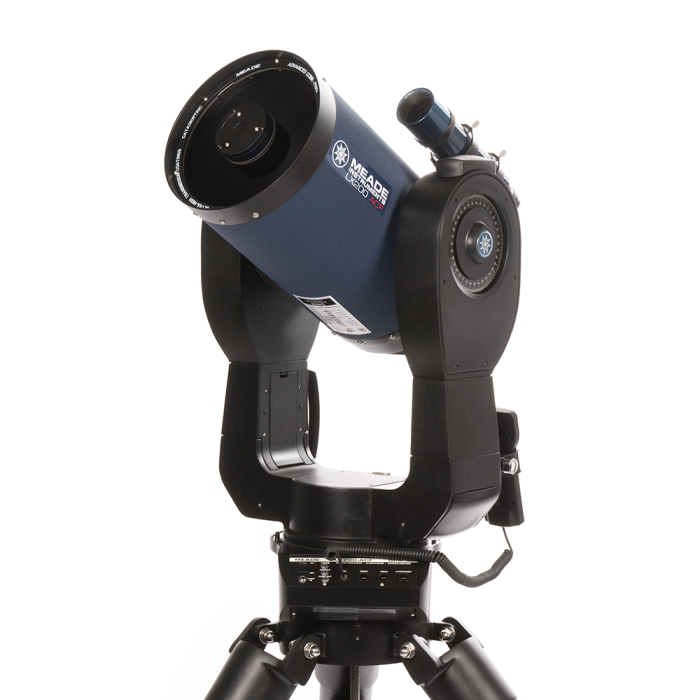

Meade LX200 8″ vs Celestron CPC 800: Which 8-Inch SCT is Best for You?
If you’re in the market for a high-quality 8-inch Schmidt-Cassegrain telescope (SCT), the Meade LX200 8″ and the Celestron CPC 800 are two top contenders. Both offer similar aperture sizes and are tailored for visual astronomy and moderate astrophotography, but they differ in mount design, availability, and practical use. This head-to-head comparison will break down the key differences to help you decide which model better suits your stargazing ambitions and budget.
Quick Verdict
The Meade LX200 8″ delivers excellent optical quality with its Advanced Coma-Free (ACF) system and is a solid choice for those focused mainly on visual observation and occasional astrophotography, especially if you are comfortable with a slightly heavier and more traditional setup. However, its availability is mostly limited to used or refurbished units.
The Celestron CPC 800 stands out with an integrated fork mount that offers superior stability and ease of use, making it appealing for users who want a more plug-and-play experience and reliable tracking for moderate astrophotography. It is widely available new and supported, providing better peace of mind for buyers seeking a current model.
Key Differences at a Glance
- Aperture Size: Both have 8-inch apertures, delivering comparable light-gathering and resolution capabilities.
- Mount Type and Stability: Meade LX200 uses a computerized dual fork arm mount; Celestron CPC 800 features an integrated fork mount known for enhanced stability.
- Availability and Support: Celestron CPC 800 is widely available new with ongoing support; Meade LX200 8″ units are mostly found used or refurbished.
- Astrophotography Capability: Both support moderate astrophotography, but CPC 800’s mount stability gives it a slight edge for longer exposures.
- Portability: Both are relatively heavy and bulky, with no significant advantage for travel or compact setups.
Price and Value
Price is a crucial factor when selecting an 8-inch SCT. The Meade LX200 8″ typically ranges from around $400 to $1,200 on the used market, depending on condition and included accessories. This range offers an affordable entry point for buyers willing to invest time in maintenance or minor upgrades. The value proposition here is strong if you prioritize optical quality and don’t mind purchasing pre-owned gear.
In contrast, the Celestron CPC 800 is generally sold new in the higher price bracket, often around $1,500 to $1,700 depending on retailer and package. The premium reflects its newer design, integrated mount, and better support infrastructure. For buyers who value a turnkey experience and manufacturer warranty, the CPC 800 justifies its higher price with convenience and reliability.
- Meade LX200 8″: Better value if you’re comfortable with used gear and want strong optics at a lower upfront cost.
- Celestron CPC 800: Higher cost but includes modern electronics, current warranty, and integrated mount system.
Performance and Practical Use
Optically, both telescopes share the classic Schmidt-Cassegrain design with an 8-inch aperture, which offers a good balance of light gathering and portability for backyard astronomy. The Meade LX200 8″ benefits from its Advanced Coma-Free (ACF) optics, which reduce edge distortion and deliver sharp, high-contrast views of planets, the Moon, and many deep sky objects. Users report excellent planetary images with precise detail and contrast, making it a favorite for lunar and planetary enthusiasts.
The Celestron CPC 800 also offers comparable optical performance, though it uses standard Schmidt-Cassegrain optics rather than the ACF variant. While this may result in slightly more coma or edge softness at very wide fields, in practical visual use this difference is subtle. The CPC 800’s strength lies in its integrated fork mount, which provides a stable platform for observing and astrophotography. The mount’s rigidity reduces vibrations and tracking errors, which benefits longer exposures and higher magnification viewing.
- Meade LX200 8″: Superior edge correction with ACF optics; excellent for detailed planetary and lunar observation.
- Celestron CPC 800: Comparable aperture performance with a more stable mount, enhancing tracking and imaging capability.
Both telescopes are capable of moderate astrophotography, such as planetary imaging and short-exposure deep sky shots. However, neither is ideal for advanced deep sky astrophotography without significant modifications or additional equipment due to SCT optical design limits and mount payload constraints.
Ease of Setup / Ease of Use
When it comes to setup and user experience, the Celestron CPC 800 generally offers a more streamlined and beginner-friendly process. Its integrated fork mount and modern GoTo electronics allow for quicker alignment and more stable tracking with less fiddling. The CPC 800’s mount design also tends to be more intuitive for users new to computerized telescopes, reducing frustration during setup.
The Meade LX200 8″ features a dual fork arm mount, which provides a stable base but can be bulkier and more cumbersome to transport and assemble. The alignment process may take longer, and the older onboard electronics (especially in used models) can require calibration or troubleshooting. Users with some experience in telescope setup will find this manageable, but beginners may prefer the smoother experience of the CPC 800.
- Meade LX200 8″: Setup is solid but can be heavier and involves older electronics that may need maintenance.
- Celestron CPC 800: Easier and faster setup with integrated mount and updated electronics, better for quick deployment.
Accessories / Feature Completeness
Both models typically come bundled with essential accessories such as eyepieces, tripods, and sometimes carrying cases or color filters. The Meade LX200 8″ often includes a color filter system and eyepieces in used bundles, adding value for planetary observers. However, accessory availability varies widely depending on the seller, especially on the used market.
The Celestron CPC 800 usually ships as a complete package with the telescope, integrated fork mount, and a sturdy tripod. Its electronics include a modern hand controller with a large object database and user-friendly menus, improving the overall experience. Celestron also benefits from a robust aftermarket ecosystem, with plenty of accessories and upgrades available for imaging and observation.
- Meade LX200 8″: Often sold with useful extras like color filters; accessory consistency depends on the used kit.
- Celestron CPC 800: Complete new packages with modern controller and readily available upgrades.
Which Buyer Should Choose Which Option?
Choose the Meade LX200 8″ if you:
- Prioritize optical performance with Advanced Coma-Free design for crisp planetary and lunar views.
- Are comfortable buying used equipment and possibly performing minor maintenance or upgrades.
- Want strong value for money on a proven SCT platform.
- Focus mainly on visual observing with occasional astrophotography.
Choose the Celestron CPC 800 if you:
- Prefer a new telescope with manufacturer support and warranty.
- Want an integrated, stable fork mount that simplifies setup and improves tracking.
- Plan to do moderate astrophotography with reliable electronic controls and smoother operation.
- Value quick alignment and ease of use for backyard astronomy sessions.
Both telescopes are less suitable for buyers who need ultra-portable setups or advanced deep-sky astrophotography platforms. Their weight and size make them best suited for home or backyard use where stability and optical quality matter most.
Conclusion: Making Your 8-Inch SCT Choice
In the battle of the 8-inch Schmidt-Cassegrain telescopes, the Meade LX200 8″ and Celestron CPC 800 each have clear strengths that cater to slightly different user priorities. The Meade LX200 8″ shines with its Advanced Coma-Free optics, delivering exceptional sharpness and contrast that appeal to planetary and lunar observers who don’t mind investing effort in setup and maintenance. Its used market pricing offers an accessible entry point for those focused on value and optical performance.
Meanwhile, the Celestron CPC 800 appeals to users seeking a newer, more integrated system with excellent mount stability. Its fork mount design and modern GoTo capabilities provide a smoother user experience and better tracking for astrophotography enthusiasts who want dependable performance out of the box. The wider availability and support ecosystem make it a safer bet for buyers wanting a hassle-free purchase.
Ultimately, if your priority is getting the best optical clarity with a budget-conscious used purchase and you are willing to manage setup complexity, the Meade LX200 8″ is a compelling option. If you prefer a turnkey experience with stable tracking and newer electronics for visual and imaging use, the Celestron CPC 800 is the better fit. Both telescopes deliver quality 8-inch SCT performance for backyard astronomers ready to explore the night sky.
More Shopping Guide Articles
- Meade LX200 8" Review: Classic 8-Inch SCT for Visual Astronomy
- Buying Guide: Choosing the Right 8-Inch Schmidt-Cassegrain Telescope
- Meade LX200 8" vs Sky-Watcher Skymax 8" Maksutov-Cassegrain: Optical Design and Portability Showdown
- Alternatives to Meade LX200 8": Exploring Refurbished Models and Adjacent Options