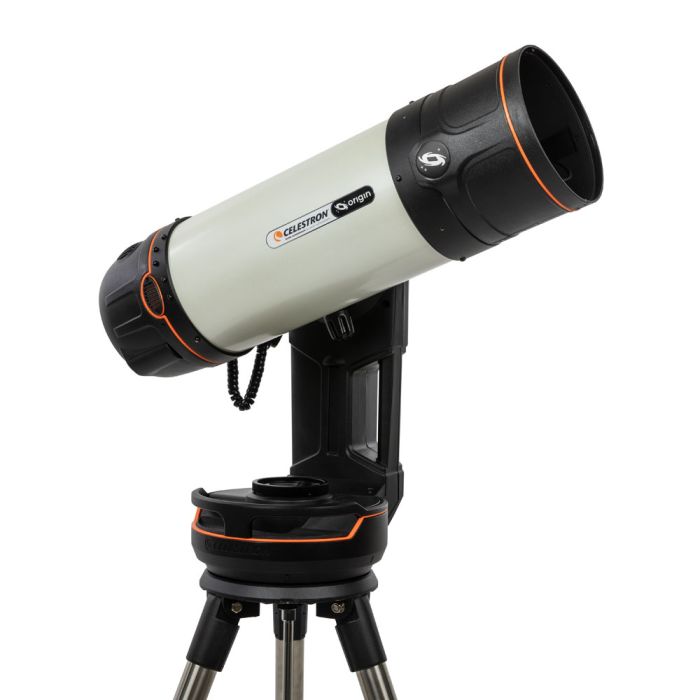

Celestron Origin vs ZWO Seestar S30: Which Smart Telescope Fits Your Budget?
Choosing the right smart telescope is a balancing act between price, ease of use, and imaging performance—especially for budget-conscious astrophotography enthusiasts. The Celestron Origin Intelligent Home Observatory and the ZWO Seestar S30 both promise automated night sky imaging, but they approach the experience from different angles. This head-to-head comparison dives beyond specs to help you decide which aligns best with your astrophotography goals, workspace, and wallet.
Quick Verdict
If you prioritize deep-space imaging and a stable, integrated system for home use, the Celestron Origin offers a polished, albeit pricier, package with a larger aperture and excellent image quality. Conversely, the ZWO Seestar S30 appeals to buyers seeking a more affordable entry into smart telescopes, with a good balance of features and portability, though it compromises somewhat on build robustness and deep-sky detail.
Key Differences at a Glance
- Price: Celestron Origin is positioned at a higher price point (~$800), while ZWO Seestar S30 targets a more budget-friendly segment.
- Aperture & Optics: Origin sports a 6-inch RASA optical tube optimized for deep-space imaging; Seestar S30 offers a smaller aperture with a focus on versatility.
- Build & Stability: Origin features a sturdy base and tripod that reduce vibration and wind effects; Seestar S30 has a lighter mount that may be more susceptible to instability outdoors.
- Ease of Use: Both offer automated star alignment and imaging, but Origin’s all-in-one system tends to simplify setup for home observatories.
- Portability: Seestar S30 is lighter and more portable, better suited for users who want to move their telescope regularly; Origin is more stationary due to size and weight.
- Field of View & Imaging: Origin excels in deep-sky astrophotography with higher image clarity; Seestar S30 provides a balanced field of view suitable for various targets but with less specialized optics.
Price and Value
Price is often the gateway decision factor for smart telescope buyers. The Celestron Origin Intelligent Home Observatory comes in at a premium price bracket, reflecting its 6-inch RASA optics, integrated design, and stable mount. The cost reflects a focus on image quality and a seamless user experience in a home setting.
By contrast, the ZWO Seestar S30 is crafted to be more accessible, offering many smart telescope features at a noticeably lower price. This makes it attractive for entry-level users or those who want automated astrophotography without a substantial upfront investment.
However, the lower price of the Seestar S30 comes with tradeoffs in mount stability and aperture size, which can affect long-exposure imaging quality and operational robustness under variable outdoor conditions.
- Celestron Origin: Higher upfront investment justified by optics and build quality suited to serious deep-sky imaging.
- ZWO Seestar S30: Better value for beginners or budget-conscious buyers prioritizing ease of access over premium imaging.
Performance and Practical Use
Performance in smart telescopes boils down to how well the system captures detailed astrophotographs and how reliably it operates night after night. The Celestron Origin’s 6-inch RASA OTA (optical tube assembly) is tailored for deep-space targets, delivering sharper, brighter images with minimal distortion. Its optics and sensor integration enable capturing faint nebulae and galaxies with good resolution.
The ZWO Seestar S30, while capable of automated imaging, uses a smaller aperture and optics geared towards a compromise between planetary and deep-sky targets. Its field of view is generally wider, allowing users to image larger sky areas, but it won’t match the Origin’s detail on distant faint objects.
In practice, the Origin’s stable mount and base reduce vibrations, allowing longer exposures and better tracking accuracy. This is essential for astrophotography that requires stacking multiple long-exposure frames.
Seestar S30’s lighter mount can be more susceptible to wind-induced shake, which may limit maximum exposure times and affect image sharpness. For casual or moderately serious astrophotography, though, it still delivers satisfying results.
Summary of Performance Tradeoffs
- Celestron Origin: Superior deep-sky performance, better tracking stability, ideal for users targeting detailed astrophotos from a fixed home location.
- ZWO Seestar S30: More versatile field of view, decent image quality, suitable for users wanting a balance of planetary and deep-sky views with easier portability.
Ease of Setup / Ease of Use
Both telescopes emphasize automation to reduce the learning curve for astrophotography. The Celestron Origin benefits from an all-in-one integrated design, meaning fewer components to assemble and calibrate. Its software guides users through alignment and imaging with minimal manual intervention, making it well-suited for beginners and intermediates who want a quick start with reliable results.
The ZWO Seestar S30 also offers automated star alignment and imaging but requires a bit more hands-on setup, such as mount balancing and occasional manual adjustments. Its modular design can appeal to users who want some flexibility but may introduce additional setup steps compared to Origin’s turnkey experience.
In terms of software, both use companion apps that control the telescope and camera. User feedback suggests the Origin’s software is slightly more intuitive for novices, whereas Seestar’s app may appeal more to users comfortable with some technical tweaking.
Ease of Use Highlights
- Celestron Origin: Streamlined setup, fewer physical adjustments, guided software experience.
- ZWO Seestar S30: More manual involvement, flexible configuration options, potentially steeper learning curve.
Accessories / Feature Completeness
The Celestron Origin’s package includes a 6-inch RASA OTA, a dew heater to prevent moisture accumulation during long sessions, and the ability to download RAW images for post-processing. This comprehensive feature set reflects its positioning as a home observatory solution that supports serious astrophotography workflows.
While the ZWO Seestar S30 also includes essential accessories like a mount and camera, it often requires additional purchases for dew control or power management. Its modular nature means buyers may need to invest in extra components to match the convenience level of the Origin.
Neither system is designed for planetary viewing specialists, though Seestar’s wider field of view can occasionally better capture planetary transits or larger celestial objects.
Accessory and Feature Tradeoffs
- Celestron Origin: All-in-one, ready for extended astrophotography sessions with included dew heater and RAW image support.
- ZWO Seestar S30: Basic starter kit with optional expansion; may require extra purchases for full feature parity.
Which Buyer Should Choose Which Option?
Choose the Celestron Origin if you:
- Want a stable, integrated system primarily for deep-space imaging from a home or backyard setting.
- Value ease of setup and a guided user experience that minimizes technical barriers.
- Are willing to invest more upfront for superior optics, build quality, and included features like dew control.
- Prefer a system that supports detailed astrophotography with longer exposure capability.
Choose the ZWO Seestar S30 if you:
- Are budget-conscious and want access to automated astrophotography without a high entry price.
- Need a lighter, more portable telescope that can be moved easily between locations.
- Are comfortable with a slightly more hands-on setup process and potential additional accessory purchases.
- Want a versatile field of view that balances planetary and deep-sky imaging for casual to intermediate use.
Conclusion: Balancing Budget and Capability
The decision between the Celestron Origin Intelligent Home Observatory and the ZWO Seestar S30 ultimately hinges on your astrophotography priorities and budget. The Origin stands out as a premium, stable, and user-friendly telescope optimized for deep-space imaging enthusiasts who want a dependable home setup. Its price reflects this focused value proposition, rewarding buyers with superior optics and ready-to-go features.
Meanwhile, the Seestar S30 carves out a niche for those who want a capable smart telescope experience at a more approachable cost and with greater portability. It requires more involvement in setup and may lack some of the polish and stability of the Origin, but it offers flexibility and a respectable imaging experience for the price.
For beginners or intermediates prioritizing ease of use and image quality from a stable location, the Celestron Origin is worth the investment. For buyers who want an affordable, modular entry point with a balanced field of view and are willing to accept some compromises, the ZWO Seestar S30 is a compelling alternative.