
Top Smart Telescopes for Home Astrophotography: Celestron Origin and Alternatives
Astrophotography enthusiasts looking for smart telescopes to capture the night sky at home face a wide array of choices, each with distinct strengths and tradeoffs. The Celestron Origin Intelligent Home Observatory stands out as a premium option focused on deep-space imaging, but it shares the market with versatile models from the ZWO Seestar Series, the ultra-premium Vaonis Hyperia, and wide-field specialists like the Dwarf II. This guide helps you navigate these options, matching features and price points to your specific astrophotography goals and user profile.
Where the Celestron Origin Fits in the Smart Telescope Market
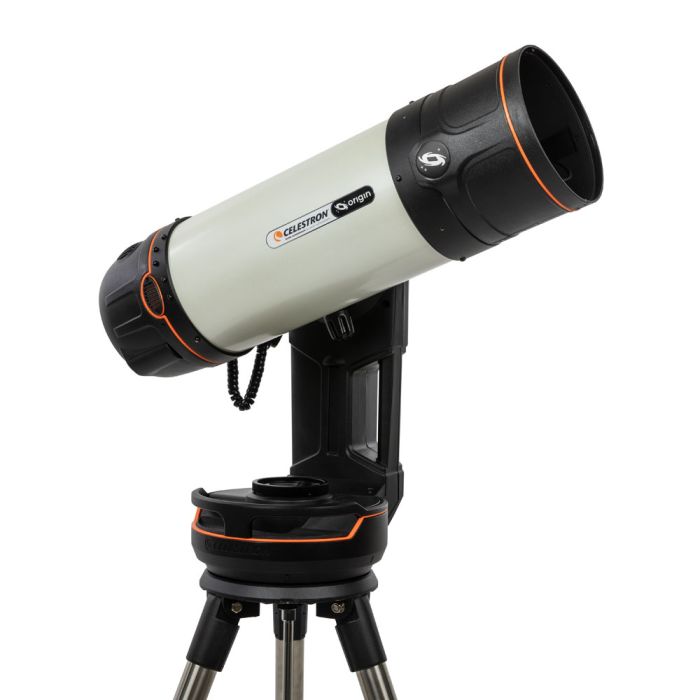
The Celestron Origin Intelligent Home Observatory positions itself as a high-end smart telescope designed primarily for home use with an emphasis on deep-space astrophotography. Equipped with a 6-inch Rowe-Ackermann Schmidt Astrograph (RASA) optical tube assembly, it delivers detailed, low-distortion images of distant celestial objects. Its integrated all-in-one system bundles optics, mount, and software into a single package, simplifying setup and operation for beginner and intermediate users.
Compared to mid-range smart telescopes like the ZWO Seestar models, the Origin targets users who prioritize image quality and system stability over portability or budget constraints. Its sturdy base and tripod reduce vibration and wind impact, making it ideal for longer exposure astrophotography sessions at a fixed home observatory location. However, its moderate portability means it is less suited for users wanting a highly mobile setup.
Within the broader market, the Celestron Origin sits between affordable modular smart telescopes and ultra-premium offerings like the Vaonis Hyperia. It balances advanced imaging capabilities with user-friendly automation, making it a go-to for serious amateurs who want a reliable, integrated astrophotography platform without the complexities of assembling separate components.
How Celestron Origin Compares on Key Buying Factors
Price and Value
At a price around $800, the Celestron Origin is positioned at the higher end of the smart telescope spectrum, reflecting its specialized optics and integrated design. This places it above the ZWO Seestar S30 and S30 Pro models, which offer good value for more budget-conscious buyers. The Seestar S50 competes closer on price but targets slightly different use cases with its aperture and modularity.
The Vaonis Hyperia commands a significantly higher price point, appealing to enthusiasts with fewer budget constraints seeking top-tier imaging. Meanwhile, the Dwarf II offers an alternative focus with its wide field of view but lacks the brand recognition and software polish of the Origin and ZWO models.
Performance and Imaging Quality
The Celestron Origin excels in deep-space imaging thanks to its 6-inch RASA OTA optimized for capturing faint nebulae and galaxies with low distortion. Its stable mount and integrated dew heater contribute to clearer, longer exposures. Compared to the ZWO Seestar S30 and S30 Pro, which offer a variety of fields of view suitable for different targets, the Origin leans strongly toward deep-sky targets rather than planetary or wide-field imaging.
The Seestar S50 competes closely in aperture but trades some mount stability for portability and modularity. Vaonis Hyperia surpasses all in raw image quality with its premium optics and sensor technology, while the Dwarf II stands out for wide-field sky coverage but with less emphasis on fine detail.
Ease of Use and Software Experience
Celestron Origin’s integrated system simplifies setup and operation, making it accessible for beginners and intermediates who want automated star alignment and imaging without assembling multiple components. Its software is intuitive and tailored to deep-space astrophotography workflows.
ZWO’s Seestar series offers modularity that appeals to users wanting custom configurations, which can add complexity. The S30 Pro and S50 models improve software usability compared to the base S30 but may still present a steeper learning curve. Vaonis Hyperia pairs advanced software features with premium hardware but targets users ready to invest time and budget into mastering a sophisticated system. The Dwarf II, while user-friendly for wide-field imaging, may have less mature software support.
Field of View and Targeting Flexibility
The Celestron Origin is optimized for narrow to moderate fields of view, ideal for detailed images of deep-sky objects but less suited for capturing large swaths of the sky or planetary close-ups. The ZWO Seestar S30 Pro and Dwarf II cater specifically to wide-field enthusiasts, enabling broader sky coverage in a single frame.
Seestar S30 offers a balanced field of view suitable for general astrophotography, while the S50’s aperture allows closer planetary and deep-sky views. Vaonis Hyperia combines excellent optics with software features to provide versatility but with a premium cost.
Build Quality and Portability
One of the Celestron Origin’s notable advantages is its sturdy tripod and base, designed to minimize vibration and wind impact during imaging sessions. This robustness supports longer exposures and reduces image blur but results in moderate portability. It is better suited to stationary use in a backyard or home observatory.
The ZWO Seestar models tend to have lighter mounts and tripods, enhancing portability but at the cost of increased susceptibility to wind and vibration. The Dwarf II also prioritizes portability with a compact design. Vaonis Hyperia impresses with premium build materials but is heavier and less portable relative to its size and price.
Best Fit Scenarios for Each Smart Telescope
- Celestron Origin Intelligent Home Observatory: Best for beginner to intermediate users focused on deep-space astrophotography at home who value stable, high-quality imaging and an integrated system with minimal setup complexity.
- ZWO Seestar S30: Ideal for budget-conscious buyers seeking a versatile, portable smart telescope with a balanced field of view for general astrophotography and casual planetary imaging.
- ZWO Seestar S30 Pro: Suited for users wanting a wider field of view and improved imaging quality at a mid-range price, balancing ease of use with more advanced features.
- ZWO Seestar S50: Appeals to enthusiasts desiring larger aperture for closer planetary and deep-sky imaging with modularity, willing to trade some mount stability for flexibility and portability.
- Vaonis Hyperia: Tailored to high-budget astronomers who demand the highest image quality, premium build, and advanced software, with less concern for cost or portability.
- Dwarf II: Perfect for astrophotographers focused on wide-field imaging who want to capture expansive sky areas and prefer a compact, portable device.
Less Ideal Scenarios and Buyer Profiles
Celestron Origin is less suited for buyers prioritizing planetary viewing or those who require a lightweight, travel-friendly telescope. Its size and weight make frequent transport cumbersome, and its optics favor deep-sky objects over planets. Budget-conscious buyers may find better value in ZWO Seestar models, which provide acceptable performance for less money.
The ZWO Seestar Series may not satisfy users looking for ultra-premium imaging or highly stable mounts necessary for longer exposure astrophotography. Some models report wind sensitivity due to lighter tripods, which can impact image clarity outdoors.
Vaonis Hyperia is not a practical choice for beginners or those with limited budgets given its premium price and advanced feature set. Additionally, its size and cost make it less accessible for casual users.
Dwarf II may fall short for astrophotographers aiming for detailed narrow-field views or planetary imaging and might present software limitations compared to more established brands.
Final Shortlist Recommendation
For most home astrophotography enthusiasts seeking a smart telescope that balances performance, ease of use, and solid build quality, the Celestron Origin Intelligent Home Observatory emerges as a top candidate. It excels in deep-space imaging with an integrated system that reduces setup complexity, making it especially attractive to beginners and intermediate users who want a dependable, stationary observatory solution.
If budget or portability is a higher priority, the ZWO Seestar S30 and S30 Pro provide compelling alternatives. The S30 suits those wanting a more affordable and versatile option, while the S30 Pro targets users who desire a wider field of view and improved image quality without a major price jump. For buyers focused on planetary and deep-sky close-ups with some modular flexibility, the ZWO Seestar S50 offers a strong middle ground.
Users with significant budgets and a quest for the best possible image quality should consider the Vaonis Hyperia. Though costly, it delivers unmatched optics and software sophistication for dedicated enthusiasts. Meanwhile, the Dwarf II fits astrophotographers prioritizing wide-field sky coverage and portability, although it may lack the polish and brand support of the others.
In summary:
- Choose Celestron Origin if your primary goal is high-quality deep-space astrophotography from a stable home setup.
- Consider ZWO Seestar models for more budget-friendly, portable options with varying fields of view.
- Opt for Vaonis Hyperia if you want the ultimate in imaging quality and are prepared to invest at the top end of the market.
- Pick Dwarf II for wide-field imaging with portability as a priority.
Matching your astrophotography ambitions and lifestyle to these smart telescope profiles will help you invest wisely and enjoy clear, stunning views of the cosmos from your own backyard.