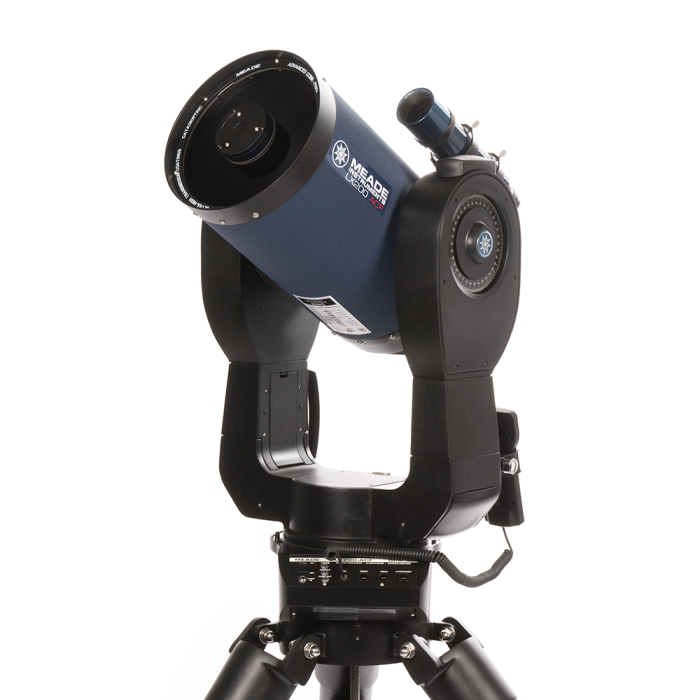

Buying Guide: Choosing the Right 8-Inch Schmidt-Cassegrain Telescope
If you’re an intermediate astronomy enthusiast looking to invest in an 8-inch Schmidt-Cassegrain telescope (SCT), you’ve likely encountered several options promising a balance of aperture, portability, and astrophotography capability. This guide focuses on helping you navigate those tradeoffs using the Meade LX200 8″ as an anchor model. While it’s a classic choice known for solid optical performance and reliable GoTo mount features, understanding where it shines and where it falls short will help you decide if it fits your personal astronomy goals and budget.
What Buyers Should Decide Before Choosing This Product
Before committing to the Meade LX200 8″ or any similar 8-inch SCT, it’s crucial to clarify your primary use cases and priorities. Ask yourself:
- What type of observing do I want to focus on? Are you mainly interested in planetary and lunar viewing, deep-sky objects, or astrophotography?
- How important is portability? Will you be transporting your telescope frequently, or is it mostly staying at a fixed location like a backyard observatory?
- What is my budget and how much value do I expect for the price? Are you looking for a new purchase or open to a used/refurbished telescope?
- How much setup complexity am I willing to handle? Do you prefer a plug-and-play experience, or are you comfortable with additional accessories and modifications?
The Meade LX200 8″ typically appeals to users who want a robust visual observing experience and have some interest in entry-level astrophotography, but who don’t need ultra-portability or the latest electronics. Your answers to these questions will help frame whether this model is a good starting point or if another telescope type or brand might better suit your needs.
Key Decision Factors
1. Price and Value
The Meade LX200 8″ usually sells in the $400–$1,200 range on the used market. This pricing offers strong value for an 8-inch SCT with advanced coma-free optics and an included GoTo mount. However, buyers must weigh the cost savings against the potential need for maintenance or upgrades due to its older design. For those seeking a balance between performance and budget, it presents a solid entry point without the premium price tag of newer models.
2. Optical and Mount Performance
The telescope’s Advanced Coma-Free (ACF) optics provide high-contrast, sharp images well-suited for planetary and lunar observation. The 8-inch aperture strikes a solid middle ground, offering enough light-gathering power to resolve many deep-sky objects while maintaining manageable size for a serious amateur. The dual fork arm GoTo mount included with the LX200 enhances tracking precision, critical for longer viewing sessions and beginner astrophotography.
However, the mount’s stability comes at the cost of weight and bulk. This telescope isn’t designed for quick setup or travel-friendly portability, which could be a limiting factor for those wanting a lightweight rig.
3. Ease of Use and Setup
While the GoTo system simplifies locating celestial objects, the LX200’s setup process is more involved than some modern integrated fork mounts. Beginners may face a learning curve aligning the mount and managing the included accessories such as eyepieces and optional color filters. Additionally, the telescope’s weight and size require a sturdy tripod and some physical effort to transport and assemble.
Users comfortable with incremental setup steps will appreciate the telescope’s capabilities, but those seeking minimal fuss may prefer more compact or fully integrated systems.
4. Portability vs. Stability Tradeoff
The Meade LX200 8″ is on the heavier end of the SCT spectrum, which provides excellent mount stability and tracking accuracy but reduces portability. If you plan to observe mostly from a fixed location, this tradeoff favors better image steadiness and astrophotography potential. Conversely, if you want a telescope that travels easily to dark sky sites or fits in a compact car setup, the LX200 may feel cumbersome compared to smaller Maksutov-Cassegrain or newer, more portable SCTs.
5. Astrophotography Capability
This model offers a good starting point for beginner astrophotographers, especially planetary imaging and short-exposure deep-sky photography. The precise GoTo mount aids tracking, but serious imaging enthusiasts might find the LX200 limited by its older electronics and less specialized mount design compared to modern astrophotography-focused setups.
If deep-sky astrophotography is a top priority, consider whether you are willing to invest in additional equipment like guiding systems, cameras, and mount upgrades.
6. Availability and Support
The Meade LX200 8″ is primarily found on the used or refurbished market, which means new units are rare and official support may be limited. This factor is important if you want warranty coverage or easy access to replacement parts. Buyers comfortable with DIY maintenance or sourcing parts independently will find good value, but those expecting comprehensive manufacturer support might prefer newer models still in production.
Where the Meade LX200 8″ Fits Well
The Meade LX200 8″ excels in scenarios where optical quality and stable tracking matter more than portability. It is ideal for:
- Backyard and home observatory setups: Its size and weight are manageable when the telescope stays mostly in one location.
- Planetary and lunar observers: The Advanced Coma-Free optics deliver crisp, high-contrast views of bright targets.
- Intermediate buyers stepping into astrophotography: The included GoTo mount and solid optics provide a strong foundation for entry-level imaging projects.
- Value-conscious buyers: The used market pricing offers access to high-quality SCT optics and features at a fraction of new model costs.
Additionally, the telescope’s accessory bundle — often including eyepieces, a tripod, and sometimes color filters and a hard case — increases out-of-the-box readiness for various observing styles.
Where It Is the Wrong Fit
The LX200 8″ is less suitable if you prioritize:
- Portability and travel: Its weight and bulk make it cumbersome for frequent transport or quick setup at remote locations.
- Cutting-edge astrophotography: Advanced imagers seeking deep-sky precision may find the mount and electronics limiting without significant modifications.
- New product warranty and support: Since new units are rare, buyers relying on manufacturer support should consider currently produced models.
- Minimal setup complexity: Beginners wanting a straightforward, plug-and-play experience might prefer telescopes with integrated mounts and streamlined software.
For those emphasizing ultra-portability or advanced imaging, alternative options such as compact Maksutov-Cassegrain designs or newer SCTs with integrated fork mounts may offer a better balance.
What Kind of Buyer Should Choose the Meade LX200 8″
This telescope is best suited for buyers who:
- Have some experience with telescopes and want to deepen their visual astronomy skills, particularly planetary and lunar observation.
- Are interested in beginning astrophotography but understand the need for additional equipment and setup time.
- Prefer a solid, proven optical design and are comfortable handling a heavier, less portable instrument.
- Seek strong value on the used market rather than paying premium prices for new models.
- Plan to observe primarily from a fixed or semi-permanent location where stability and image quality outweigh portability concerns.
In contrast, novice users seeking a lightweight, easy-to-transport, and fully supported telescope might benefit more from competing models like the Celestron CPC 800 or compact Maksutov-Cassegrain telescopes.
Final Buying Advice
The Meade LX200 8″ remains a compelling option for intermediate buyers aiming to balance optical performance, mount stability, and budget. Its Advanced Coma-Free optics and computerized GoTo mount provide a rewarding visual experience and open the door to beginner astrophotography with some additional investment.
However, buyers should carefully consider the tradeoffs related to portability and the availability of new units. If you plan to transport your telescope regularly or want the latest electronics and manufacturer support, newer models with integrated fork mounts might be more convenient despite higher prices.
For backyard astronomers focused on planetary, lunar, and casual deep-sky observing with occasional imaging, the LX200 8″ offers strong value, especially when sourced used with included accessories like eyepieces and a tripod. Expect some learning curve and potential maintenance, but you’ll gain a capable instrument that rewards patience and care.
Ultimately, your choice should reflect your observing style, astrophotography ambitions, and how much you value portability versus stable, high-quality viewing. The Meade LX200 8″ is a solid anchor point in this decision, representing a classic SCT experience with clear strengths and manageable compromises.
More Shopping Guide Articles
- Meade LX200 8" Review: Classic 8-Inch SCT for Visual Astronomy
- Meade LX200 8" vs Celestron CPC 800: Which 8-Inch SCT is Best for You?
- Meade LX200 8" vs Sky-Watcher Skymax 8" Maksutov-Cassegrain: Optical Design and Portability Showdown
- Alternatives to Meade LX200 8": Exploring Refurbished Models and Adjacent Options