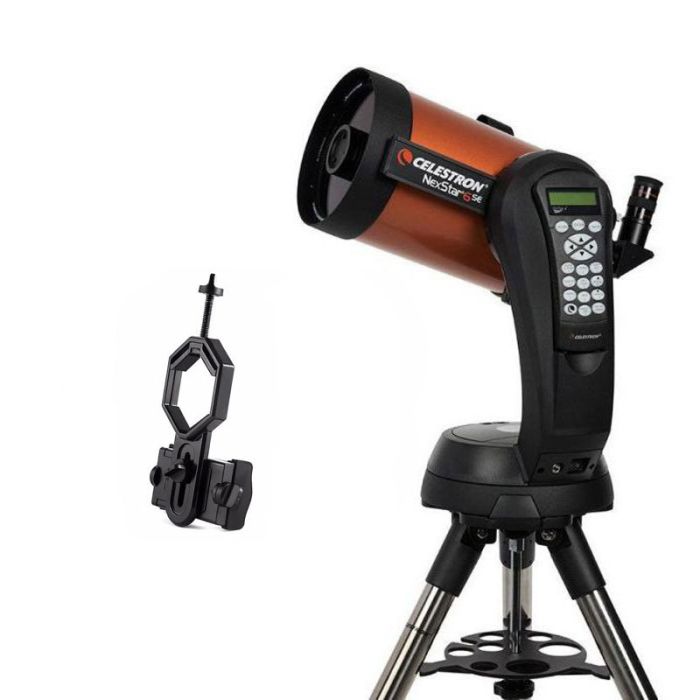

Buying Guide: How to Choose the Right Computerized Telescope Like the NexStar 6SE
Choosing your first computerized telescope is an exciting step toward exploring the night sky, but the options can feel overwhelming. The Celestron NexStar 6SE offers a practical example to help you understand what to look for and how to balance key factors. This guide will walk you through the essential considerations, tradeoffs, and use cases so you can decide if a telescope like the NexStar 6SE fits your needs or if another approach might suit you better.
What Buyers Should Decide Before Choosing a Computerized Telescope Like the NexStar 6SE
Before investing in a computerized telescope, reflect on your expectations and priorities. Are you primarily interested in casual stargazing from your backyard, or do you want to dive into astrophotography? How important is portability if you plan to travel with your telescope? Your answers will shape which features and compromises you should prioritize.
The NexStar 6SE, priced around $400-$650, positions itself as a beginner-friendly, mid-range computerized telescope. It balances automation with solid optics, making it a good fit for new users wanting to explore planets, the Moon, and brighter deep-sky objects without a steep learning curve. However, its moderate portability and alt-azimuth mount design mean it may not satisfy users who want ultra-compact gear or advanced astrophotography capabilities.
Key decisions to clarify upfront include:
- Usage environment: Will you observe mostly from home, or do you need a travel-friendly setup?
- Interest focus: Are you aiming for visual observation, beginner astrophotography, or more specialized imaging?
- Budget constraints: What balance between price and features feels right for your situation?
- Willingness to learn: How much time do you want to spend mastering setup and operation?
Key Decision Factors When Evaluating the NexStar 6SE and Similar Telescopes
When comparing computerized telescopes, some factors weigh more heavily than others. The NexStar 6SE highlights the importance of balancing these elements rather than chasing isolated specs.
Ease of Use and Automation
The NexStar 6SE shines with its computerized GoTo mount and Celestron’s SkyAlign technology, which simplifies finding and tracking over 40,000 celestial objects. This is a crucial benefit for beginners who want to spend more time observing and less time star-hopping manually. However, the alt-azimuth mount, while intuitive, has limitations for long-exposure astrophotography because it cannot compensate for Earth’s rotation as equatorial mounts do.
Price and Value
At roughly $400-$650, the NexStar 6SE offers strong value by integrating quality optics with automated tracking. This price bracket suits buyers who want a capable telescope without the complexity or cost of advanced astrophotography setups. Remember, you’ll often pay more for premium mount stability or larger apertures, so consider whether those upgrades align with your goals.
Performance and Optical Design
The NexStar 6SE uses a Schmidt-Cassegrain design with a 6-inch aperture and special coatings to deliver crisp, high-contrast views of planets and the Moon. While this aperture size is versatile, it’s smaller than many Dobsonian telescopes that offer larger apertures for deep-sky viewing at similar or lower prices.
Optical design influences not only image quality but also size and weight. Schmidt-Cassegrain models like the 6SE balance compactness with capability, but Maksutov-Cassegrain alternatives may offer sharper planetary views in a smaller package, though often with smaller apertures.
Portability and Setup Time
With a total weight under 30 pounds, the NexStar 6SE is moderately portable. It’s manageable for occasional transport but not ideal if you prioritize lightweight, ultra-compact gear for frequent travel. Its setup is streamlined by the computerized mount and SkyAlign, making it accessible for beginners without a long setup routine.
Use Case Fit
This telescope fits best for casual astronomy, planetary and lunar observation, and entry-level astrophotography. Its computerized features reduce the learning curve, allowing new users to quickly locate celestial objects. However, deep-sky astrophotography or extensive travel use may require different equipment choices.
Where the NexStar 6SE Fits Well
The NexStar 6SE is well suited for beginners and intermediate users seeking an automated telescope that balances performance and ease of use. It’s especially effective for:
- Home and backyard astronomy: Its moderate size and automated tracking make it convenient for regular use without complicated setup.
- Planetary and lunar observation: The 6-inch aperture and XLT coatings produce bright, detailed views of planets like Jupiter and Saturn, as well as the Moon’s surface.
- Beginner astrophotography: Compatible with camera mounts and accessories, it supports planetary and lunar imaging, though with limitations for deep-sky photography.
- Users valuing a comprehensive celestial database: The included GoTo system offers access to over 40,000 objects, greatly expanding observing options without requiring star chart expertise.
Additionally, the NexStar 6SE benefits from strong community support and accessory compatibility, making it easier to upgrade or customize as your skills grow.
Where the NexStar 6SE Is the Wrong Fit
Despite its strengths, the NexStar 6SE has tradeoffs that may make it less suitable for certain buyers:
- Travel-first buyers: Its moderate portability and setup weight make it less ideal for frequent transport or hiking to remote sites.
- Deep-sky astrophotographers: The alt-azimuth mount restricts long-exposure imaging, and the 6-inch aperture limits deep-sky light gathering compared to specialized setups.
- Users wanting larger apertures for visual observation: Manual Dobsonian telescopes offer bigger mirrors for brighter images at comparable or lower prices but lack computerized tracking.
- Those seeking premium mount stability: Higher-end models like the Celestron NexStar Evolution series provide improved vibration resistance and tracking accuracy but come at a higher price and weight.
Understanding these limitations helps avoid frustration and ensures your chosen telescope aligns realistically with your astronomy interests and lifestyle.
What Kind of Buyer Should Choose the NexStar 6SE
The NexStar 6SE targets buyers who want a straightforward, automated telescope experience with good optical performance at a mid-range price. Ideal candidates include:
- New astronomy enthusiasts: Those who want to quickly identify celestial objects without complex manual alignment.
- Value-conscious buyers: People looking for a telescope that combines automation, optics, and moderate portability without breaking the bank.
- Home observers: Users who plan to observe mostly from a fixed location with occasional transport to darker skies.
- Beginner astrophotographers: Hobbyists interested in planetary or lunar imaging with room to grow into astrophotography accessories.
On the other hand, if you prioritize compact travel gear, deep-sky imaging, or maximum aperture for visual use, you may want to explore other designs or mounts that better fit those needs.
Final Buying Advice
When selecting a computerized telescope like the Celestron NexStar 6SE, focus on how the product’s strengths and tradeoffs align with your personal astronomy goals and lifestyle. Its computerized GoTo mount and SkyAlign system ease the learning curve, making it accessible for beginners who want practical results quickly.
However, be mindful of its moderate portability and alt-azimuth mount limitations, which constrain deep-sky astrophotography and frequent travel convenience. If your budget allows and you seek more stable mounts or higher aperture, consider whether those upgrades justify the extra cost and complexity.
In practical terms:
- Choose the NexStar 6SE if you want a reliable, mid-priced telescope for backyard observing and beginner astrophotography with minimal fuss.
- Consider manual Dobsonian telescopes if your priority is maximum aperture and visual deep-sky observation on a budget and you don’t mind manual operation.
- Look toward premium models or specialized astrophotography setups if you want advanced imaging capabilities or improved mount stability and are ready for a steeper learning curve and higher investment.
Ultimately, the best computerized telescope balances ease of use, optical performance, and portability in a way that fits your unique interests. The NexStar 6SE offers a solid foundation for many beginners and hobbyists, making it a worthwhile option to explore in your search for the perfect stargazing companion.
More Shopping Guide Articles
- Celestron NexStar 6SE Review: Best Mid-Range Computerized Telescope for Beginners
- Celestron NexStar 6SE vs Meade ETX Series: Which Computerized Telescope Wins?
- Celestron NexStar 6SE vs Sky-Watcher Maksutov-Cassegrain: Portability and Optics Compared
- Top 5 Alternatives to Celestron NexStar 6SE: Dobsonian and Astrophotography Setups Compared