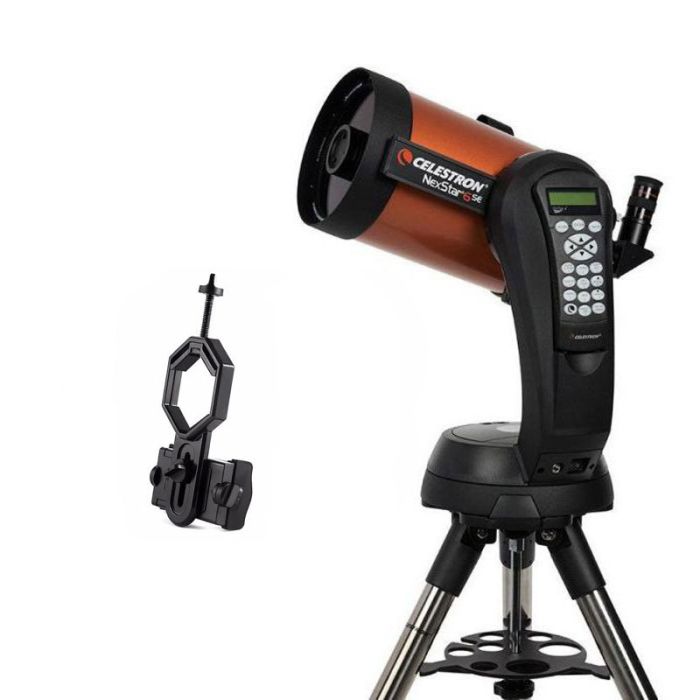

Celestron NexStar 6SE vs Sky-Watcher Maksutov-Cassegrain: Portability and Optics Compared
Choosing between computerized telescopes can be challenging when multiple options offer similar automation but differ in optical design and handling. For intermediate users prioritizing portability without sacrificing image quality, the choice often narrows to the popular Celestron NexStar 6SE Schmidt-Cassegrain and the lineup of Sky-Watcher Maksutov-Cassegrain computerized telescopes. Both provide GoTo functionality and compact form factors, but their optical and mount characteristics lead to distinct user experiences.
This comparison breaks down key decision factors such as optical sharpness, portability, mount quality, and price to help you decide which telescope suits your observing style and setup preferences best.
Quick Verdict
The Celestron NexStar 6SE offers a balanced package of moderate portability, solid 6-inch aperture optics enhanced with Celestron’s XLT coatings, and a reliable alt-azimuth GoTo mount ideal for backyard use and beginner-friendly astrophotography. It excels for users who want an intuitive, automated system with a versatile aperture size capable of pleasing planetary views and some deep-sky objects.
In contrast, Sky-Watcher Maksutov-Cassegrain computerized telescopes emphasize compactness and optical sharpness through their Maksutov design, often resulting in smaller apertures but crisper planetary and lunar detail. These telescopes are better suited for users who prioritize portability for travel or quick setup and highly detailed views of bright objects, though their smaller apertures limit light-gathering for deep-sky targets.
Ultimately, if you want a larger aperture and more versatile astrophotography potential with a familiar computerized interface, the NexStar 6SE is preferable. For travelers or observers who prize ultimate optical sharpness in a compact package and mostly focus on brighter targets, the Sky-Watcher Maksutov-Cassegrain models are a worthy alternative.
Key Differences at a Glance
- Optical Design: NexStar 6SE uses Schmidt-Cassegrain optics with a 6-inch aperture; Sky-Watcher Maksutov models rely on Maksutov-Cassegrain design, generally with smaller apertures.
- Portability: Sky-Watcher Maksutov-Cassegrains are typically more compact and lighter, enhancing travel convenience.
- Mount Quality: NexStar 6SE features Celestron’s reliable alt-azimuth GoTo mount with proven stability; Sky-Watcher mounts vary but often emphasize lightweight portability over heavy-duty stability.
- Price Range: NexStar 6SE typically priced around $400-$650; Sky-Watcher Maksutov-Cassegrains may vary but generally comparable or slightly lower depending on model.
- Use Case Fit: NexStar 6SE is versatile for casual astronomy and beginner astrophotography; Sky-Watcher Maksutovs are ideal for users focused primarily on planetary and lunar observing with high sharpness and portability.
Price and Value
When evaluating computerized telescopes, value is not just about the sticker price but what the package delivers in terms of features, optics, and usability. The Celestron NexStar 6SE is typically found in the $400 to $650 range, placing it squarely in the mid-range computerized telescope market. This price includes the optical tube assembly with a 6-inch aperture, a sturdy alt-azimuth GoTo mount, tripod, and Celestron’s SkyAlign technology for straightforward setup. Additionally, the 6SE benefits from Celestron’s extensive accessory ecosystem and strong community support, adding long-term value.
Sky-Watcher Maksutov-Cassegrain computerized telescopes usually come in a similar or slightly lower price bracket, depending on aperture size and mount features. Their more compact optical tubes and lighter mounts can reduce production costs, but this sometimes translates to compromises in aperture and mount robustness. Buyers seeking maximum portability may find the slightly lower price attractive, but should consider if the smaller aperture and mount tradeoffs align with their needs.
Tradeoffs to consider:
- The NexStar 6SE’s larger aperture offers better light gathering and versatility at a modest price premium.
- Sky-Watcher Maksutov models may be more budget-friendly and easier to transport but typically sacrifice aperture size, impacting deep-sky performance.
- Mount quality and reliability, crucial for long observing sessions, tend to be stronger on the NexStar 6SE, adding to its value despite a slightly higher cost.
Performance and Practical Use
Performance hinges largely on optical design and mount capabilities. The NexStar 6SE employs a 6-inch Schmidt-Cassegrain optical system with Celestron’s XLT high-transmission coatings. This results in bright, high-contrast images with good color fidelity, well-suited for observing planets, lunar details, and many brighter deep-sky objects. The larger aperture gathers more light than typical Maksutov-Cassegrain alternatives, giving it an edge in versatility.
Sky-Watcher Maksutov-Cassegrain telescopes use a design known for exceptional optical sharpness and high contrast, especially on bright targets like planets and the Moon. Their long focal ratios produce crisp, detailed images with minimal chromatic aberration. However, the Maksutov’s smaller apertures (often 4 to 5 inches) limit light-gathering ability, which affects the brightness and resolution of faint deep-sky objects.
On mount performance, the NexStar 6SE’s alt-azimuth GoTo mount is praised for stable tracking and smooth slewing across the sky, enabling easy automated object location and follow-through during observation or casual astrophotography. Sky-Watcher Maksutov mounts, while computerized, often focus on lightweight portability, which can translate to somewhat less stability during windy conditions or longer viewing sessions.
Practical implications:
- Choose NexStar 6SE if you want a broader range of objects visible with solid image brightness and contrast.
- Pick Sky-Watcher Maksutov if your main interest is highly detailed planetary and lunar views with a telescope you can quickly transport and set up.
- If astrophotography is a goal, NexStar 6SE’s mount and aperture provide a better foundation, though both are limited compared to dedicated astro setups.
Ease of Setup / Ease of Use
Both telescopes provide computerized GoTo mounts with databases of thousands of celestial objects, simplifying locating and tracking for users with varying experience levels. The NexStar 6SE benefits from Celestron’s SkyAlign technology, a straightforward 3-step alignment process that doesn’t require prior sky knowledge. Users often report intuitive hand controller menus and responsive mount slewing, resulting in a short learning curve.
Sky-Watcher Maksutov-Cassegrain computerized models also offer user-friendly GoTo systems, though alignment processes and controller interfaces can vary by model. Their reduced weight and compact size make physical setup quicker and less strenuous, a definite advantage for users who prioritize rapid deployment or frequent transport. However, some users may find the smaller mounts less forgiving when fine-tuning tracking or during windy conditions.
Ease of use tradeoffs:
- NexStar 6SE offers a more stable platform that enhances tracking accuracy during longer observing sessions, beneficial for beginners progressing to astrophotography.
- Sky-Watcher Maksutov’s smaller size reduces setup time and effort, favored by users who want grab-and-go convenience over extended stability.
- Both systems require some initial familiarization with computerized controls, but neither is notably complex for intermediate users.
Accessories / Feature Completeness
The NexStar 6SE package generally includes the optical tube assembly, a sturdy alt-azimuth GoTo mount, tripod, and a hand controller with access to over 40,000 celestial objects. Its design supports a range of accessories such as sun protection covers, camera mounts, and additional lenses, making it a versatile platform for casual astrophotography and visual observation. The Celestron community and third-party ecosystem also provide extensive accessory options, enhancing long-term adaptability.
Sky-Watcher Maksutov-Cassegrain computerized telescopes usually come with the essential components for immediate use, including the optical tube, computerized mount, tripod, and hand controller. However, accessory ecosystems tend to be less extensive compared to Celestron’s, which may limit upgrade paths or specialized astrophotography add-ons. The Maksutov’s design inherently restricts some modifications due to its sealed optical system.
Considerations on completeness:
- NexStar 6SE’s broader accessory compatibility supports growth into astrophotography and specialized observing with added equipment.
- Sky-Watcher Maksutov models offer a more streamlined package focused on portability and optical sharpness but with fewer expansion options.
- Both telescopes include GoTo technology, but Celestron’s software and firmware updates are generally more frequent and widely supported.
Which Buyer Should Choose Which Option?
Choose Celestron NexStar 6SE if you:
- Want a versatile mid-sized aperture (6 inches) that balances planetary, lunar, and brighter deep-sky observations.
- Value a stable, proven alt-azimuth GoTo mount with reliable tracking for casual astrophotography and extended viewing sessions.
- Plan to use the telescope primarily from home or backyard where moderate portability suffices.
- Appreciate access to a wide range of accessories and a strong user community for support and upgrades.
- Are a beginner or intermediate user seeking a straightforward computerized telescope with future growth potential.
Choose Sky-Watcher Maksutov-Cassegrain computerized telescopes if you:
- Prioritize portability and a compact, lightweight setup for frequent transport or travel.
- Focus mainly on high-contrast, sharp views of planets and the Moon rather than deep-sky objects.
- Prefer a sealed optical design that typically requires less maintenance and collimation.
- Celestron NexStar 6SE Review: Best Mid-Range Computerized Telescope for Beginners
- Buying Guide: How to Choose the Right Computerized Telescope Like the NexStar 6SE
- Celestron NexStar 6SE vs Meade ETX Series: Which Computerized Telescope Wins?
- Top 5 Alternatives to Celestron NexStar 6SE: Dobsonian and Astrophotography Setups Compared
<li