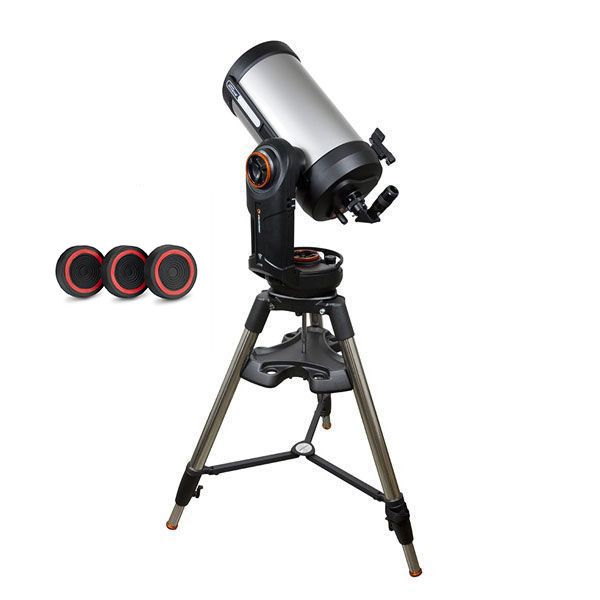

Top 5 Alternatives to Celestron NexStar Evolution 9.25 for Intermediate Astronomers
For intermediate astronomers exploring computerized telescopes, the Celestron NexStar Evolution 9.25 is often a go-to choice. It offers a robust 9.25-inch aperture paired with smart features like integrated Wi-Fi and a rechargeable battery, making it a versatile option for visual astronomy and casual astrophotography. However, depending on your preferences for portability, imaging goals, budget, and observing style, other telescopes may align better with your needs. This article breaks down when the NexStar Evolution 9.25 fits well, when it might not, and presents practical alternatives organized by key use cases and buyer priorities.
Why Buyers Consider the Celestron NexStar Evolution 9.25
Many intermediate astronomers gravitate toward the NexStar Evolution 9.25 because it strikes a practical balance between aperture size, ease of use, and modern computerized features. Its 9.25-inch Schmidt-Cassegrain optical tube gathers ample light for detailed planetary views and bright deep-sky objects, while its built-in lithium-iron phosphate battery and integrated Wi-Fi enable cable-free control through smartphone apps like SkySafari. The GoTo computerized mount automates object locating, reducing setup time and enhancing observing sessions.
Buyers who value a single instrument capable of both visual observation and casual astrophotography appreciate this model’s versatility. It offers a step up in aperture from smaller computerized SCTs without becoming overly bulky or complicated. The moderate weight and size make it manageable for solo transport and backyard use. Additionally, the Evolution series’ reputation for solid construction and reliable tracking adds confidence for users ready to deepen their engagement with astronomy.
When the NexStar Evolution 9.25 May Not Be the Right Fit
Despite its many strengths, the NexStar Evolution 9.25 is not ideal for everyone. Its alt-azimuth mount and f/10 focal ratio limit long-exposure astrophotography capabilities, especially for deep-sky imaging requiring precise tracking and field flatness. Serious astrophotographers often find its optical design and mount insufficient for advanced imaging goals.
Portability is another consideration. While manageable for one person, the telescope is heavier and bulkier than smaller SCTs or compact smart telescopes, making it less suited for frequent travel or quick setup in varied locations. Users seeking ultra-lightweight or highly compact scopes may find the size and storage demands challenging.
Additionally, traditional visual observers who prefer large aperture and simple operation might find value in alternative reflector designs like Dobsonians, which offer more aperture for the price and straightforward use at the cost of computerized automation and portability.
Better Alternatives for Different Scenarios
1. For App-Controlled Imaging and Ease of Use: Smart Telescopes
If your priority is effortless astrophotography with minimal setup and smartphone control, consider smart telescopes like the Celestron Origin Smart Telescope and the ZWO Seestar Smart Telescope. These devices forego traditional eyepieces, focusing instead on automated image capture and sharing via intuitive apps.
- Celestron Origin Smart Telescope: Compact, lightweight, and designed for instant use, it appeals to beginners and casual users wanting to capture astrophotos without manual alignment. The integrated app guides you through targeting and imaging, making it a low-barrier entry point.
- ZWO Seestar Smart Telescope: Similar in concept, the Seestar offers app-controlled imaging with emphasis on portability and cloud data management, ideal for users focused on astrophotography over visual observation.
Tradeoffs: These smart scopes lack traditional eyepiece views, limiting hands-on visual astronomy. Their smaller apertures reduce light-gathering power compared to the NexStar Evolution 9.25, and they are less versatile for manual control or advanced imaging setups.
2. For Large Aperture Visual Observing: Manual Dobsonian Telescopes
Intermediate astronomers who prioritize raw aperture and visual performance often turn to manual Dobsonian reflectors. These telescopes offer the most light gathering capacity for the price and are straightforward to operate, making them favorites for deep-sky viewing.
- Manual Dobsonians: Models with apertures from 10 to 12 inches or more deliver brighter, more detailed views of faint galaxies and nebulae than the 9.25-inch SCT. Their simple alt-azimuth mounts require manual pointing but provide stable platforms for extended observing sessions.
Tradeoffs: Manual Dobsonians lack computerized GoTo systems, so users must learn star hopping or use apps for object location. They are bulkier and heavier, reducing portability and convenience. Field rotation during tracking limits astrophotography potential on these mounts.
3. For Enhanced Astrophotography and Optical Quality: Other Evolution Series and Adjacent SCTs
Within the same Evolution series, alternative models offer specialized advantages:
- Celestron NexStar Evolution 8 EdgeHD: Featuring EdgeHD optics optimized for flat, coma-free fields, this 8-inch SCT is better suited for serious astrophotography, especially with large imaging sensors. It maintains the Evolution series’ computerized features but sacrifices some aperture for improved optical quality.
- Celestron NexStar Evolution 11 (C11): With a larger 11-inch aperture, this model gathers significantly more light, enhancing both visual and imaging performance. However, it is heavier and less portable, demanding stronger mounts and more setup effort.
- EdgeHD 8 on Sky-Watcher EQ6-R Mount: For advanced users seeking equatorial mounts for long-exposure astrophotography, pairing the EdgeHD 8 optical tube with a stable EQ mount provides superior tracking and imaging precision than alt-azimuth Evolution models.
Tradeoffs: These options typically come with higher price points and increased complexity. Portability decreases as aperture increases, and equatorial setups require more user knowledge and setup time. Users must balance imaging ambitions against convenience and budget.
Best Choice by Buyer Type
Intermediate Visual Observers Seeking Convenience and Versatility
The Celestron NexStar Evolution 9.25 remains a strong candidate. It offers a large aperture, computerized GoTo convenience, and integrated power for backyard use and casual imaging. Its balance of features suits users wanting a “do-it-all” telescope without venturing into complex astrophotography gear.
Astrophotographers Focused on Imaging Quality and Control
The NexStar Evolution 8 EdgeHD or an EdgeHD 8 optical tube paired with an equatorial mount like the Sky-Watcher EQ6-R deliver better optical correction and tracking stability. These setups require more investment and learning but yield superior imaging results, especially for deep-sky targets.
Observers Prioritizing Aperture and Value for Visual Deep-Sky Viewing
Manual Dobsonian telescopes with large apertures (10 inches or more) provide the brightest views at a lower cost. The Orion SkyQuest XT10g GoTo Dobsonian adds computerized object location, blending aperture with some automation. These are ideal for users who prioritize raw performance over portability and astrophotography.
Casual Users and Beginners Focused on Astrophotography and Portability
Smart telescopes like the Celestron Origin Smart Telescope offer minimal setup, app-based control, and instant imaging. They are excellent for those who want to skip manual alignment and traditional eyepiece use, accepting smaller apertures and limited versatility in exchange for convenience.
Final Recommendation
The Celestron NexStar Evolution 9.25 offers a well-rounded package for intermediate astronomers seeking a computerized telescope that supports both visual observing and casual astrophotography. Its 9.25-inch aperture, integrated Wi-Fi control, and long-lasting battery make it a capable and manageable instrument for backyard astronomy and occasional travel.
However, your best choice depends heavily on your priorities:
- If you want enhanced imaging capabilities with flatter optical fields and plan to engage in more serious astrophotography, consider the NexStar Evolution 8 EdgeHD or pairing an EdgeHD optical tube with an equatorial mount.
- For maximum aperture and visual light gathering at a better price point, a manual Dobsonian or the computerized Orion SkyQuest XT10g delivers larger apertures and excellent value, though at the expense of portability and astrophotography potential.
- For users prioritizing ease of use, portability, and integrated app-controlled imaging over traditional viewing, smart telescopes like the Celestron Origin Smart Telescope provide a compelling alternative.
Ultimately, selecting the right telescope involves weighing tradeoffs between aperture, portability, ease of use, and imaging goals. The NexStar Evolution 9.25 fits well for those seeking a versatile, feature-rich scope with a manageable footprint. For others, the alternatives outlined here may better match your observing style and aspirations.
More Shopping Guide Articles
- Celestron NexStar Evolution 9.25 Review: Balanced SCT for Visual and Casual Imaging
- Buying Guide: How to Choose the Right Computerized Telescope for Intermediate Astronomers
- Celestron NexStar Evolution 9.25 vs 8 EdgeHD: Which SCT Fits Your Astrophotography Needs?
- Celestron NexStar Evolution 9.25 vs Orion SkyQuest XT10g: GoTo SCT or Dobsonian for Visual Observing?