
Buying Guide: How to Choose the Right Computerized Telescope for Intermediate Astronomers
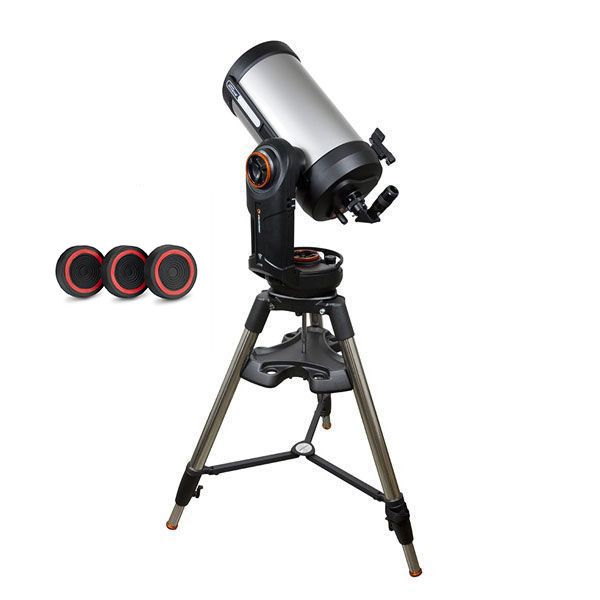
Upgrading from a beginner or manual telescope to a computerized model marks an exciting step in your astronomy journey. Among computerized telescopes, the Celestron NexStar Evolution 9.25 stands out as a popular choice for intermediate users, offering a blend of aperture size, automated features, and portability. However, selecting the right telescope means weighing several key factors beyond just brand and specs. This guide will walk you through the critical decisions to make before purchasing, focusing on practical tradeoffs such as aperture versus portability, mount type, astrophotography capabilities, and ease of use. By anchoring the discussion around the NexStar Evolution 9.25, you’ll gain a clearer framework to evaluate if this model fits your specific needs or if a different approach suits you better.
What Buyers Should Decide Before Choosing a Computerized Telescope
Before committing to a computerized telescope like the NexStar Evolution 9.25, it’s essential to clarify your priorities and intended use. Ask yourself:
- What type of observing do I want to focus on? Are you primarily interested in visual astronomy—such as planetary viewing and casual deep-sky exploration—or do you want to dive into astrophotography?
- How important is portability? Will you mostly observe from a fixed backyard location, or do you plan on transporting your telescope to darker skies or events?
- What is my budget? Computerized telescopes vary widely in price, and balancing features with cost is key to maximizing value.
- How comfortable am I with setup and technology? Some computerized scopes offer plug-and-play simplicity, while others require more calibration and familiarity with software.
Understanding your answers to these questions will shape which features and tradeoffs matter most, helping you avoid spending on capabilities you won’t use or missing out on essential ones.
Key Decision Factors When Choosing a Computerized Telescope
Aperture Size Versus Portability
Aperture—the diameter of the telescope’s main lens or mirror—is the primary determinant of light-gathering power and resolution. The NexStar Evolution 9.25 offers a substantial 9.25-inch aperture, providing 1.3 times more light gathering than an 8-inch model. This improvement translates into brighter, clearer views of planets, star clusters, and many deep-sky objects.
However, larger apertures come with increased weight and size. The Evolution 9.25 is relatively heavy and less portable compared to smaller computerized scopes or smart telescopes. It is manageable by one person but can feel cumbersome to transport regularly. If you frequently travel or hike to observing sites, a smaller aperture or a more compact design might better fit your lifestyle.
Mount Type and Its Impact
The NexStar Evolution 9.25 uses an alt-azimuth (alt-az) mount with computerized GoTo capabilities. This mount type moves up/down and left/right, making it intuitive to use and faster to set up compared to equatorial mounts. The integrated GoTo system automatically locates and tracks thousands of celestial objects, controlled via Wi-Fi and compatible apps like SkySafari.
While alt-az mounts excel in ease of use and visual observing, they introduce field rotation during long-exposure astrophotography, limiting serious imaging potential. Equatorial mounts, which align with Earth’s axis, are preferred for deep-sky astrophotography but tend to be heavier, more complex, and pricier.
Computerized Features: GoTo and Wi-Fi Control
The NexStar Evolution 9.25 comes with built-in Wi-Fi and a powerful GoTo mount. This setup allows you to control the telescope wirelessly from a smartphone or tablet, accessing star catalogs, planning sessions, and automating object tracking. This level of automation reduces setup time and learning curve, especially compared to manual scopes.
However, some users may find reliance on apps and Wi-Fi introduces complexity if devices are incompatible or batteries run low. The Evolution series mitigates this with a built-in lithium-iron phosphate battery providing long runtimes, but it’s still wise to consider your tech comfort and backup options.
Assessing Astrophotography Needs Versus Visual Observation
If your goal is primarily visual astronomy—enjoying detailed views of planets, the Moon, and bright deep-sky objects—the NexStar Evolution 9.25 offers ample aperture and reliable tracking for satisfying sessions. Its f/10 focal ratio favors high-contrast planetary detail.
For casual astrophotography, like lunar or planetary imaging using a smartphone or DSLR, this telescope can perform well. However, due to its alt-az mount and focal ratio, it is not ideal for long-exposure deep-sky imaging, which requires precise equatorial tracking and often faster optics.
Battery Life and Setup Complexity
The integrated lithium-iron phosphate battery in the NexStar Evolution 9.25 extends typical observing sessions without needing external power sources. This convenience is valuable for field use and reduces cable clutter.
Setup involves aligning the telescope using bright stars, aided by computerized assistance. While the process is streamlined compared to manual scopes, it still requires some initial learning. Buyers who prioritize instant, no-setup use might consider smart telescopes, but these often sacrifice aperture and traditional eyepiece viewing.
Where the Celestron NexStar Evolution 9.25 Fits Well
This telescope excels in scenarios where balanced performance and usability are key:
- Backyard or home observatory use: Its aperture and tracking features deliver rich visual experiences with manageable setup time.
- Intermediate users upgrading from smaller or manual scopes: Users gain significant aperture and computerized convenience without overwhelming complexity.
- Planetary and bright deep-sky observing: The f/10 ratio and GoTo mount provide crisp views of planets, star clusters, and brighter nebulae.
- Casual astrophotography: Suitable for lunar and planetary imaging, especially with smartphone adapters or dedicated planetary cameras.
- Tech-savvy users comfortable with app control: Integrated Wi-Fi and SkySafari support enhance the experience for those who embrace digital tools.
Its built-in battery and automated tracking make it convenient for extended sessions without external power or complex alignment.
Where the NexStar Evolution 9.25 Is the Wrong Fit
Despite its strengths, this model is less suitable in certain cases:
- Travel-first astronomers: The scope’s weight and bulk make frequent transport to distant dark sites or hiking impractical.
- Serious deep-sky astrophotographers: The alt-az mount and f/10 focal ratio limit long-exposure imaging capabilities; equatorial mounts with faster optics are preferred.
- Buyers prioritizing ultra-compact or lightweight setups: Smaller computerized telescopes or smart scopes offer more portability at the expense of aperture.
- Beginners requiring instant, no-setup use: While easier than manual scopes, the NexStar Evolution series still demands alignment and some operational knowledge.
- Users wanting the absolute best optical correction for astrophotography: EdgeHD models or scopes with advanced optics provide flatter fields and better imaging performance.
What Kind of Buyer Should Choose the NexStar Evolution 9.25
The ideal buyer for the NexStar Evolution 9.25 is an intermediate amateur astronomer who:
- Wants a significant upgrade in aperture from beginner telescopes to enhance visual detail.
- Values computerized GoTo functionality and Wi-Fi control for easier star finding and tracking.
- Prefers a versatile instrument that supports both visual observing and casual astrophotography.
- Is comfortable with moderate setup complexity and some learning curve.
- Plans to mostly observe from home or nearby dark sites rather than extensive travel.
This buyer appreciates the balance of features and is willing to accept the tradeoffs of a heavier mount and alt-azimuth tracking limitations.
Final Buying Advice
When considering the Celestron NexStar Evolution 9.25, weigh the following tradeoffs to decide if it fits your astronomy goals:
- Price versus value: Priced between $2300 and $2800, it delivers strong value for intermediate users seeking substantial aperture and computerized convenience. However, if budget is tighter or portability paramount, smaller or alternative models may offer better cost-to-portability ratios.
- Performance versus portability: Its 9.25-inch aperture outperforms smaller scopes in light-gathering but adds weight and bulk, impacting transport ease. Consider how often and where you will move the telescope.
- Ease of use versus capability: The integrated Wi-Fi and GoTo system simplify locating objects but require some setup and tech comfort. If you prioritize absolute simplicity, smart telescopes or manual scopes may be preferable despite reduced aperture or features.
- Astrophotography ambitions: If you aim for serious long-exposure imaging, look beyond this scope to equatorial mounts and specialized optics. For casual planetary or lunar imaging, it is well suited.
In comparing alternatives, the NexStar Evolution 8 EdgeHD offers better optical correction for imaging but with slightly smaller aperture, while the Orion SkyQuest XT10g Dobsonian provides larger aperture and value for visual observers but sacrifices portability and imaging capability. Smart telescopes like the Celestron Origin prioritize ease of use and instant imaging but lack traditional viewing and aperture size.
Ultimately, the NexStar Evolution 9.25 is a practical, feature-rich option for intermediate astronomers wanting to deepen their visual experience and explore casual astrophotography without overwhelming complexity. Its strengths lie in balancing aperture, computerized control, and use case versatility, making it a solid step up for backyard astronomers ready to engage more deeply with the night sky.
More Shopping Guide Articles
- Celestron NexStar Evolution 9.25 Review: Balanced SCT for Visual and Casual Imaging
- Celestron NexStar Evolution 9.25 vs 8 EdgeHD: Which SCT Fits Your Astrophotography Needs?
- Celestron NexStar Evolution 9.25 vs Orion SkyQuest XT10g: GoTo SCT or Dobsonian for Visual Observing?
- Top 5 Alternatives to Celestron NexStar Evolution 9.25 for Intermediate Astronomers